

Engaging with art has effects that go beyond enjoyment. Attending concerts, theatre performances, galleries, museums, or creating your own artwork provides more than cultural stimulation. Adults who regularly take part in cultural activities have nearly half the risk of developing depression compared with those who rarely or never engage. Art allows people to slow down, reflect, and connect with their emotions. It offers moments of focus, calm, and inspiration, turning everyday life into an opportunity for mental and emotional renewal.
For a long time, art has been framed as an optional pleasure. Something enriching, yes, but ultimately secondary to what we call “real life.” Work, productivity, efficiency, self-control. Creativity is often pushed to the margins, treated as a reward rather than a necessity. Yet mounting evidence suggests this hierarchy is wrong. Art does not sit on top of a healthy life. It runs through it.
People who regularly engage with cultural activities tend to cope better with stress, regulate their emotions more effectively, and show greater psychological resilience. This is not because art distracts us from reality, but because it sharpens our relationship with it. Creative experiences demand attention. They interrupt automatic thinking. They slow time down just enough for reflection to happen.
When people sing, write, paint, read, or immerse themselves in a performance, multiple systems in the brain activate at once. Emotion, memory, movement, and reward all come into play. This coordination matters. It helps explain why creative engagement is associated with lower levels of anxiety and a markedly reduced risk of depression.
Adults who consistently participate in cultural life do not simply report feeling better. Over time, they show stronger emotional balance. In some cases, when creative practices are introduced alongside therapy or medication, improvements appear sooner and last longer. Art does not replace treatment, but it supports it in ways that are difficult to replicate through clinical methods alone.
One reason lies in how creativity interacts with motivation and pleasure. Art stimulates reward pathways in the brain, encouraging the release of dopamine. Unlike quick digital stimulation, this response is sustained and meaningful. It is linked to effort, curiosity, and presence. Art asks something of us, and in return it gives structure to emotion rather than suppressing it.

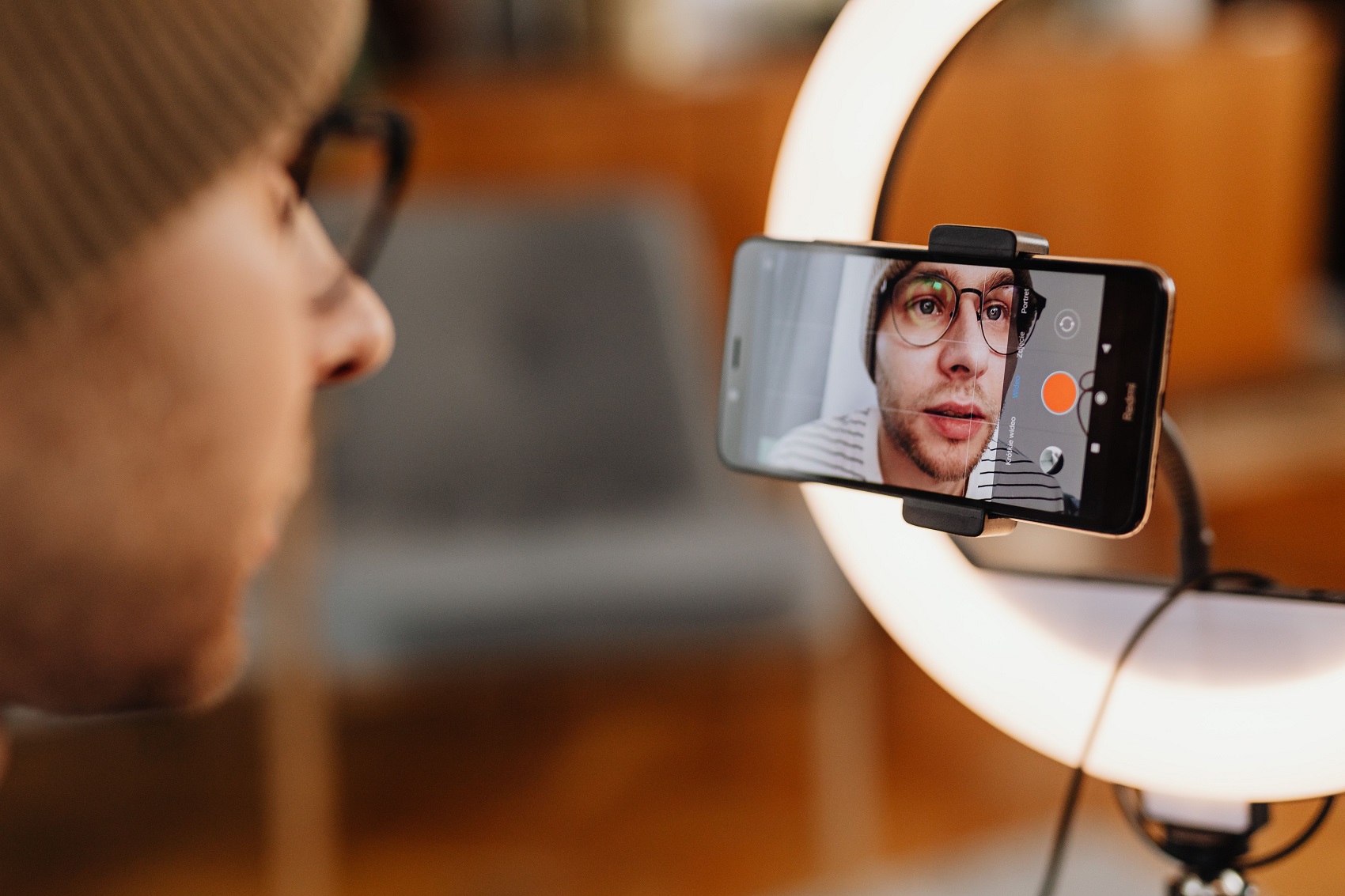
PH: RDNE
The effects of art are not confined to the mind. The body responds, often in subtle but measurable ways. Singing strengthens breathing patterns and lung capacity. Dancing improves balance, coordination, cardiovascular health, and metabolic regulation. Music lowers stress hormones and supports relaxation, even when the listener is still.
Creative engagement has also been linked to improved immune response and reduced inflammation. These changes matter. They influence how the body handles stress, recovers from illness, and maintains long-term resilience. Health, in this sense, is not just about avoiding disease, but about supporting systems that keep the body adaptable.
Art does not work like a workout or a prescription. It works by integrating physical sensation with emotion and meaning. That integration is precisely what many modern lifestyles lack.
One of the most compelling findings around creative engagement concerns ageing. Brain imaging studies suggest that people who regularly practice music or other complex creative skills maintain patterns of neural connectivity associated with younger brains. This does not mean art stops ageing. It means it slows the loss of flexibility.
Cognitive agility, the ability to adapt, learn, and respond creatively, is critical to independence later in life. Art trains this agility quietly and continuously. It keeps different regions of the brain communicating rather than narrowing into rigid patterns. Over time, this supports not just longevity, but quality of life.
Despite its benefits, many adults engage with art far less than they would like. Time is often cited as the reason, but confidence plays an equally strong role. Creativity is frequently framed as something reserved for the talented. This belief discourages participation and turns art into a performance rather than a practice.
The research is clear on this point. Skill level is irrelevant. The benefits come from engagement, not excellence. Curiosity matters more than outcome. Regularity matters more than talent.
If a medical intervention offered the same range of benefits associated with art, improved mental health, stronger physical resilience, cognitive protection, it would be widely prescribed. Yet art remains undervalued precisely because it feels familiar and accessible. Its power is quiet, not dramatic.

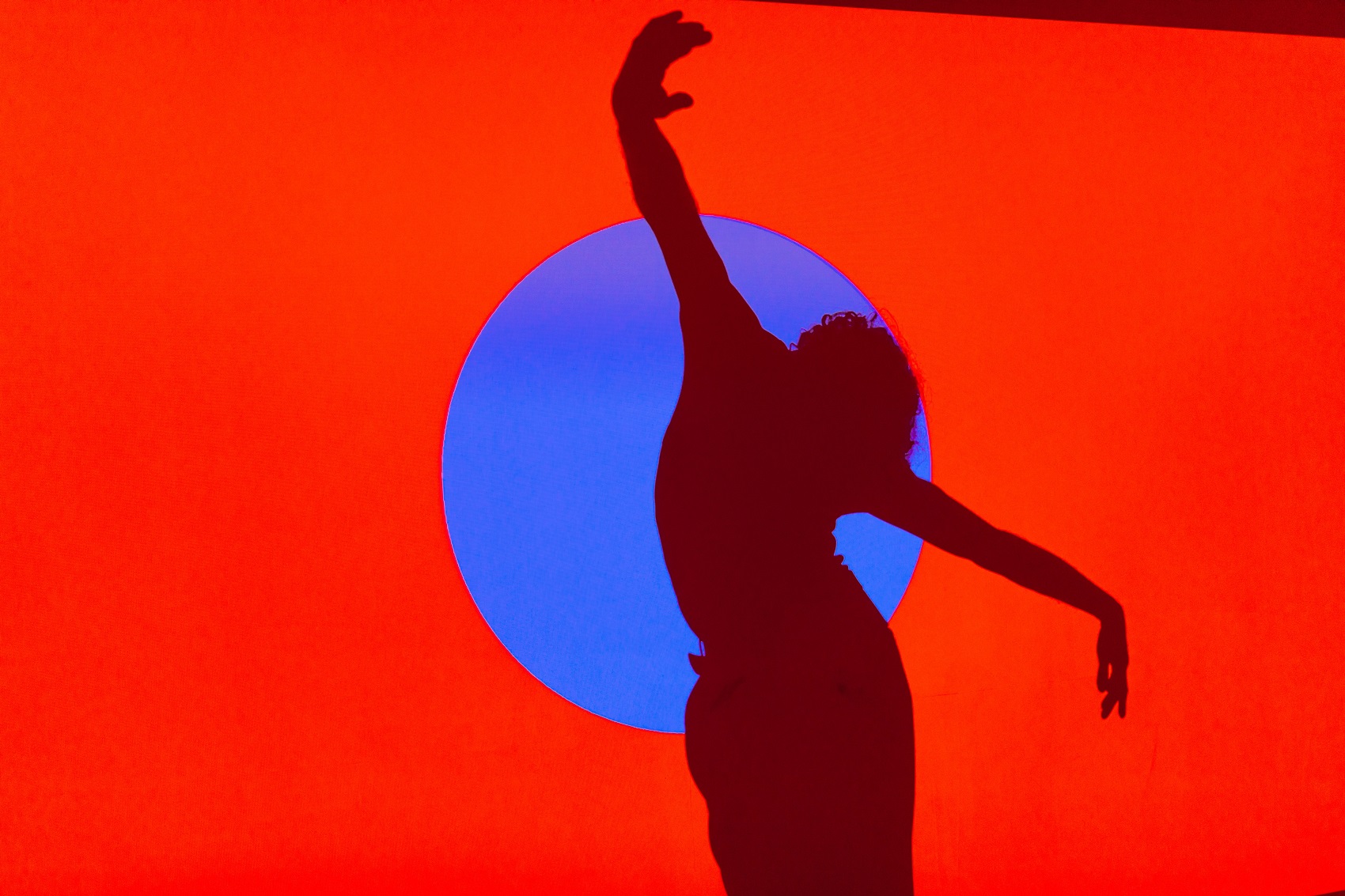
PH: Badun
Integrating art into daily life does not require radical change. It requires permission. Permission to listen instead of scroll. To read instead of rush. To move with rhythm rather than obligation. To look closely and linger.
Art creates pauses in a culture obsessed with acceleration. In those pauses, people reconnect with emotion, sensation, and meaning. That reconnection supports wellbeing in ways that rigid routines often fail to achieve.
Art does not demand productivity or optimisation. It offers something more durable: presence. Over time, that presence reshapes how life feels. Health becomes less about control and more about balance. Fulfilment becomes less abstract and more lived.
In this sense, art is not an accessory to a good life. It is one of its quiet foundations.
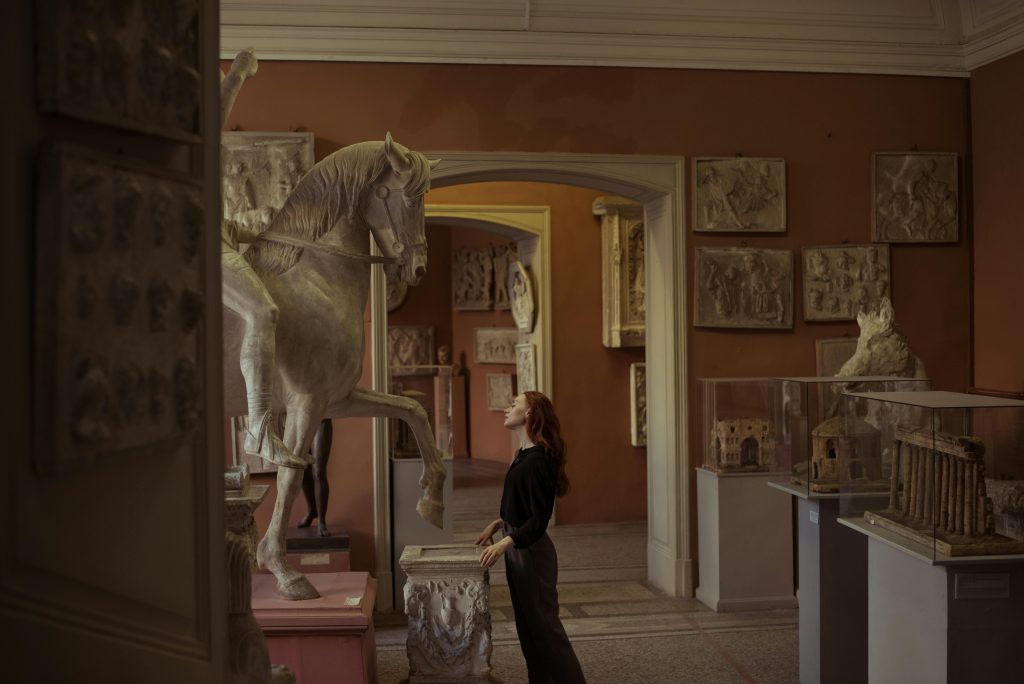
PH: Miracle Killy