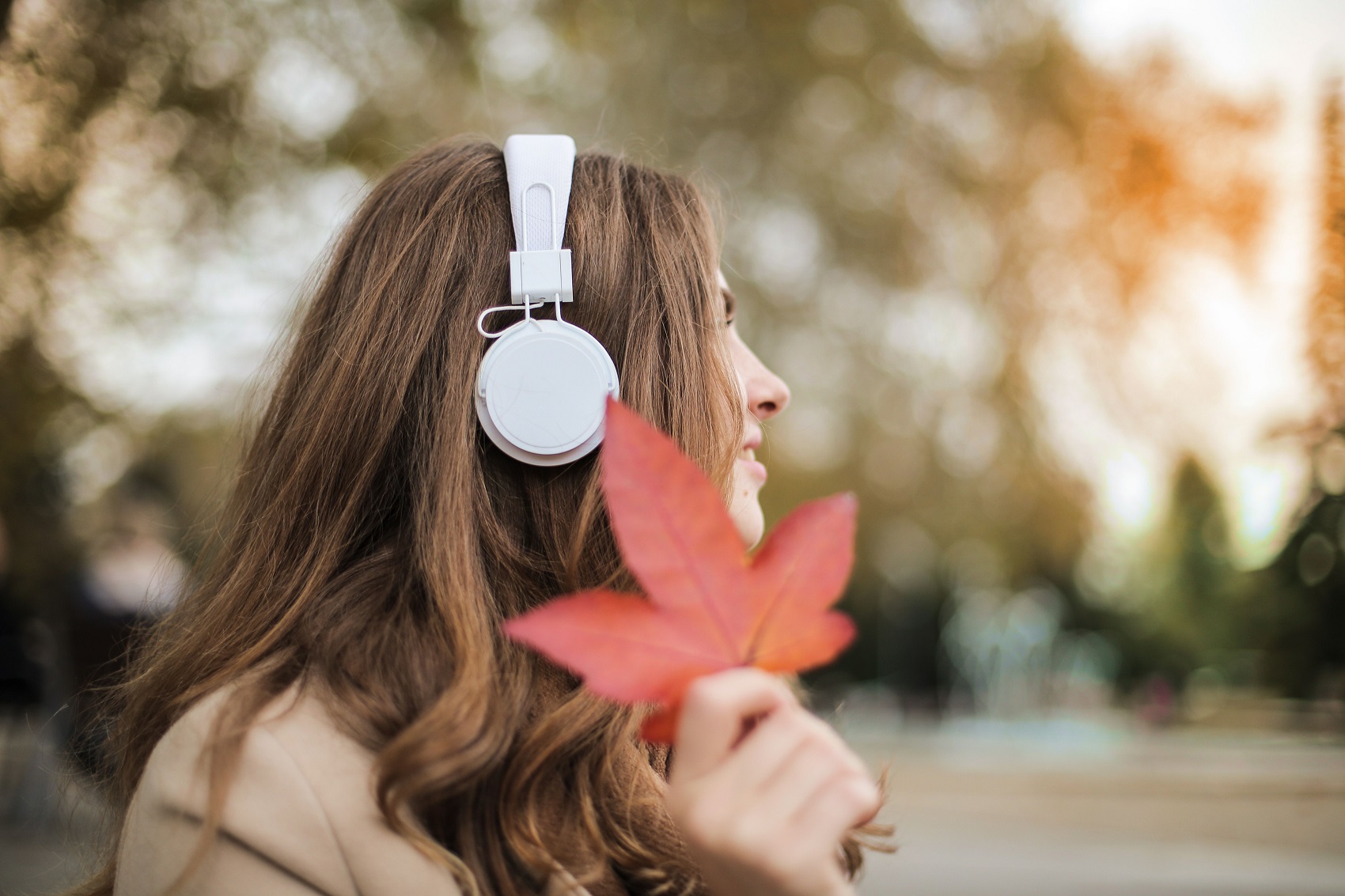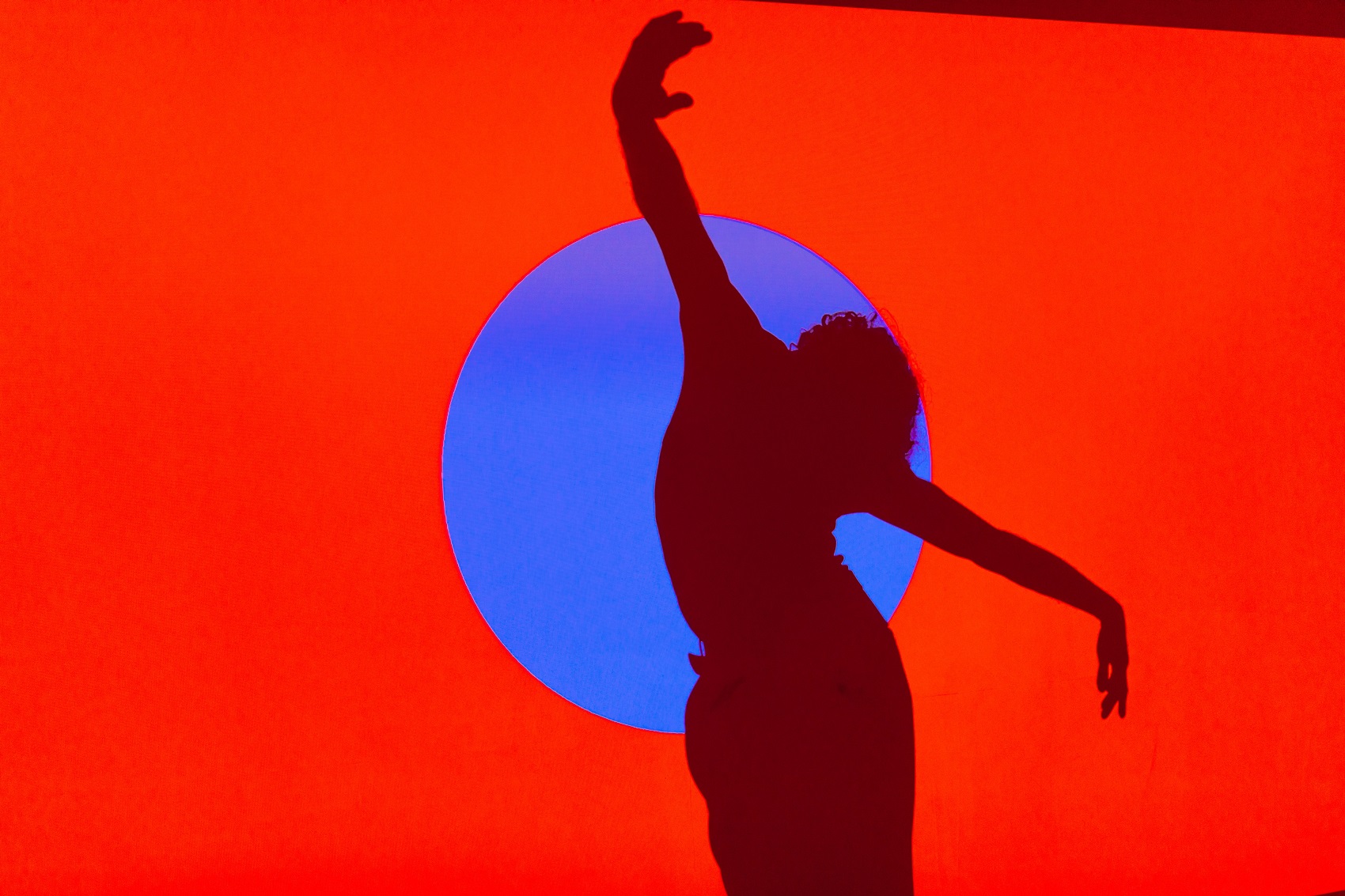

Some people can effortlessly lose themselves in the music, instinctively finding the beat without thinking. Others never quite manage to stay in time, no matter how much they practice. While rhythm has often been seen as a matter of talent or musical training, scientists now believe our DNA may also play an important role.
A large genetic study led by researchers from Vanderbilt University, in collaboration with 23andMe, suggests that the ability to synchronize movements with music is influenced, at least in part, by inherited genes. The findings not only provide new insight into why musical ability varies from person to person, but also reveal surprising connections between rhythm, brain function and even human evolution.
To investigate the biological roots of rhythm, researchers analyzed genetic data from more than 600,000 participants. Volunteers answered a deceptively simple question: Can you clap in time with a musical beat? Their responses allowed scientists to compare the DNA of those who considered themselves rhythmically accurate with those who did not.
Using a genome-wide association study (GWAS), the team searched for tiny genetic variations linked to beat synchronization. Rather than identifying a single “music gene,” they uncovered 69 different regions of the genome that collectively influence how well people keep time with music.
The results also revealed that rhythm is closely connected to other naturally coordinated processes in the body. Several of the identified genes are involved in movement, breathing and walking cadence, suggesting that musical timing relies on broader biological systems responsible for coordination.
Perhaps even more unexpectedly, the researchers found a genetic association between beat synchronization and people who naturally prefer staying awake late into the night. While musicians have traditionally been viewed as night owls because of their lifestyle, the findings indicate that both traits may actually share common biological foundations. Many of these rhythm-related genes are active within the central nervous system, particularly in brain regions already known to process sound, movement and timing.
The implications extend far beyond dancing or musical performance. Previous research has shown that people who struggle with rhythm are more likely to experience conditions such as dyslexia, ADHD, stuttering and Parkinson’s disease. Although rhythm itself is not the cause of these disorders, scientists believe they may share some of the same neurological pathways.
Understanding the genetic architecture of rhythm could therefore help researchers better understand how the brain coordinates movement, language and sensory processing, potentially opening new avenues for neuroscience research. The study also strengthens the long-standing belief that musical ability can be inherited. While family environments certainly influence musical development, the findings provide compelling evidence that biology also contributes to our natural sense of rhythm.

PH: Nathan Marcam
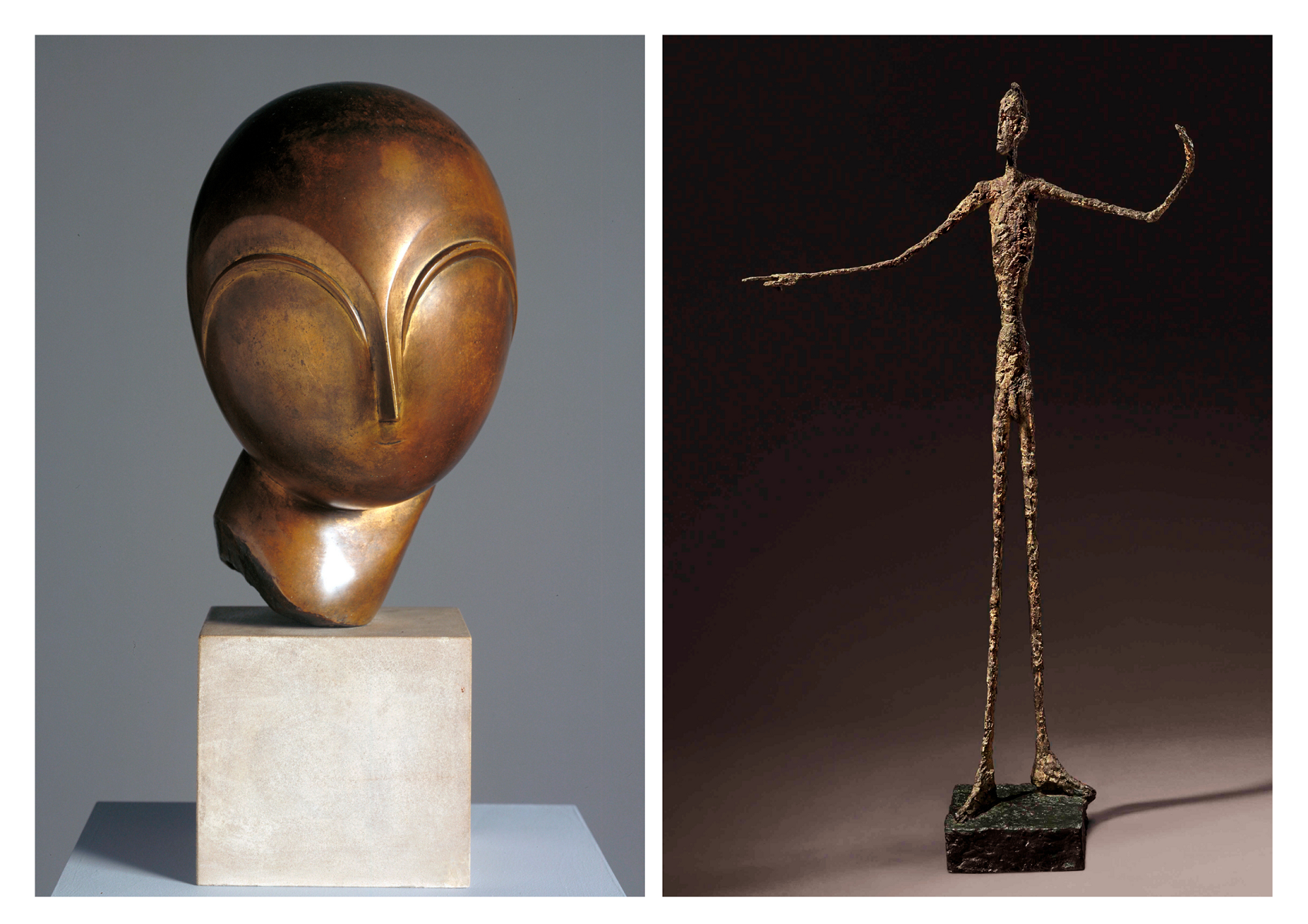
Researchers believe rhythm may have offered early humans an evolutionary advantage. Synchronizing movement could have strengthened social bonds, improved communication and encouraged cooperation within groups long before the emergence of modern language. Some of the genes associated with beat synchronization appear to have evolved from ancestral versions found in non-human primates while acquiring changes linked to enhanced cognitive abilities. Scientists are now exploring whether these same genetic pathways also influence speech, reading and other forms of communication.
The idea is supported by research on songbirds, whose vocal learning abilities show remarkable similarities to aspects of human rhythm processing. These parallels suggest that the biological foundations of music may be more deeply rooted in evolution than previously thought. Rather than being simply a source of entertainment, rhythm may represent one of the evolutionary building blocks that helped shape human cognition, communication and social life.

PH: Krnjajab