

There is a persistent idea that emotional suffering somehow fuels creativity, as if depression is part of what produces meaningful art. It sounds intuitive, even elegant: the deeper the pain, the deeper the expression. This belief has become so familiar that it often goes unquestioned. When someone creates powerful work, the explanation is quickly pulled toward emotion rather than process, as if psychological distress is a necessary ingredient rather than a possible coincidence.
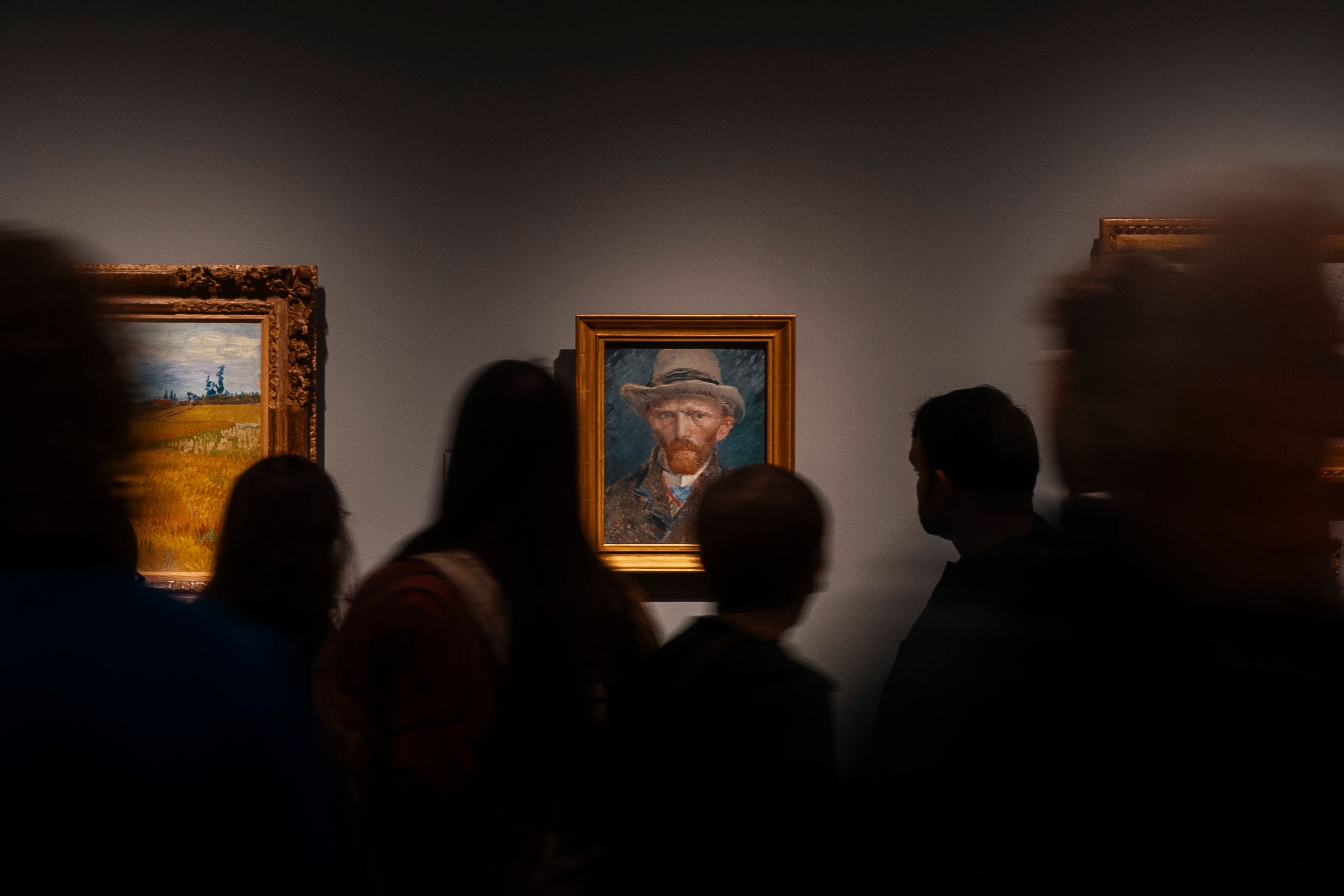
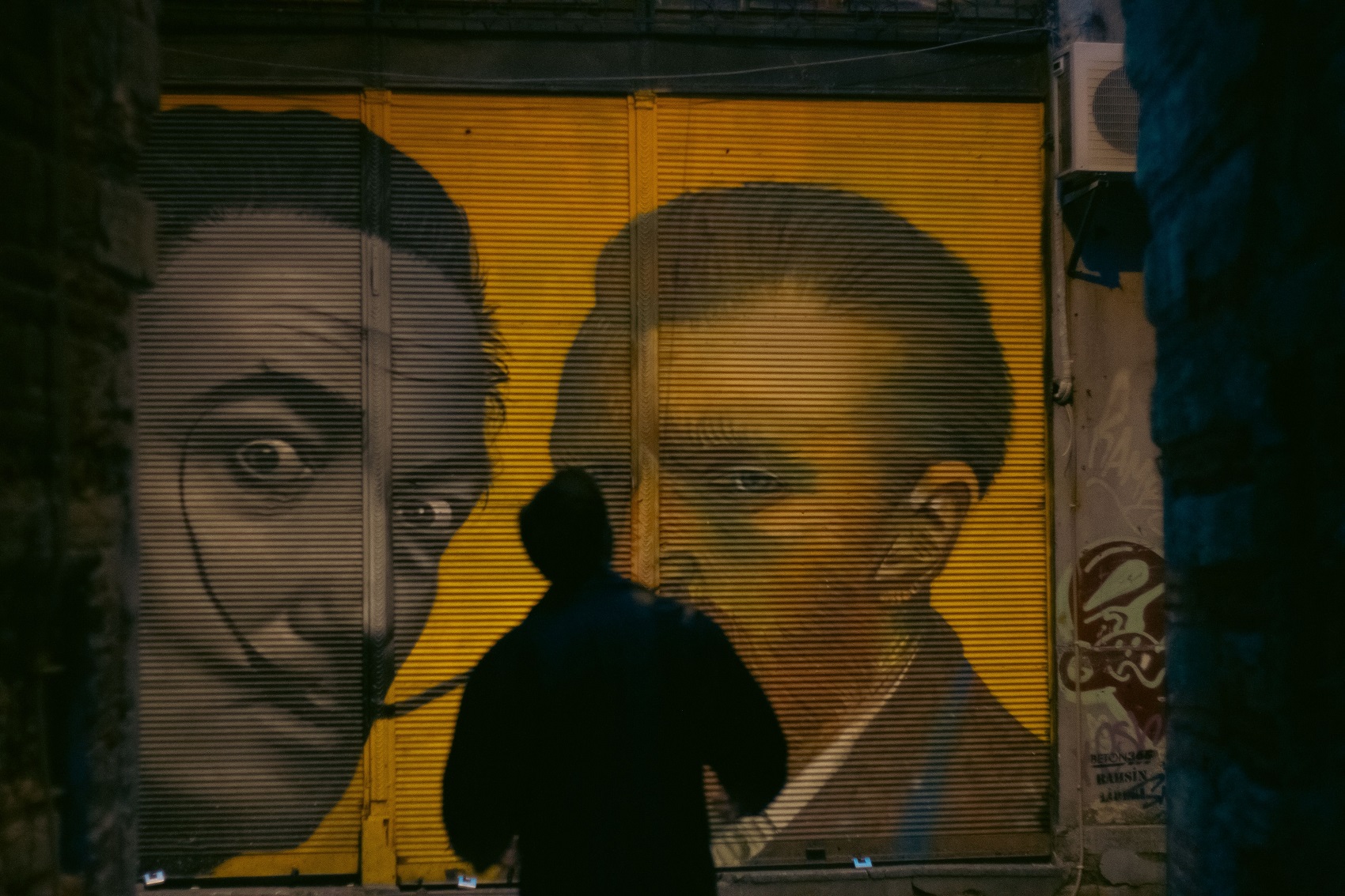
That is why figures like Van Gogh, Edvard Munch, Michelangelo Buonarroti, Frida Kahlo, Salvador Dali and Francisco de Goya are so often placed at the center of this narrative. Their lives included real psychological struggle, but they are also selectively remembered. What fits the story is emphasized, while the rest of their work and routine disappears behind the symbolism.
Research shows that there is no clear or consistent link between depression and increased creativity, nor evidence that depression is required for creative ability. Studies that explore this relationship often produce mixed results depending on how creativity and mental health are defined and measured. Because of this, no stable conclusion can be drawn that directly connects depressive disorders with higher creative output.
Some research does show that certain states associated with bipolar disorder, particularly periods of elevated mood, can temporarily increase cognitive speed and idea generation. During these phases, thinking may become more rapid and associative, leading to a higher number of ideas. However, research also shows that this does not equal increased creativity itself. It reflects changes in cognitive tempo and activity, not creative quality or skill.
At the same time, research shows that depression tends to have the opposite effect. It reduces motivation, slows cognitive processing, limits mental flexibility, and makes it more difficult to initiate and sustain complex thinking. These are core processes involved in creative work, meaning depression often interferes with creativity rather than enhances it.
Even though research does not support a direct link, the association still feels convincing to many people. One reason is that depression and creative behavior can look similar from the outside. Both can involve isolation, irregular routines, withdrawal from social activity, and long periods of intense internal focus. Because these outward patterns overlap, it is easy to assume a shared cause.
Another important factor is the structure of creative work itself. Many creative professions involve instability, unpredictable income, frequent rejection, constant evaluation, and high levels of uncertainty. These conditions can create emotional strain on their own, which may be mistaken for a connection between creativity and depression.
Large-scale research does not show a strong or stable correlation between creativity and depression. Some studies do find slightly higher rates of certain mood disorders in specific creative professions, especially writing. However, this pattern is not consistent across all artistic fields and does not apply universally to creative individuals.
More consistently, research identifies traits associated with creativity rather than mental illness. These include heightened sensitivity, openness to experience, strong pattern recognition, and a tendency toward associative thinking. These traits are not disorders, but they can influence both creative ability and emotional vulnerability depending on the environment.
Research also shows that creativity is often used as a way of processing emotional experience rather than being caused by it. Writing, music, and visual art can help individuals organize internal emotional states and make them more structured and understandable. In this sense, creativity can function as a coping or processing mechanism rather than a product of psychological distress. And yes, depression and creativity can exist in the same person, but neither reliably explains the other. Their overlap is situational and influenced by context, environment, and individual traits rather than a direct causal relationship.

“A lot of men are tired. Not physically.
Emotionally and mentally tired. But society has trained us to hide it as a man.
A man can be strong and soft, confident and vulnerable, protective and emotional.
Strength is not the absence ot emotion. Strength is carrying responsibility while still having the courage to be honest about your pain.” – A MAN by Praise Agunbiade
Creativity helps people release internal tension by turning thoughts and emotions into something external and structured, which can make difficult feelings easier to handle. It can reduce stress by shifting attention into focused expression and breaking cycles of overthinking. It also supports emotional processing, giving form to experiences that feel unclear or overwhelming. This can create a sense of distance from emotions, making them easier to understand instead of being fully consumed by them.
Over time, creative activity can support coping and emotional regulation, especially during periods of pressure or instability, by offering a consistent way to process what someone is going through.