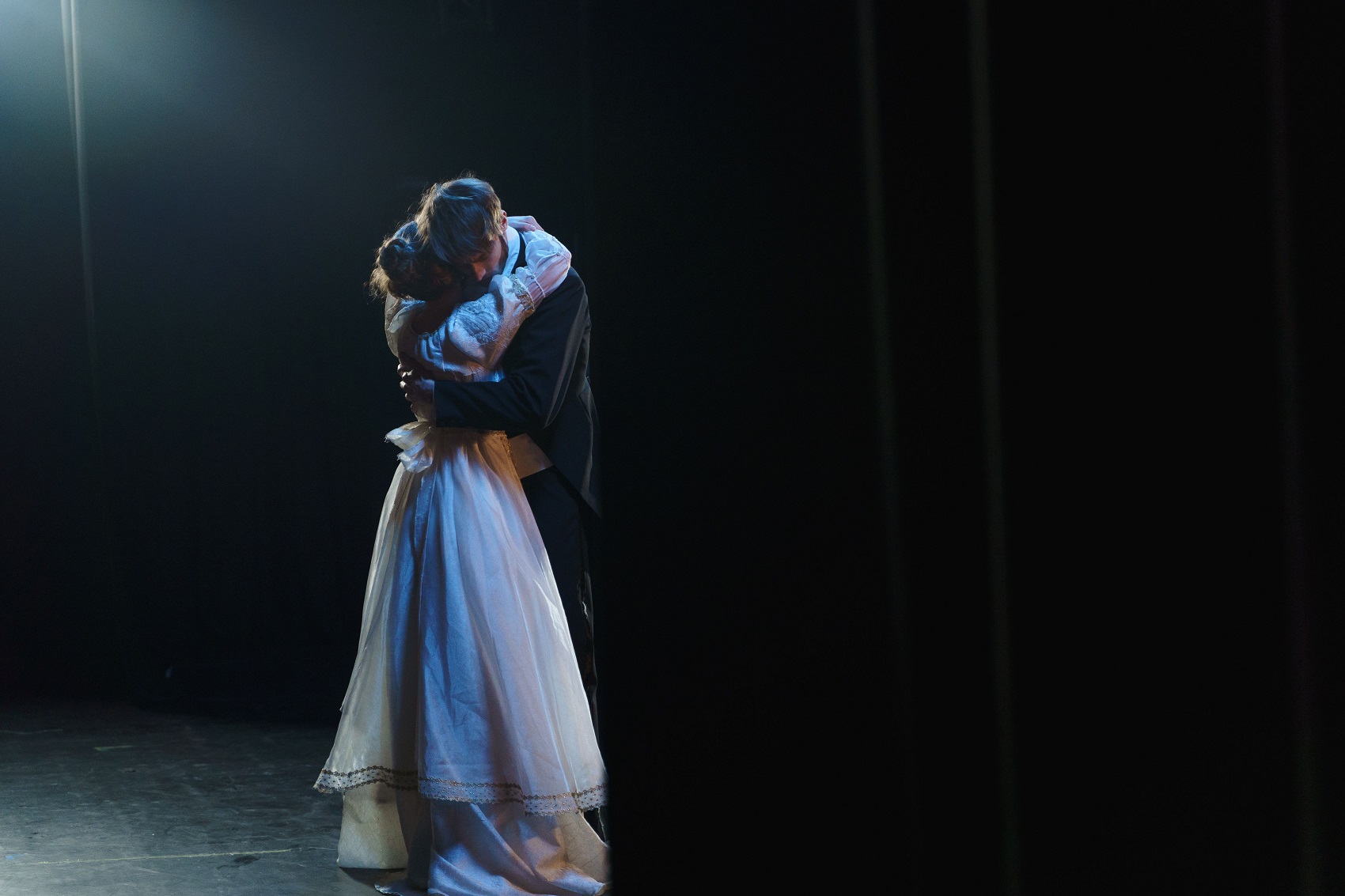


Some experiences stay with us long after they end. A great musical or play is one of them. You leave the theatre, but the performance does not really leave you. A song keeps playing in your mind, a scene comes back unexpectedly, and for a while you carry a little piece of that world with you. That is the magic of musical theatre. It takes the basic human desire to tell and hear stories and turns it into something much more immersive. Instead of simply watching a story unfold, audiences experience it through sound, movement, emotion, and atmosphere all at once.
And yes, many of us have wondered the same thing Rachel Zegler once expressed: “Musical theater has always meant expression to me. It makes me sit back in my seat and say, ‘How did they put all of that into words?”
At its core, musical theatre is a fusion of disciplines. Music, dance, acting, costume, and stage design all exist together in the same moment, each one depending on the others to create the final effect. It is not a single art form, but a combination that only works when everything aligns in real time. Part of its appeal is the experience itself. It pulls people out of their everyday environment and into a different world, even if only for a short time. That sense of escape is immediate and physical.
It is also a form of storytelling that goes beyond spoken language. Emotions are not only described but transformed into music and movement, which changes how familiar themes like love, conflict, loss, or change are experienced.
At the same time, musical theatre often carries cultural meaning. It can reflect different communities, preserve traditions, and highlight social issues, sometimes directly and sometimes through subtext. Nothing about it exists individually. Every production depends on collaboration between performers, musicians, directors, designers, and technical teams, all working in constant coordination. For those involved, it is also a process of development. It builds confidence, discipline, communication skills, creativity, and adaptability in fast-changing conditions.
Many musicals are based on literature, history, or real events, which means they often transform information into something emotional and accessible rather than purely factual.

PH: Robert Stokoe
The industry around it also has a wider impact. It supports jobs across performance, production, technical work, tourism, hospitality, and all the services connected to live events. Older productions do not disappear. They return in new forms, reinterpreted and reshaped by different artists and contexts, keeping the tradition alive while it evolves.
Finally, music itself plays a central role. In a live setting, it affects emotion instantly and, combined with performance, creates moments that feel both shared and deeply personal, often staying with people long after the show ends. It’s interesting what Zac Efron once said: “I’ve always been singing. Since day one. I started doing musical theater and you have to sing in musical theater and so that’s where I got most of my training. So singing on stage, you just inevitably, when you’re around other vocal artists, you get better at singing.”
Beyond entertainment, musical theatre has a lasting effect on people and communities. It can be emotionally powerful, even therapeutic, because music combined with live performance has a direct influence on mood and emotional release. It is also educational in an indirect way, turning historical events, literature, and real-life experiences into something audiences connect with emotionally rather than academically.
Taken together, these elements explain why musical theatre is not just something you watch. It is something that happens in real time between people in the same room, and it keeps echoing even after everyone has left. If you’ve ever left a theatre feeling the same way, you’re definitely an #Artgasmic soul and we’d love to know what stayed with you most.