

Music is increasingly being understood not only as an emotional experience, but also as something that can be linked to measurable changes in heart activity. What was once based on personal interpretation is now being studied using cardiovascular data. Researchers are examining how specific musical features relate to changes in heart rate, showing that music can influence cardiac activity in real time depending on how it is structured and performed.
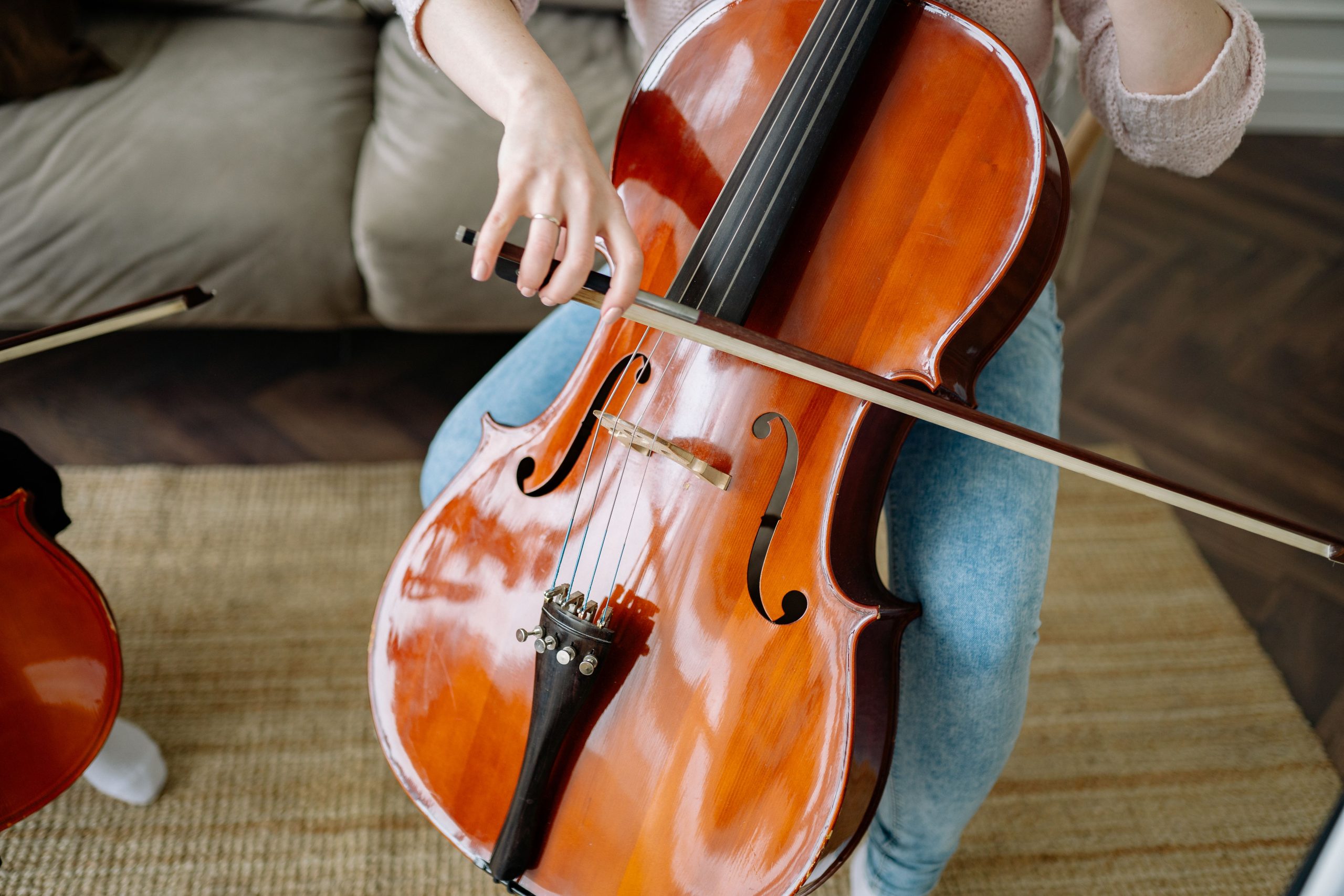
At King’s College London, scientists developed a model that can estimate how a musician’s heart behaves during performance by analysing recordings and the interpretative decisions made while playing. The system tracks how different musical choices shape heart rate across an entire piece, from quiet passages to intense climaxes. They found that loudness has a stronger effect on heart rate than tempo. Building tension, shaping phrases, and deciding who leads or accompanies all influence how the body responds while performing. Even technically demanding or risky passages affect heart activity, with stronger effects observed in some instruments, particularly the cello.
The research is part of a broader effort to understand whether music could eventually play a role in assessing or supporting cardiovascular health. In another part of the study, researchers also measured physiological responses in listeners, including heart rate, breathing, and blood pressure, while they were exposed to music. The goal was to identify patterns that might be useful in medical contexts.
They also observed a connection between performers and listeners, where physiological responses appeared to align across both groups during shared musical experiences.
PH: Jana T
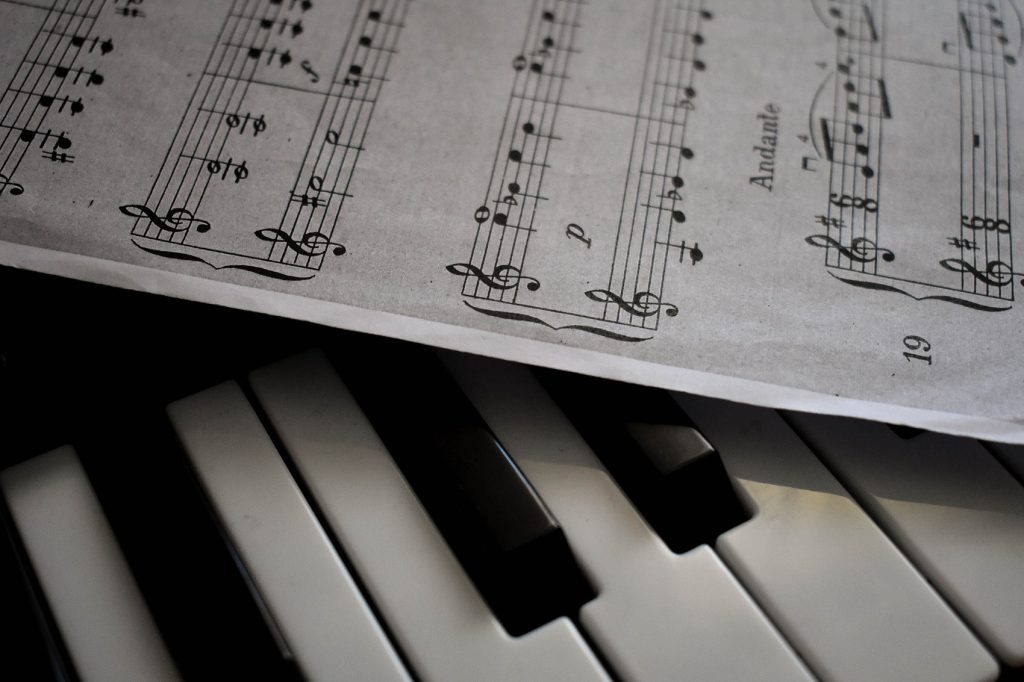
The study was conducted by Professor Elaine Chew and Dr Mateusz Soliński and published in Frontiers. The team collected heart rate data from musicians performing Schubert’s Trio No. 2 (Andante con moto) across repeated sessions. The pianist, violinist, and cellist wore ECG chest straps during performance. These recordings were compared with acoustic features such as loudness and tempo, along with detailed annotations of performance choices.
Using this dataset, the researchers built a model capable of predicting heart rate based solely on musical structure and interpretation. When comparing the physiological recordings, the musicians’ heart rhythms became strongly synchronized during ensemble performance. Despite different instruments and physical demands, their cardiac responses aligned most strongly during climactic sections. The most significant changes in heart rate occurred when multiple musical factors coincided, rather than simply from the number of notes being played.