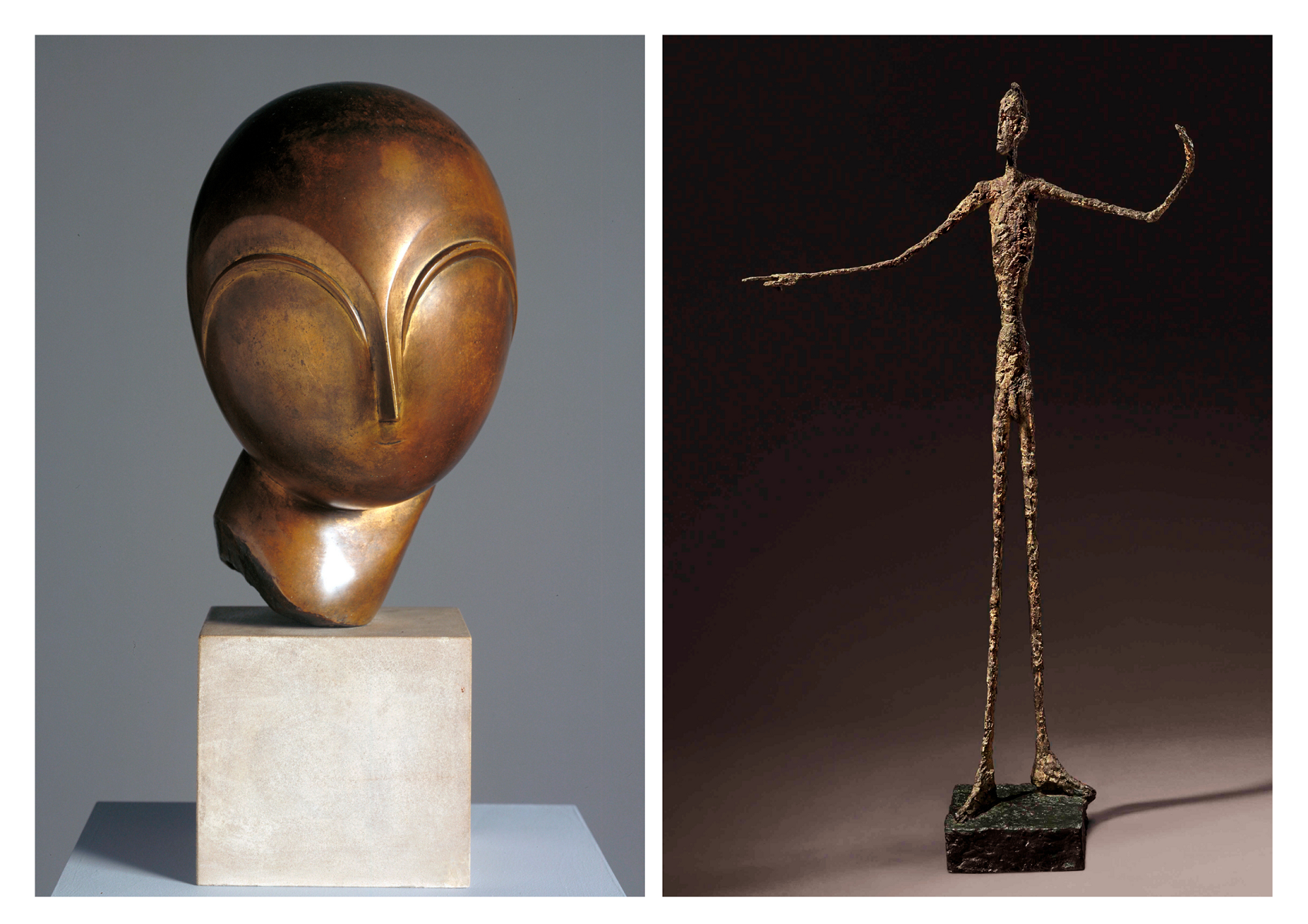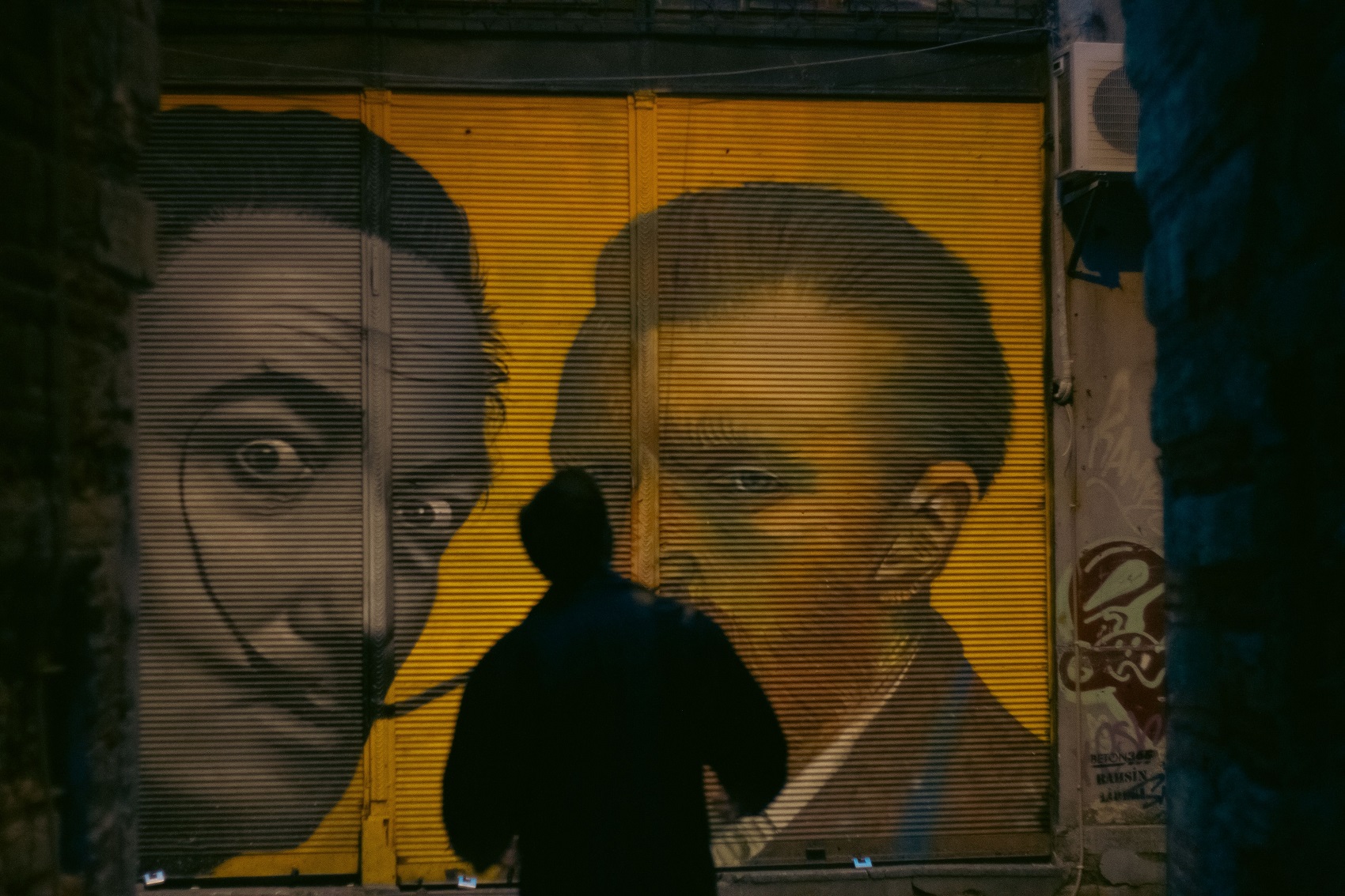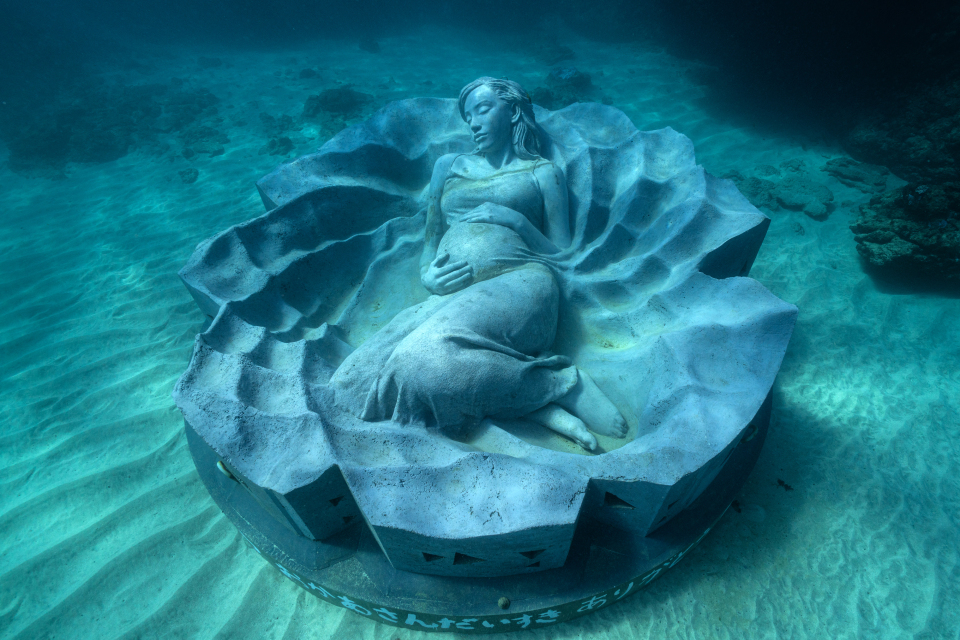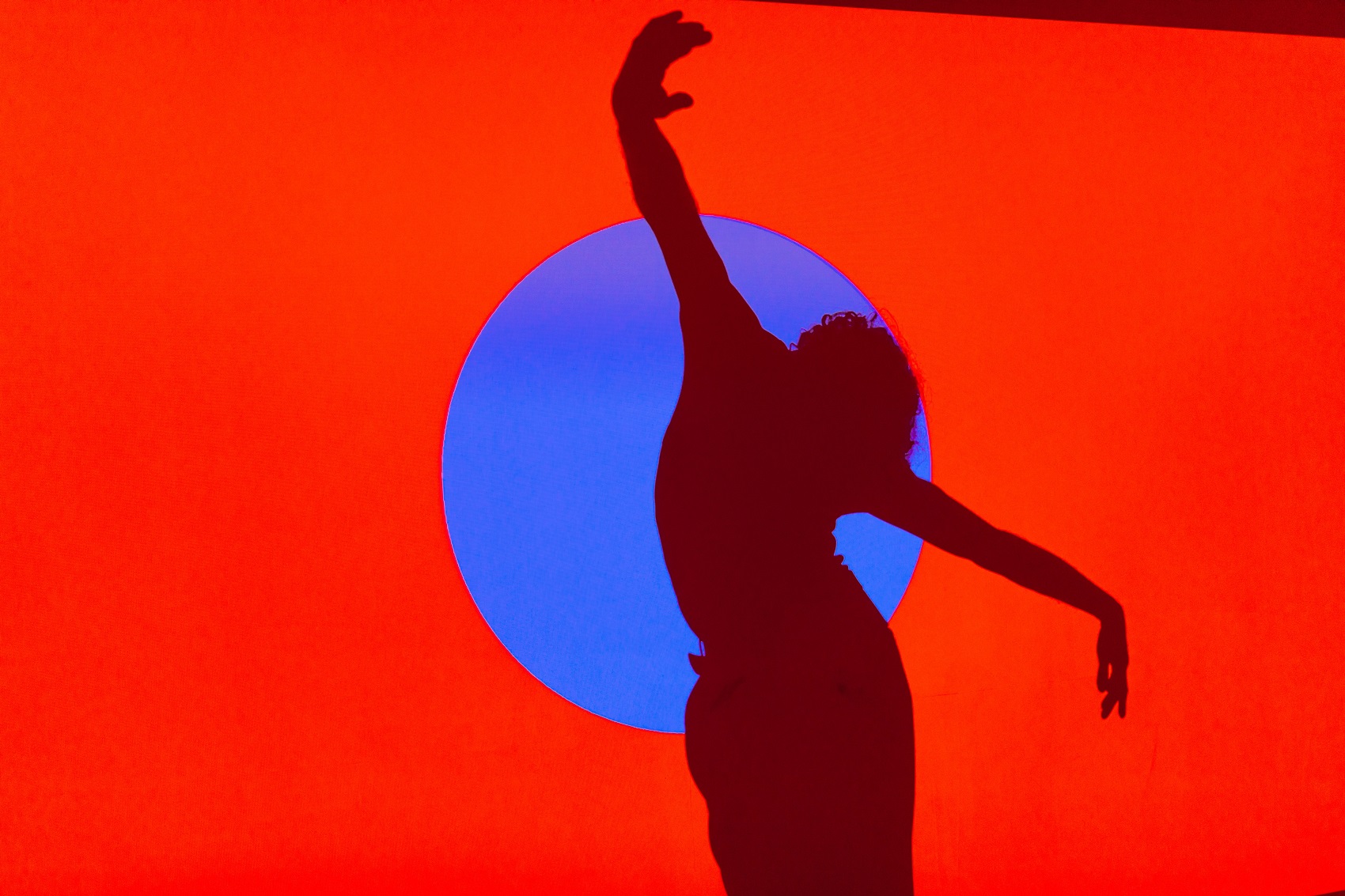


A new study published by researchers at University College London suggests that regular engagement with art and culture may help slow biological aging, potentially at a rate comparable to physical exercise.
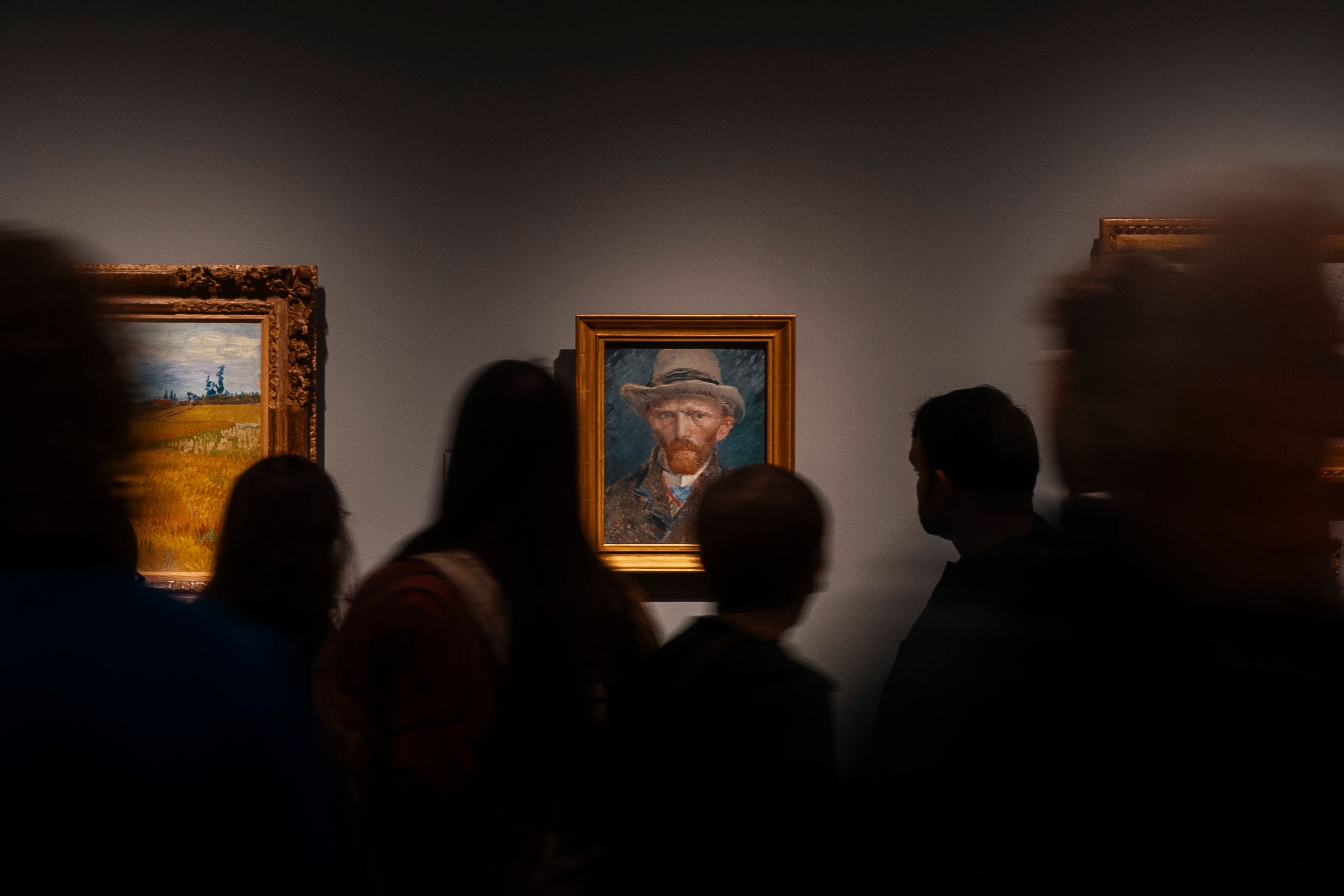
The research, published in the journal Innovation in Aging, analyzed blood samples from 3,556 adults and explored how activities such as reading, listening to music, visiting museums, attending galleries, dancing, and engaging in creative hobbies affect the body at a cellular level.
Participants who engaged with artistic or cultural activities at least once a week appeared to age biologically around 4% more slowly than those who rarely did so. Even monthly participation was linked to slower aging. Researchers also found that people who regularly engaged with creativity and culture were biologically younger, on average, than those who did not.
Unlike chronological age, which simply measures the number of years a person has lived, biological age reflects how the body is functioning internally. To estimate it, researchers used several advanced epigenetic clocks, scientific tools that track age-related changes in DNA over time. The strongest associations were observed among men over the age of 40 and remained significant even after researchers adjusted for variables such as BMI, smoking, alcohol use, income, and overall health.
Lead author Daisy Fancourt said the findings support the idea that artistic and cultural engagement should increasingly be considered a meaningful health-promoting behavior, alongside exercise and other longevity-related habits.

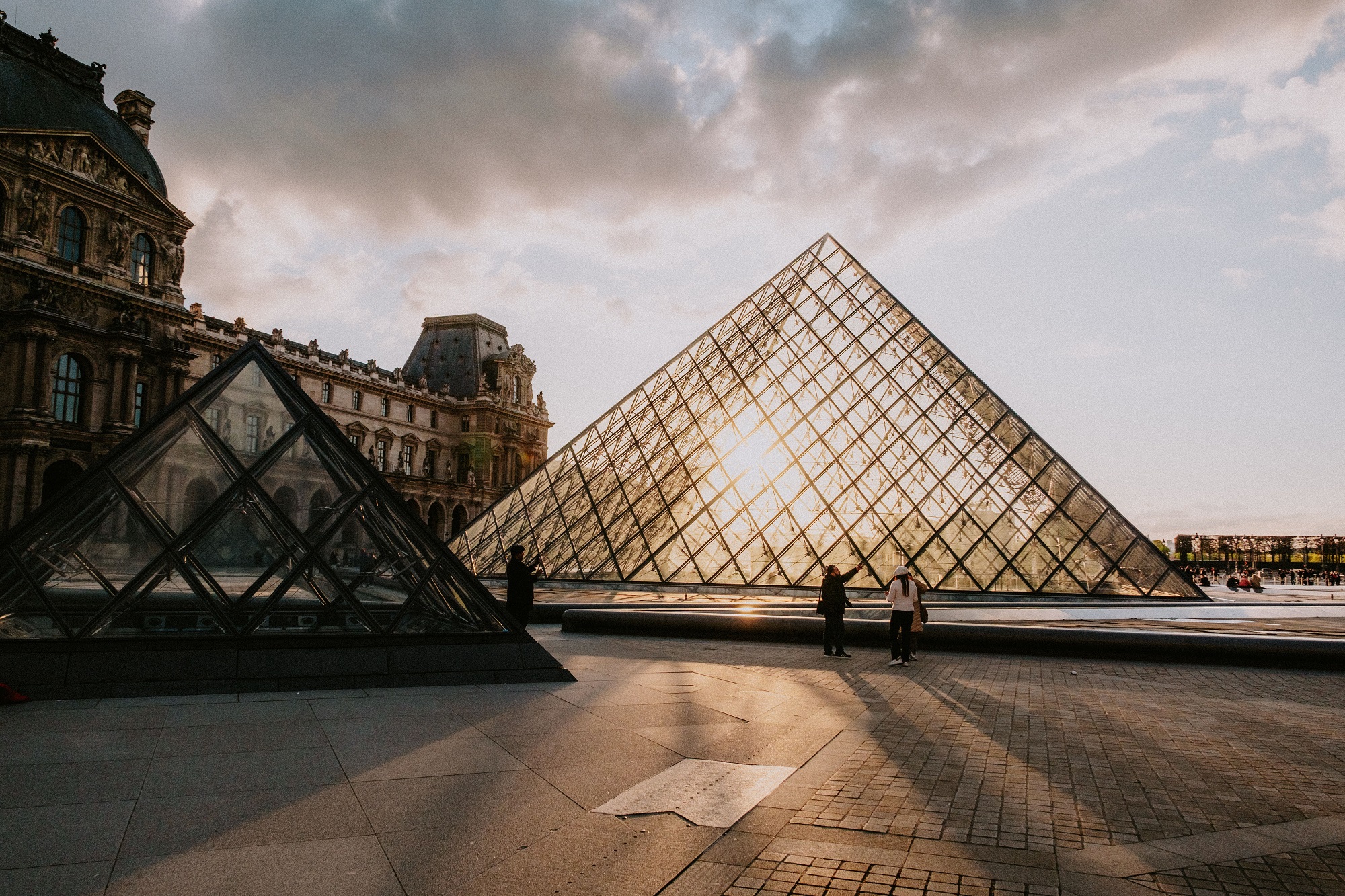
PH: Dana Camelia Pogocsan
Researchers also noted that different forms of art appear to stimulate the body in different ways. Music may help regulate emotions, museums and reading may support cognitive engagement, while dance combines movement, creativity, and social interaction. Together, these experiences seem to influence stress, inflammation, and emotional resilience, all factors closely connected to aging and long-term health.
The study builds on previous research linking creativity with lower anxiety levels, improved cardiovascular wellbeing, and reduced stress markers. Increasingly, science is beginning to examine art not simply as entertainment or aesthetic pleasure, but as something capable of influencing the body itself.
At a time when burnout and emotional fatigue have become deeply embedded in modern life, the findings offer a different perspective on creativity. Listening to music, spending time in a gallery, reading, painting, or engaging with culture may be doing far more than helping people emotionally. It may also be quietly shaping how the body ages over time.

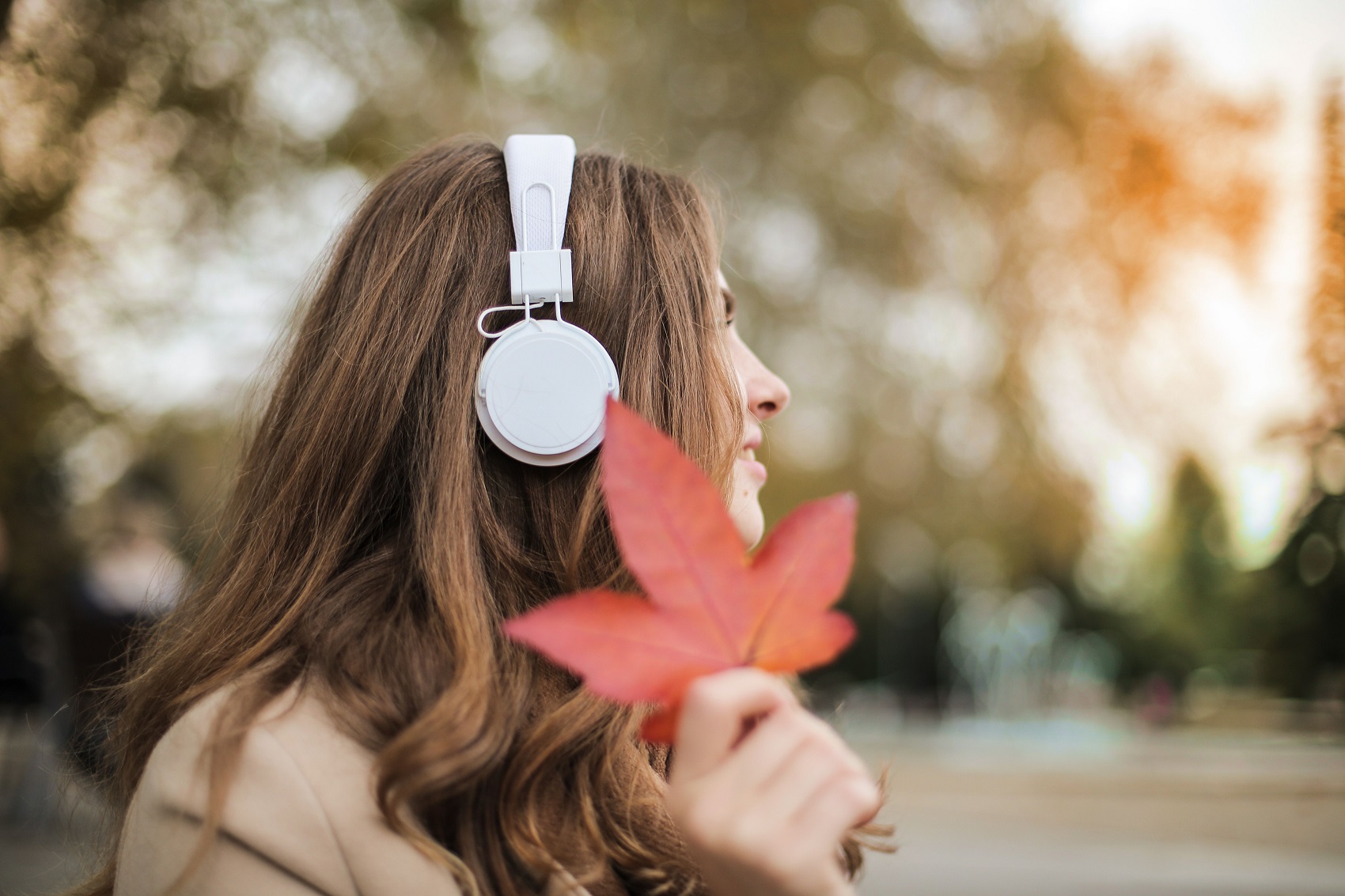
PH: Imren Tutuncu