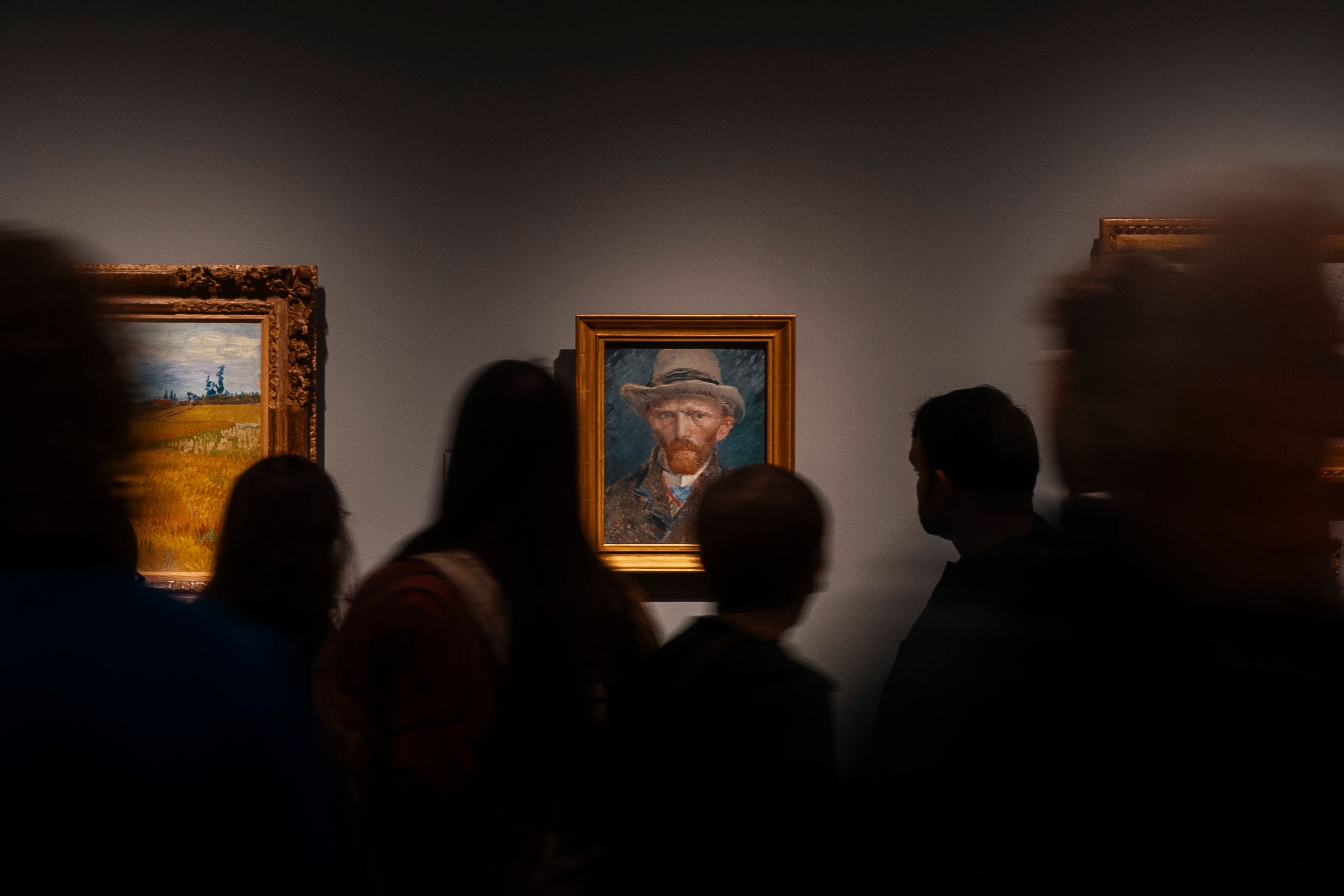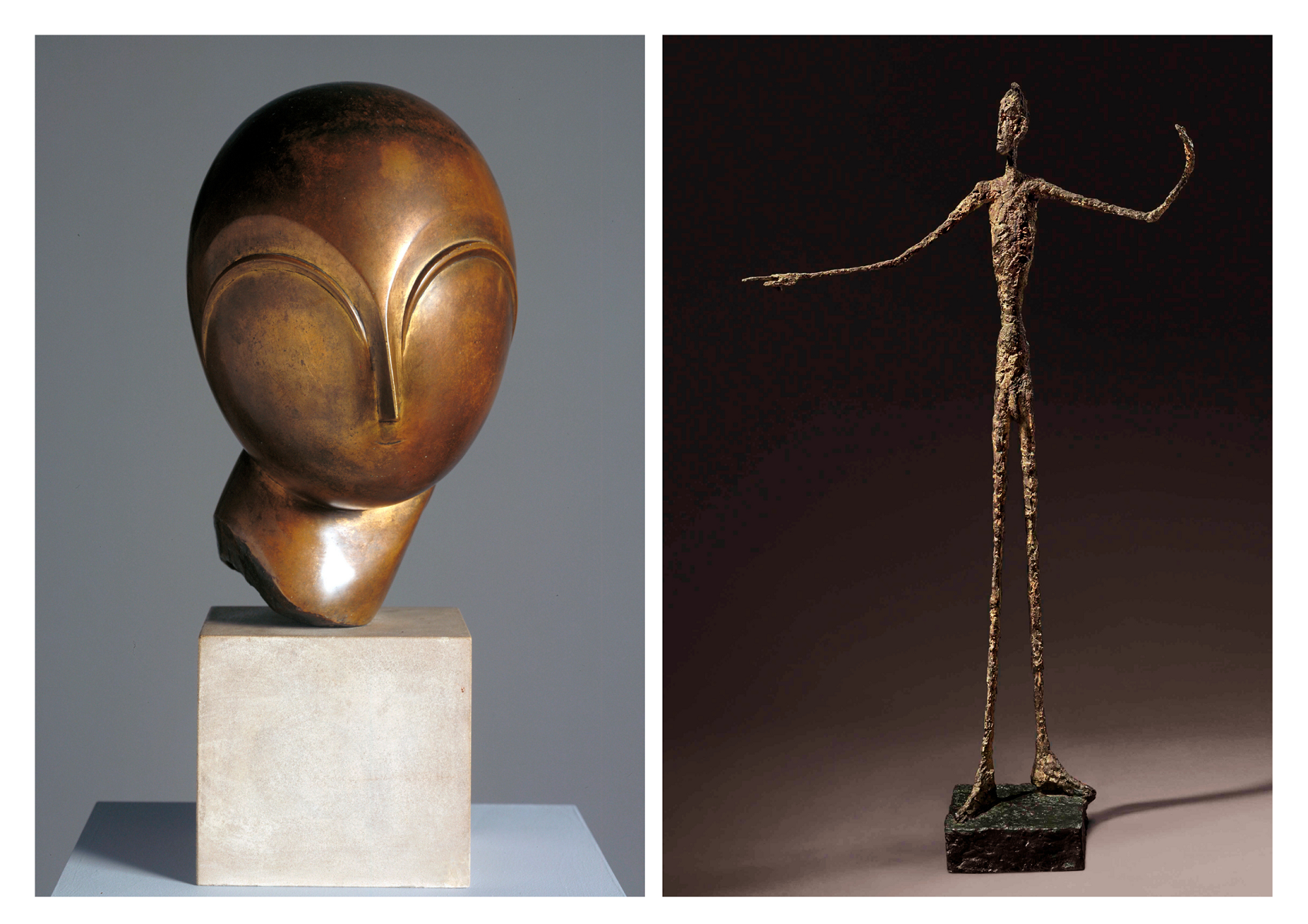

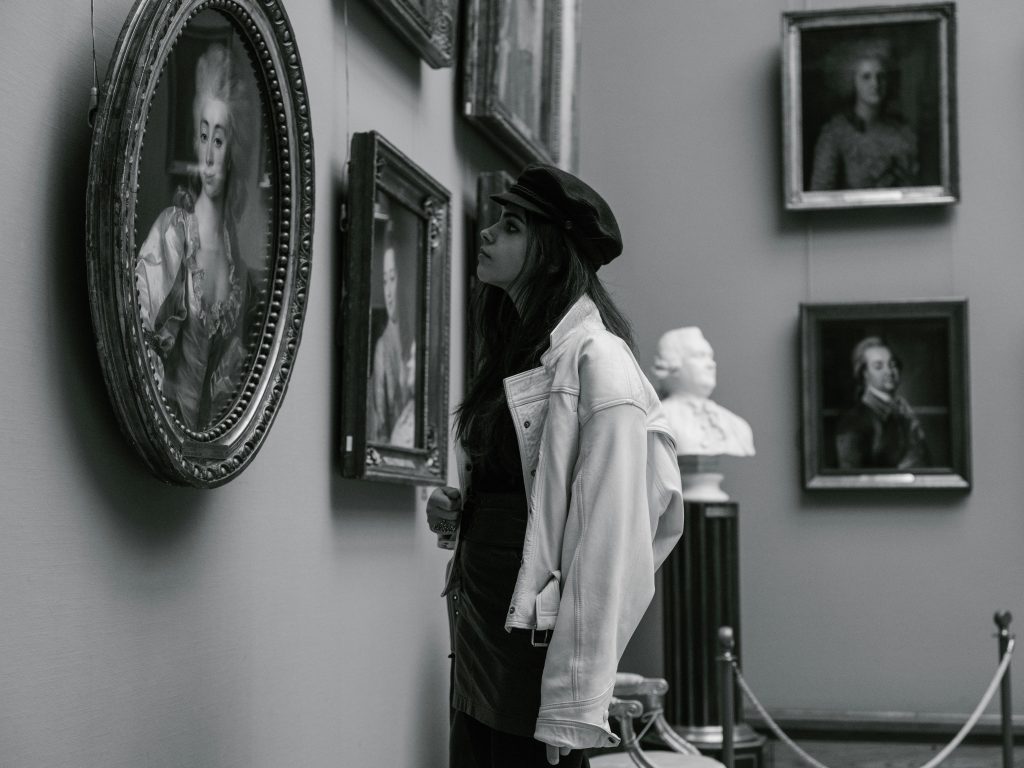
Learning to read a painting is more than simply looking at colors and shapes. It is about developing curiosity, observation skills, and imagination, and it can transform the way we experience art. Just as reading a book allows us to enter a world created by words, reading a painting lets us step into a universe composed entirely of visual cues. Unlike literature, the scene is already painted for us, offering a multicolored experience that invites immediate engagement.
Understanding how to read a painting is especially useful in classrooms or group settings. By exploring what a painting communicates, students can connect personally with the work while participating in collective discovery. Through careful observation, imagination, and discussion, a painting becomes a doorway to both shared insights and individual reflection.
Looking at a painting requires intentionality. In our fast-paced digital culture, we rarely spend extended time with a single image. Paintings demand patience, attention, and curiosity. Encouraging students to engage with a painting deeply can transform passive observation into active exploration.
One approach is to invite students to mentally “jump into” the painting. What would it feel like to be inside the scene? What sights, sounds, or smells might surround them? Where would they go, who might they interact with, and what would they notice first? Another method is the “visual walk,” where students move their eyes through the painting systematically: from top to bottom, foreground to background, noting objects, figures, and interactions.
Exercises like describing the painting to a partner, taking a “mental photo,” or sketching the scene using only lines, shapes, or even their non-dominant hand, encourage close observation while sparking creativity. These methods shift the focus from simply seeing to noticing, imagining, and remembering, helping students form a richer understanding of the work.
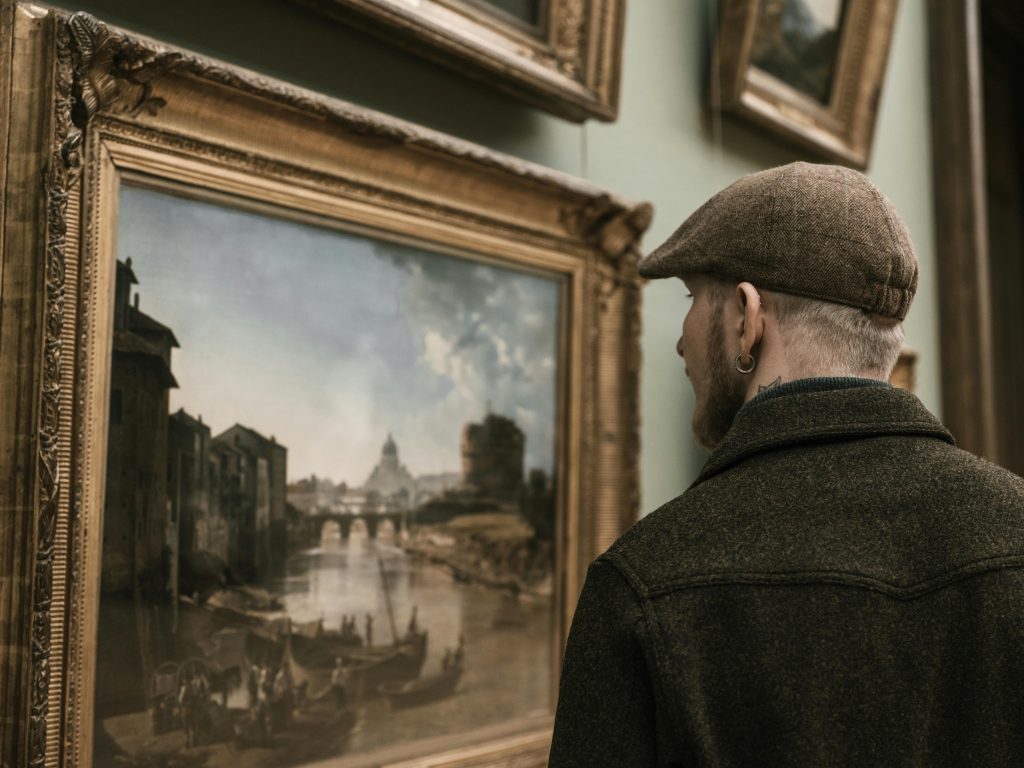
PH: ArtHouse Studio
Responding to a painting is a layered process. Initial reactions are instinctive, yet deeper insight emerges through reflection, dialogue, and comparison with prior knowledge. Each viewer brings their personal history to the work, making connections that are both shared and unique. A gesture, an object, or a color might resonate differently with every observer, creating a spectrum of interpretations.
When teaching students to respond to art, it is helpful to frame questions that encourage thoughtful investigation. Open-ended prompts like “Tell me about this character,” “What might happen next?” or “What do you think the artist is trying to convey?” invite discussion rather than simple recall. These questions foster critical thinking, empathy, and creative interpretation, helping students analyze both what is depicted and how the artist has used composition, color, and tone to communicate ideas.
Knowledge about the painting is valuable but should be used strategically. Rather than overwhelming students with facts, well-timed information can help them make deeper connections. Encouraging role play, freeze-framing, or dramatization allows students to inhabit the painting, understanding characters’ physical and emotional experiences. This experiential approach turns abstract observation into a personal and immersive encounter.
Discussion is the bridge between seeing and understanding. The right prompts encourage students to articulate their observations, compare perspectives, and build a dialogue where ideas evolve organically. Questions about characters, relationships, mood, or the artist’s intention can ignite curiosity and debate.
Progression is key: start with what is visible, move to inference and analysis, and gradually explore broader themes and viewpoints. Encourage students to justify their interpretations: “How do you know?” “Where is the evidence?” “Can someone add to that?” These follow-ups cultivate a collaborative environment where insights accumulate, and understanding deepens.
The goal is a dynamic exchange rather than a one-way lesson. By fostering inquiry and empathetic engagement, students learn to see like artists and think like viewers. Each conversation opens a window into the painting, revealing new dimensions and connections with every discussion.
Reading a painting is both an art and a skill. It transforms passive looking into active engagement, connecting imagination, observation, and dialogue. Whether in a gallery, classroom, or home, these techniques help viewers unlock the hidden stories, emotions, and meanings that lie within every canvas.