
A tattoo can begin with something small: a date, a phrase, a drawing saved for years inside a phone gallery. But the decision to make it permanent is rarely casual. Tattoos often arrive at emotionally charged moments in life, after heartbreak, healing, change, loss, or self-discovery.
That is what makes tattooing different from decoration. The process is deeply personal. Beneath the ink lives a story, and beneath the story, a need to remember something that mattered enough to stay forever.
Most people can still remember exactly why they got their first tattoo. Not necessarily the day itself, but the feeling behind it. Maybe it came after losing someone. Maybe after finally leaving a relationship that had been draining them for years. Maybe during a moment when life no longer felt familiar and they needed something solid to hold onto. Tattoos often appear during periods of change because they give emotions a physical form. They turn invisible experiences into something visible and permanent. For some people, that permanence feels comforting. Life moves quickly, people change, memories fade, but a tattoo stays exactly where you left it.
That is why tattoos rarely feel superficial to the people wearing them. Even the smallest designs tend to carry pieces of someone’s inner world: a memory, a version of themselves, a promise, a loss.
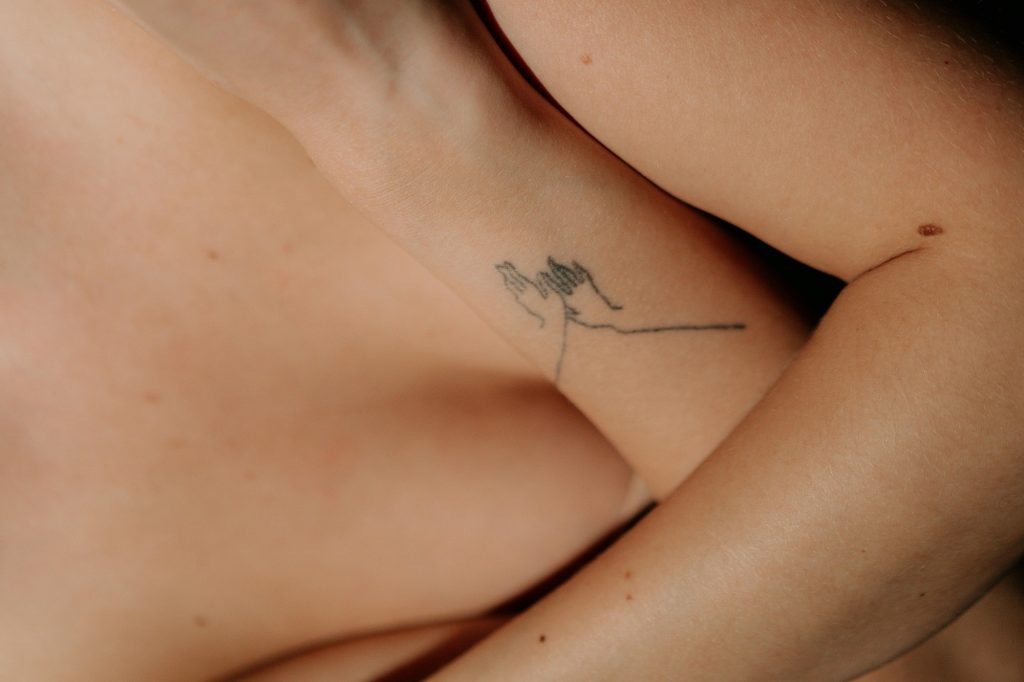
The process of getting tattooed is emotional for many people because it forces memory into the present. Choosing an image means revisiting the experience behind it, whether beautiful or painful. Memorial tattoos are one of the clearest examples. A handwriting sample, a birth flower, a meaningful date — small details become ways of preserving someone’s presence. Other people choose tattoos after periods of illness, addiction, heartbreak, or personal collapse, not to hide what happened, but to mark the fact that they survived it.
Restorative tattooing carries a similar emotional depth. Scar coverage and post-surgery work can completely change the way someone relates to their body. What once felt tied to pain becomes something reclaimed through art.
Not every tattoo is meant to be understood publicly. Some of the most meaningful pieces are the ones nobody asks about. A minimal design may contain years of emotion behind it. A small symbol can represent a person, a place, or a moment impossible to explain fully to strangers. That private connection is what gives tattoos their intimacy. Over time, the emotional meaning can shift as well. A tattoo connected to loss may later symbolize resilience. One tied to chaos may eventually represent growth. The image stays the same, but the relationship to it evolves naturally with experience.
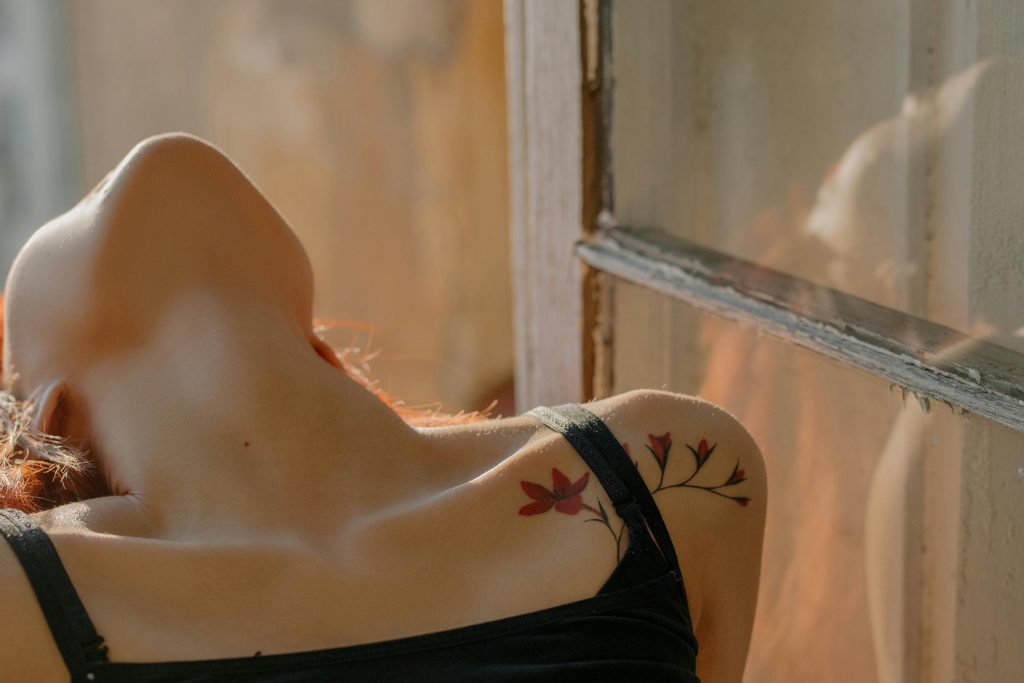
PH: Cottonbro
For decades, tattoos were associated with rebellion and social stigma. Today, they exist across every profession and generation, no longer limited to specific subcultures. Part of that shift comes from changing attitudes around identity and self-expression. People increasingly want their appearance to reflect personal experience rather than social expectations. Tattoos offer a way to make those experiences visible without needing explanation.
At the same time, tattooing itself has never disappeared historically. Across cultures, tattoos have been linked to spirituality, protection, mourning, status, and belonging. Modern tattoo culture may look different stylistically, but the emotional instinct behind it remains ancient.
Tattoos allow people to document parts of their lives without speaking about them directly. Some collect tattoos gradually, attaching each one to a different chapter or emotional period. Others choose a single design that carries enough meaning on its own. Unlike photographs stored away digitally, tattoos move through life with the person wearing them. They age, fade slightly, and become woven into the body itself.
That physical permanence is what makes them different from other forms of memory. Tattoos do not simply remind people of what happened. They become part of how those experiences continue to exist.
Tattoo artists are often trusted with deeply personal stories. Clients arrive with fragments of memories, emotions, photographs, or ideas they cannot fully articulate yet. Translating those feelings into something visual requires more than technical precision. A strong artist, like Fernanda Mariano, understands balance: how to create something aesthetically lasting while still preserving emotional honesty. The process is collaborative because the tattoo needs to feel personal to the wearer long after trends disappear.
The strongest tattoos are rarely the most elaborate. They are the ones that continue to feel true years later.
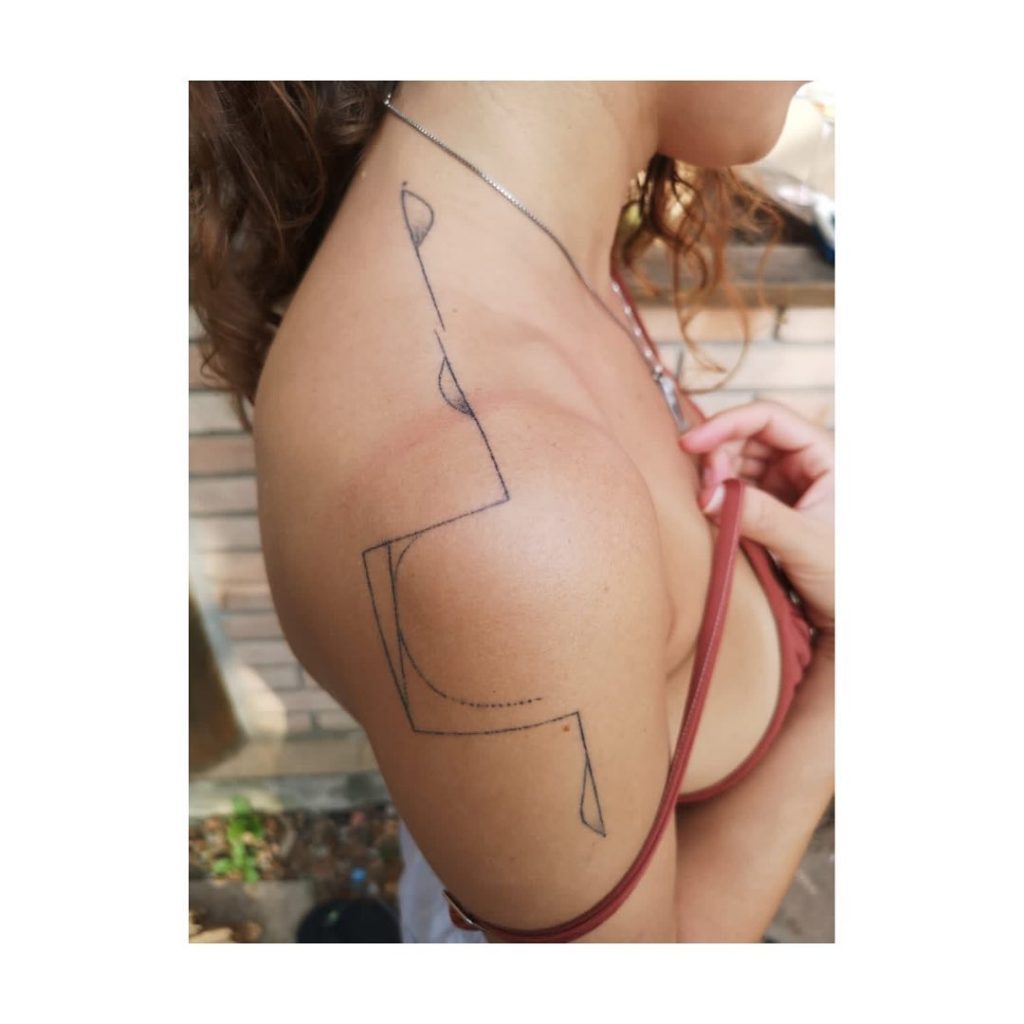
Tattoo by Fernanda Mariano