
Most of us have heard about the benefits of meditation. We know it can reduce stress, quiet mental noise, and help us feel more present. Yet for many people, meditation feels surprisingly difficult. Sitting still with our thoughts is not always as calming as it sounds. What often goes unmentioned is that there are other ways to enter a meditative state. One of the most powerful is art.
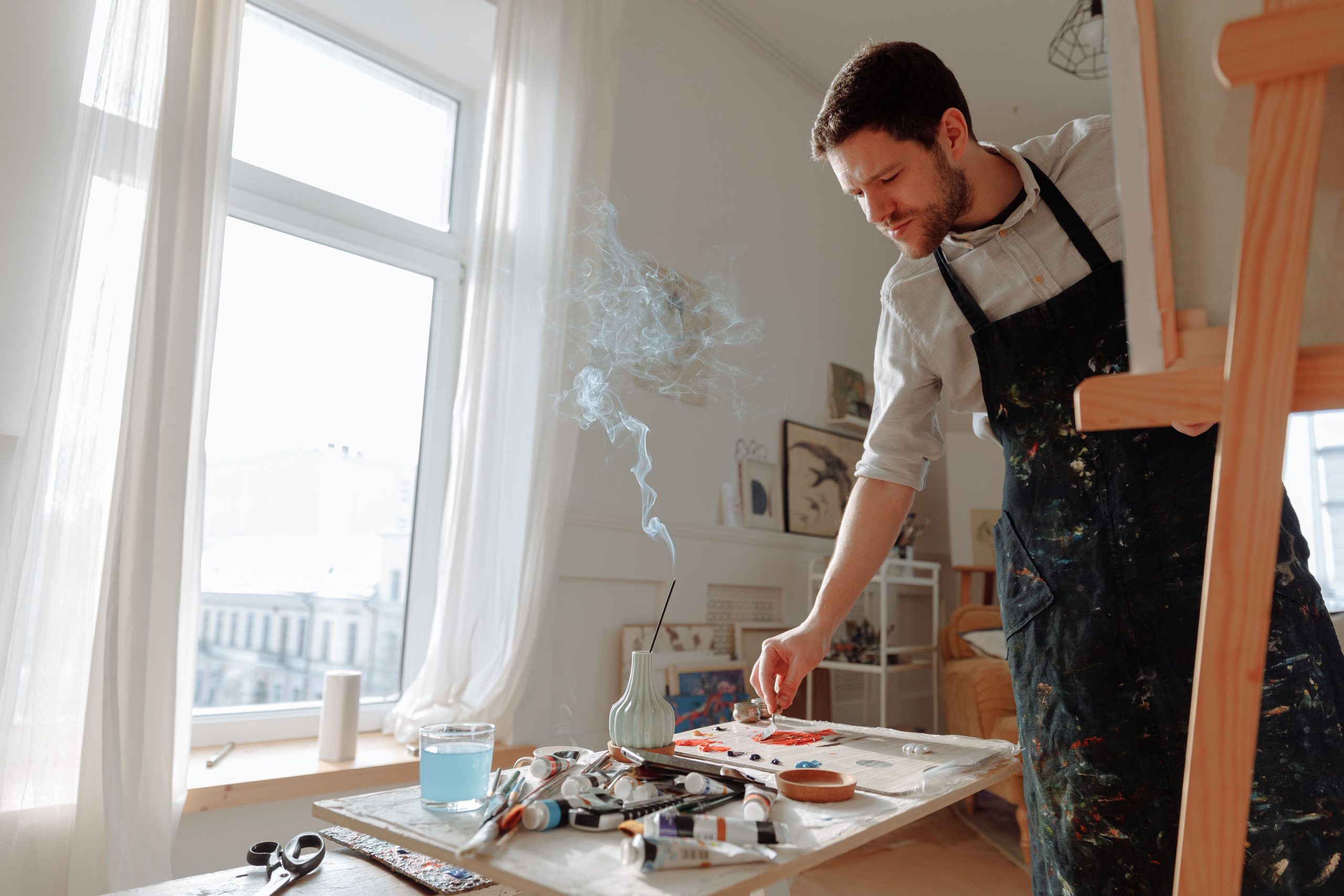
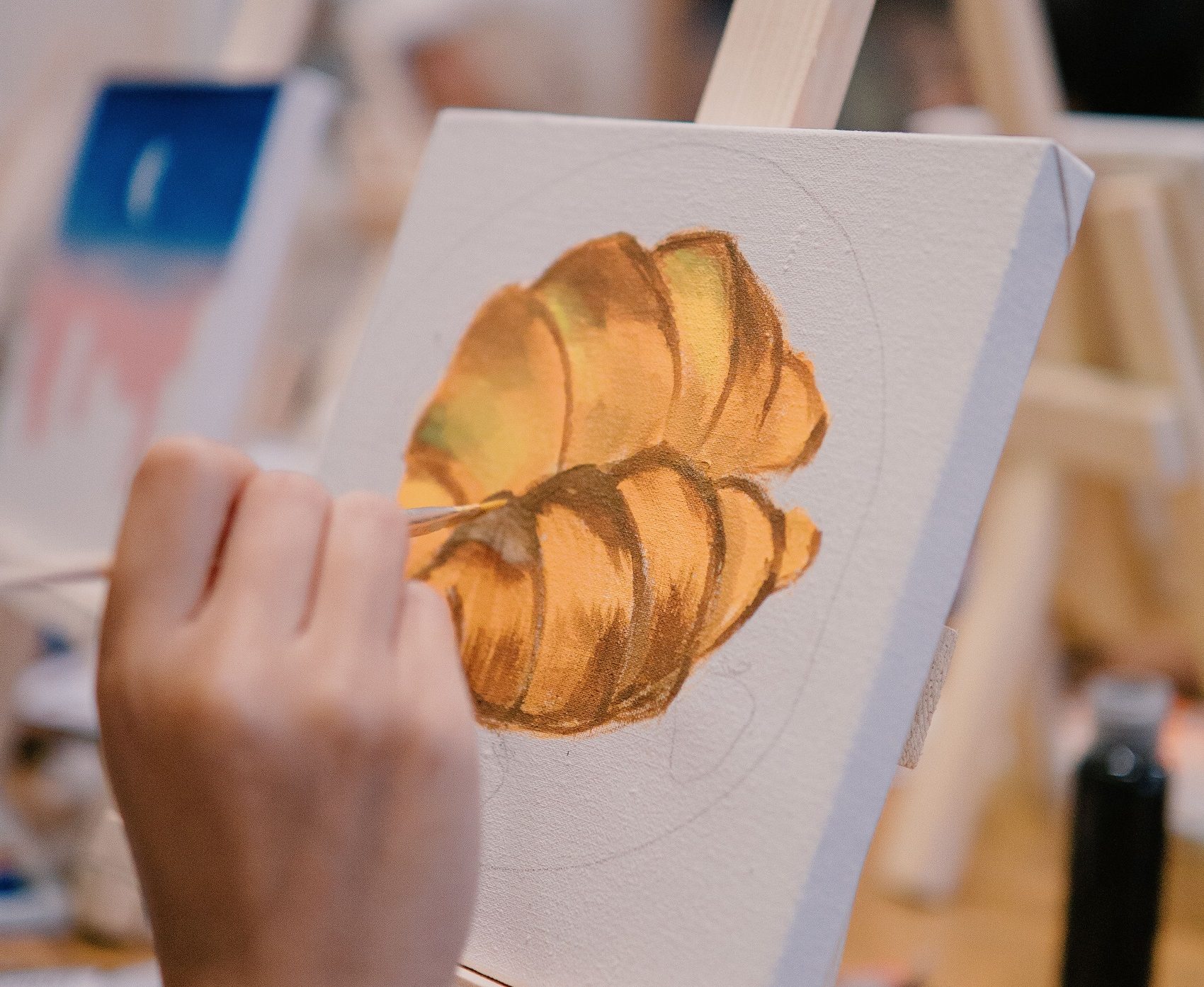
Anyone who has ever become completely absorbed in drawing, painting, sculpting, or creating something with their hands knows the feeling. The outside world begins to fade. Time loses its importance. Thoughts become quieter. For a while, there is only the process itself. This is one reason creativity has long been associated with healing. Beyond producing something beautiful, making art can regulate emotions, reduce anxiety, and create the same sense of presence that many people seek through meditation.
In recent years, researchers have increasingly explored the therapeutic effects of artistic expression. Studies have linked creative activities to reduced stress, improved emotional well-being, and better coping mechanisms during difficult life experiences. Art therapy has also been used to support people dealing with trauma, depression, chronic illness, and grief.
The healing power of art, however, is not limited to those facing major challenges. Creative expression can benefit anyone. Here are four reasons why making art may be one of the most underrated wellness practices of our time.
One of the greatest challenges of modern life is the constant stream of thoughts competing for our attention. We replay conversations, worry about the future, and create endless mental to-do lists. Art interrupts that cycle. When your attention is focused on blending colors, sketching a face, shaping clay, or experimenting with a new idea, there is less room for overthinking. The mind naturally shifts away from worry and toward observation. This is remarkably similar to what happens during meditation. Instead of becoming trapped in anxious thoughts, you learn to engage fully with what is happening right now.
Many people discover that creative activities allow them to access a state of mindfulness more naturally than traditional meditation ever could.
Psychologists describe “flow” as a mental state in which a person becomes completely immersed in an activity. During flow, concentration deepens, self-consciousness fades, and time seems to disappear. Creative activities are one of the easiest ways to enter this state. You may sit down intending to sketch for twenty minutes and suddenly realize that two hours have passed. During that time, the usual mental chatter often falls silent. Deadlines, worries, and everyday pressures temporarily lose their hold.
This is not simply distraction. It is a form of deep engagement that allows the brain to rest from constant analysis and self-judgment. In a culture that rewards busyness and productivity, flow offers something increasingly rare: mental freedom.
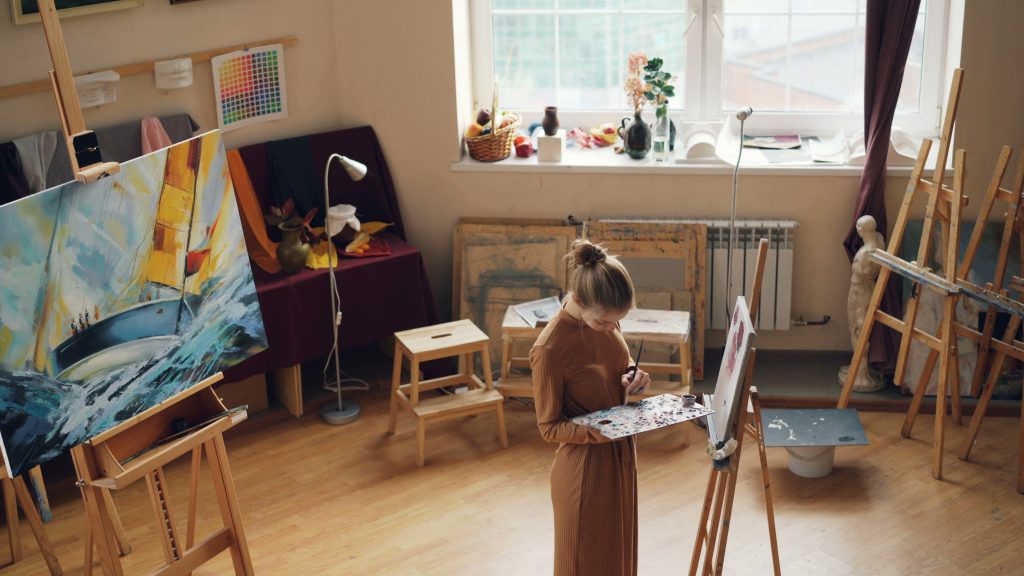
PH: Vitaly Gariev
Not every emotion can be explained. Some experiences are too complex, too painful, or too deeply felt to fit neatly into language. Art creates space for those emotions to exist without requiring an explanation. This is why creative expression can feel so relieving. A drawing, painting, collage, or sculpture can communicate feelings that might otherwise remain trapped inside us.
It also explains why art has such a profound effect on those who experience it. We do not need to know the story behind a painting or piece of music to feel moved by it. Art speaks through emotion rather than logic. Creating it allows us to connect with ourselves on that same level.
Many people spend their lives chasing happiness as though it were a destination. Yet lasting well-being often has less to do with dramatic highs and more to do with cultivating stability. Creative practice offers exactly that. Making art provides a consistent space to return to, regardless of what is happening in the outside world. It becomes a ritual of self-connection, a place where you can slow down, reflect, and reconnect with what matters. Over time, this simple act of showing up for your creativity can become deeply grounding. The artwork itself is almost secondary. What matters most is the relationship you build with the process.
Maybe that is why so many people leave a painting session, a sketchbook page, or an hour in the studio feeling lighter than when they began. Not because they escaped reality, but because they stepped out of the noise long enough to reconnect with themselves. In a world that rarely slows down, making art may be one of the most accessible forms of meditation we have.