
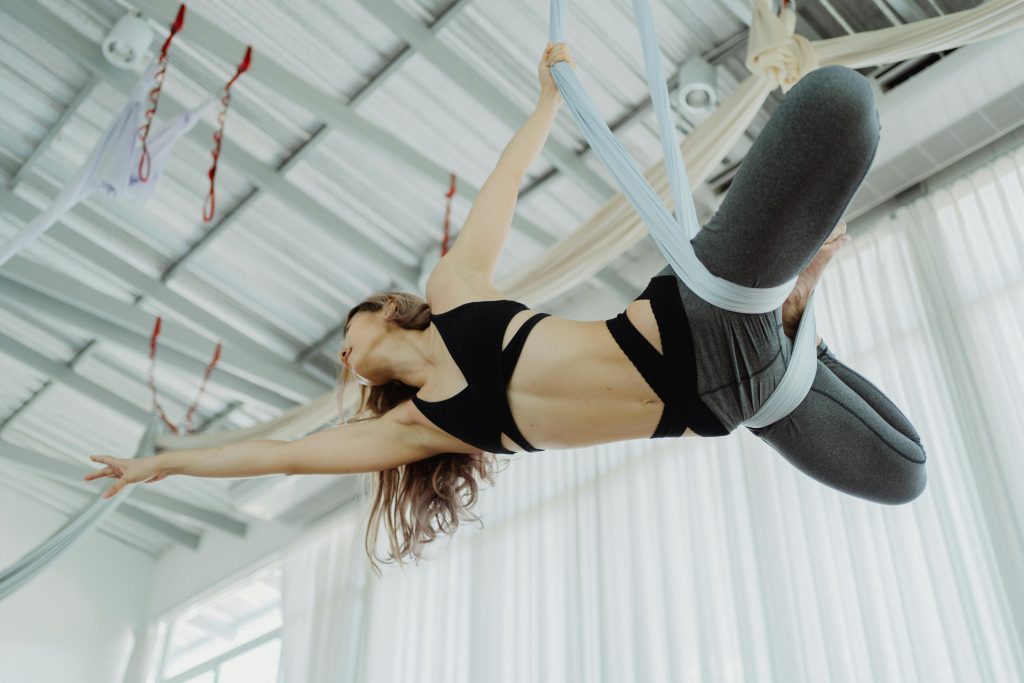
Art is not confined to canvas, clay, or music. It lives wherever expression finds a form: visual, sensory, or physical. Yoga, often seen as a spiritual or physical practice, belongs to this spectrum of art. In its fluid movements and mindful presence, yoga becomes a physical manifestation of creativity, a dance between body, mind, and spirit.
Just as a painter immerses in each stroke, the yogi immerses in each movement, each breath, each pose. The practice transforms into an elegant choreography, where flexibility, balance, and rhythm merge into a living canvas. The result is a space where body and creativity are inseparable.
Yoga is an ancient practice developed over thousands of years by various sages and practitioners in India, with roots dating back over 5,000 years. However, the sage Patanjali is widely considered the “Father of Yoga” for compiling and systematizing existing traditions into the Yoga Sutras around 200 BCE. It is more than exercise; it is motion with intention, a way to channel inner states into tangible expression. Each asana flows into the next like brush strokes across a canvas. The rhythm of breath guides the body, shaping movement with mindfulness and presence. This is why yoga resonates as a form of art. Like painting or dance, it allows the practitioner to embody emotion, focus, and energy. The elegance of continuous motion becomes both practice and performance, a silent story told in gestures and transitions.
In this way, the physical and the creative intersect. Flexibility in the body nurtures flexibility in thought. Awareness of subtle shifts in balance enhances awareness of subtle ideas and emotions. A single posture is no longer just a stretch — it is a medium for exploring the self, for expressing what may not yet have words.
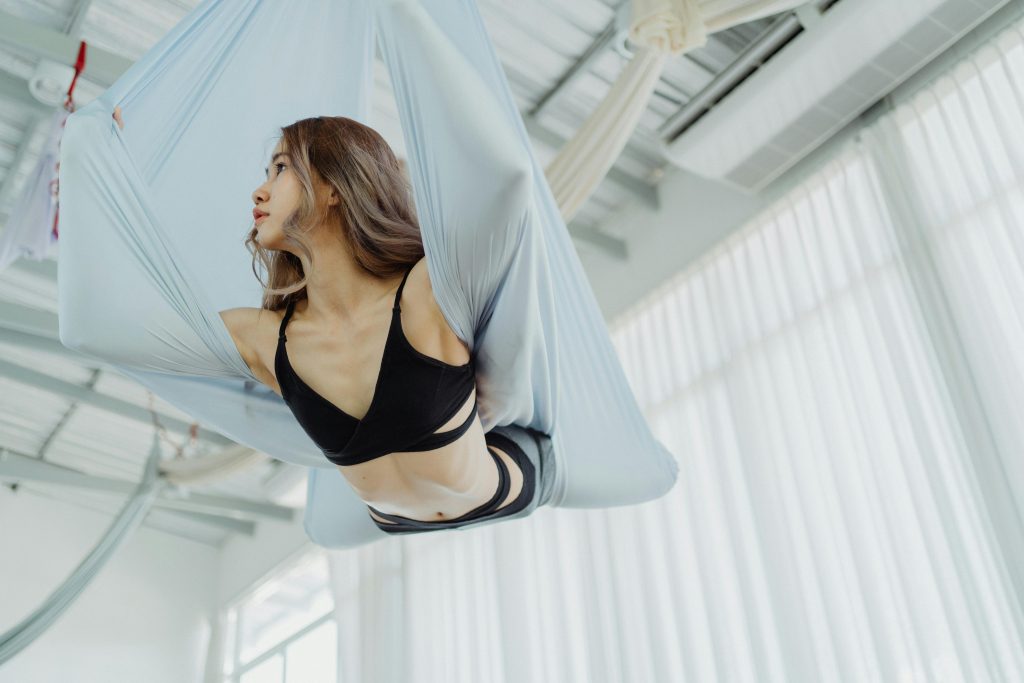
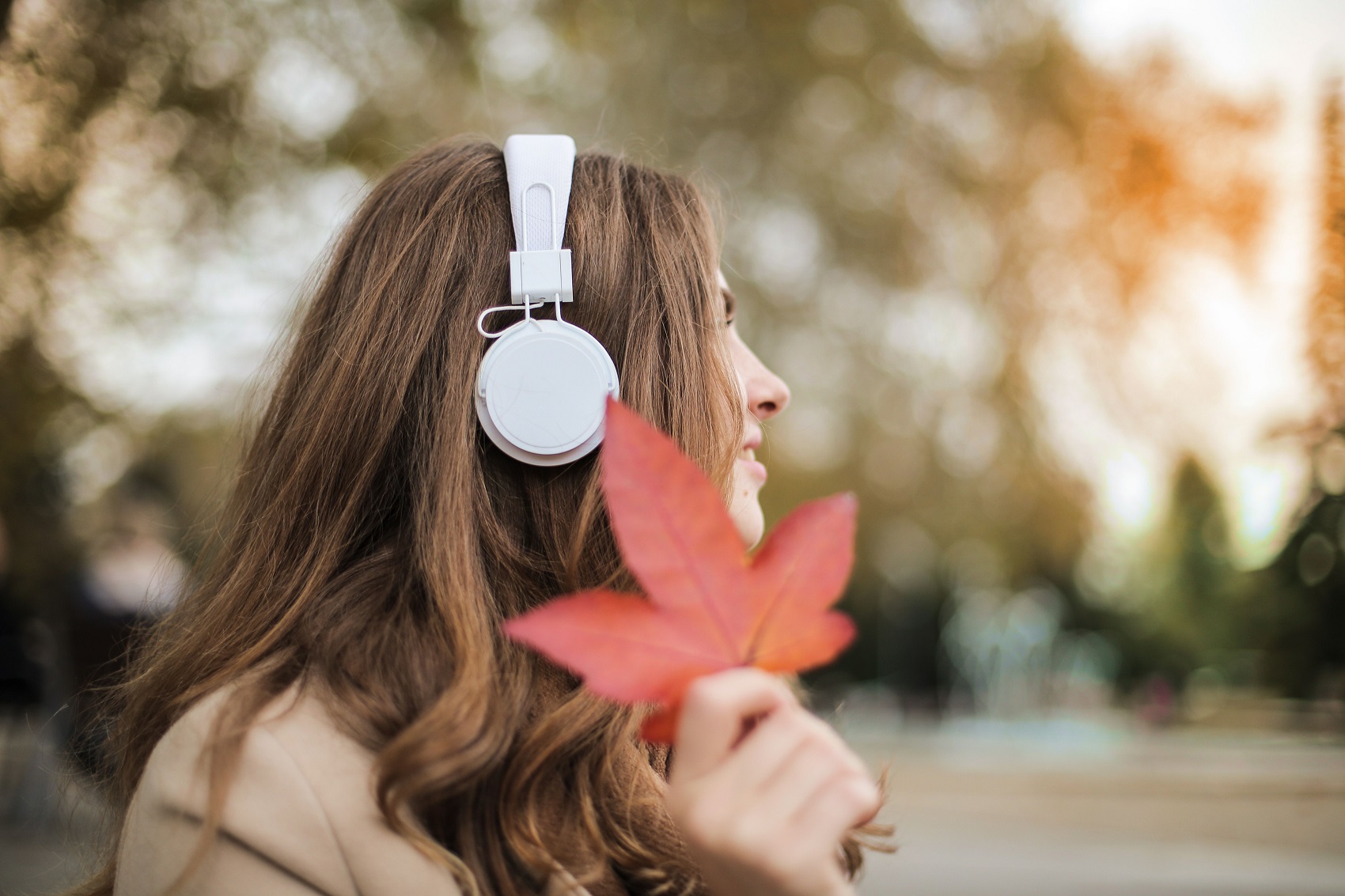
PH: Ketut Subiyanto
Yoga naturally serves as a conduit from the body to creative expression. Through movement and breath, inner impulses are translated into action, gestures, and even artistic creation. Even when the mind has not yet fully recognized these impulses, the body speaks, and creative energy begins to flow.
This approach frames yoga as a channel, a conversation between body and spirit. Each asana, each sequence, bridges the gap between mindfulness and expression, offering insight into personal creativity that might otherwise remain hidden.
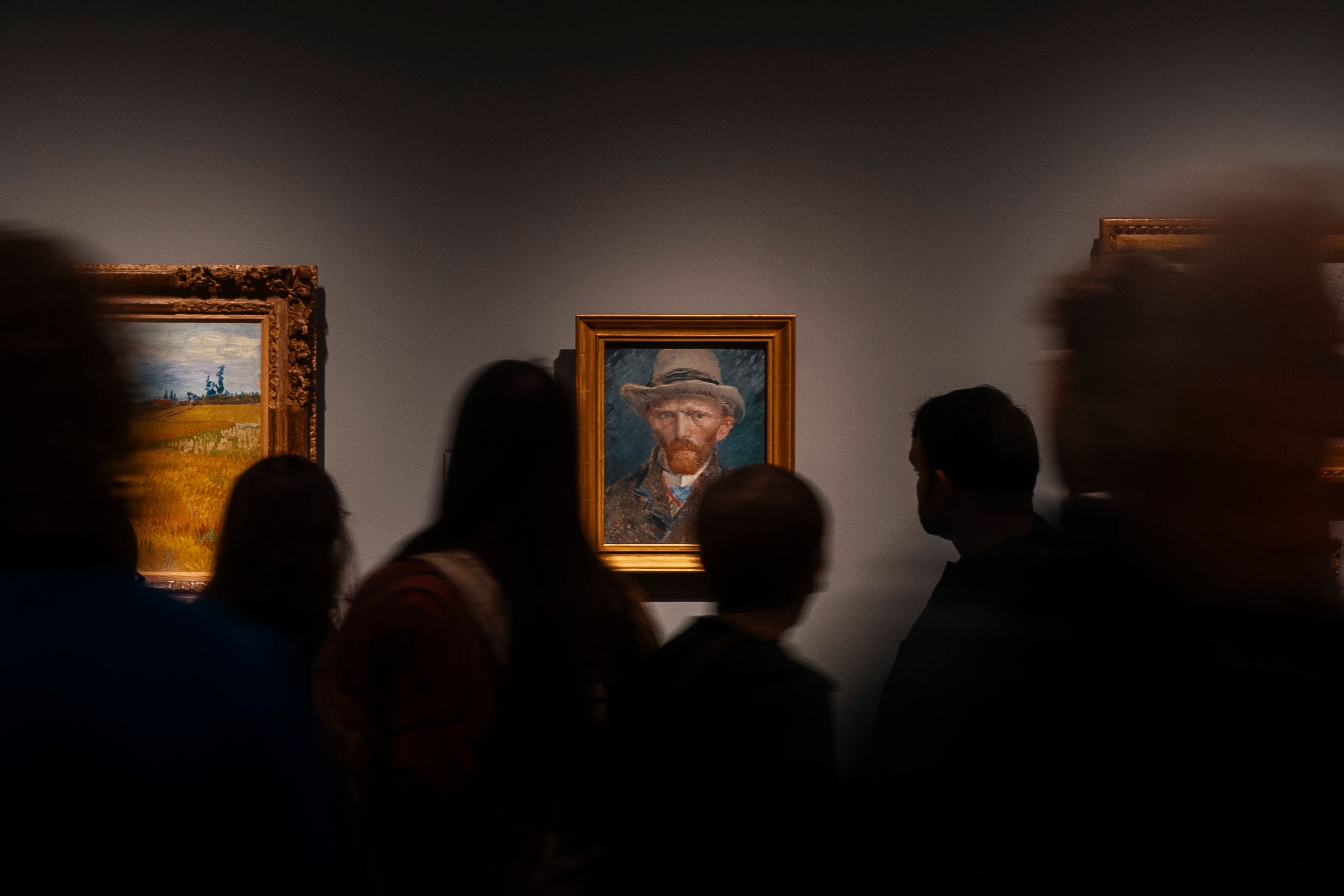
The experience mirrors how an artist interacts with their work. Standing before a painting for minutes or hours, the viewer finds stillness, sensitivity, and emotional resonance. Similarly, in yoga, time spent in conscious movement cultivates awareness of rhythm, form, and balance—not just in the body, but within oneself.
In essence, yoga is art. Just as dance, music, or painting offers a path to creative engagement, yoga provides a physical route to self-expression. Art exists around us, but it also lives within us, waiting for attention and awareness. By moving, breathing, and engaging with the body, we unlock that inner landscape, discovering depth, emotion, and inspiration.
Engaging fully in yoga or any artistic practice allows us to understand ourselves more deeply. We experience joy in creation, whether through a brush, a melody, or the eloquence of our own movement. The practice reminds us that art is not only what we produce—it is how we inhabit the world, how we experience and express the life we live.
Yoga, then, is both practice and performance, meditation and expression. It teaches us that creativity is not confined to the mind—it is in the body, the breath, and the rhythm of motion. Through yoga, we step into a living form of art, one where every movement becomes a stroke, every pose a note, and every breath an opportunity to create.