

Art, by its very nature, invites exploration, curiosity, growth, and freedom. Within Art Therapy, this expressive power becomes a meaningful tool for understanding and communication. It offers an alternative language for those who struggle to articulate their thoughts and emotions, creating space for expression beyond words.
According to the American Art Therapy Association, art therapy can support both physical and psychological well-being, ease stress, and help address a wide range of mental health challenges.
Here are fifteen thoughtfully selected books that can guide and inspire both aspiring and practicing art therapists.
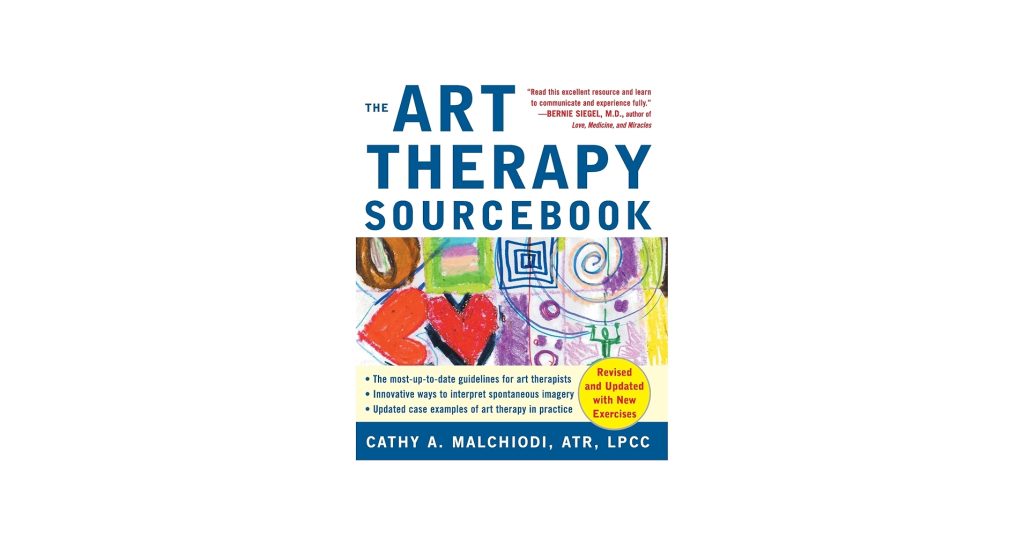
True to its title, The Art Therapy Sourcebook offers a comprehensive introduction to the field, covering its core principles and practical applications. Written in a clear and accessible manner, it is especially well suited for those at the beginning of their journey.
The book functions both as a supportive guide for individuals seeking healing through creative expression and as a resource for practitioners looking to deepen their approach. It also explores how to create environments that nurture creativity, alongside thoughtful insights into understanding and interpreting artistic expression.
Art Is a Way of Knowing presents art as a pathway toward self-discovery and deeper awareness. Drawing from her experience teaching in the Art Therapy Program at the School of the Art Institute of Chicago, Allen offers an experiential and practice-oriented perspective on the field.
The book combines practical guidance with reflective insight, outlining materials, processes, and ways to begin creative work such as drawing or sculpture. Alongside these elements, Allen weaves in personal reflections, illustrating how art therapy has shaped both her professional path and inner life.
A The New York Times bestseller, Your Brain on Art examines the intersection between creativity and neuroscience, highlighting how artistic engagement can shape both mind and body.
Magsamen and Ross draw on scientific research to show that even short periods of creative activity, as little as forty-five minutes, can significantly reduce stress and support overall well-being. Blending evidence with accessible insight, the book encourages readers to integrate the arts into daily life as a way to foster personal health, strengthen communities, and cultivate a more balanced, connected world.
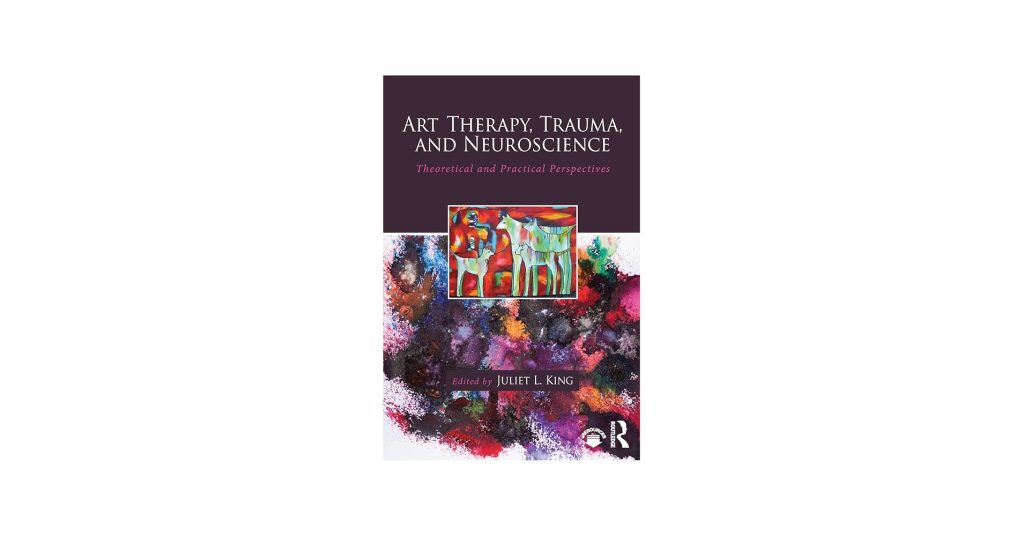
Part of the Routledge Mental Health Classic Editions, Art Therapy, Trauma, and Neuroscience offers an in-depth exploration of the relationship between creative practice, trauma, and the brain. King brings together theoretical perspectives and applied methods to illustrate the role of art therapy in the process of trauma recovery.
Grounded in developments within Neuroscience, the book examines how creative expression can support healing, reintegration, and resilience in those who have experienced trauma. Through case studies and practical examples, it provides a structured framework for understanding the neurobiological dimensions of trauma, alongside art-based interventions that contribute to restoring emotional balance and well-being.
Child Art Therapy is widely regarded as a foundational resource for understanding techniques and applications of art therapy with children. Although first published in 1978, it continues to be used in academic settings and as a reference for counselors, social workers, and art therapists.
The book offers practical guidance on fostering development, setting therapeutic goals, and evaluating progress in work with children. It also addresses approaches for supporting children with diverse needs and abilities, while providing a broader perspective on the role and value of art therapy in early emotional and psychological development.
Essential Art Therapy Exercises offers a practical and accessible approach to using creative expression as a tool for emotional support. Designed for both individuals and practitioners, the book focuses on structured exercises that address challenges such as anxiety, depression, and Post-Traumatic Stress Disorder.
Guzman brings together a range of guided techniques that encourage self-exploration and reflection, positioning art as a means of processing emotions and building resilience. Through these exercises, readers are invited to engage in a thoughtful process of self-discovery, using creativity as a pathway toward healing and inner balance.
This practical guide brings together a wide range of art therapy exercises and methods suitable for both clinical settings and everyday use. Art Therapy Techniques and Applications leads readers through warm-up activities, targeted interventions for different emotional and psychological needs, and even the integration of technology within therapeutic practice.
The book also addresses essential aspects of the process, including setting therapeutic goals and evaluating progress, offering a structured yet flexible framework for working with art as a tool for healing and self-understanding.
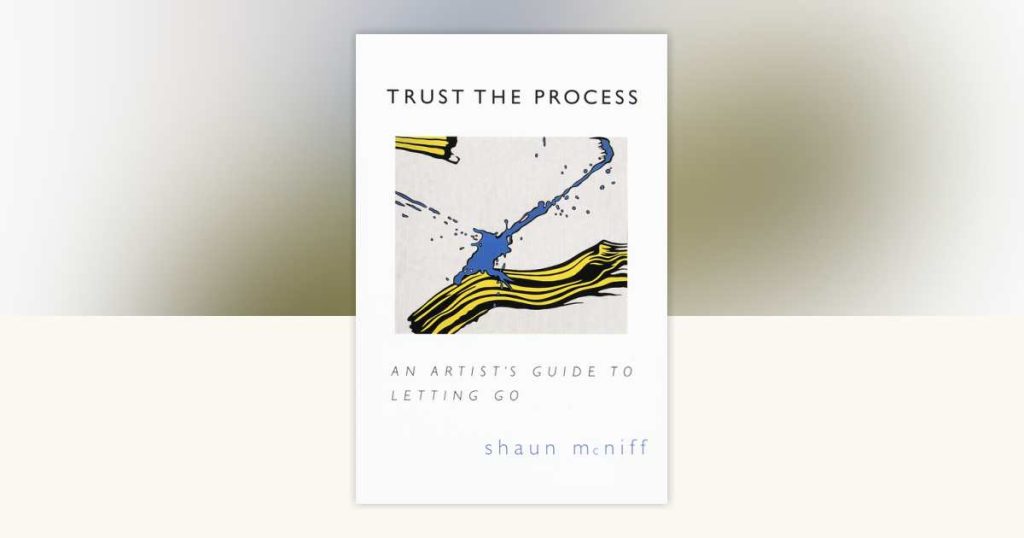
In this reflective work, McNiff explores the nature of the creative process and the innate creative spirit present in every individual. He examines how this inner resource can be engaged to navigate challenges and uncover meaningful solutions in both art and life.
Trust the Process invites readers to move beyond self-imposed limitations, addressing resistance and fear with openness and curiosity. It also offers insight into personal growth and transformation as they unfold through creative practice and within Art Therapy.
The Wiley Handbook of Art Therapy stands as a comprehensive reference work, offering an extensive overview of the field through contributions from leading specialists. The volume brings together diverse perspectives, covering theoretical foundations, assessment methods, and a wide range of treatment approaches.
It also examines how Art Therapy is applied across different populations and contexts, making it a valuable resource for students, practitioners, and researchers seeking depth and breadth in their understanding.
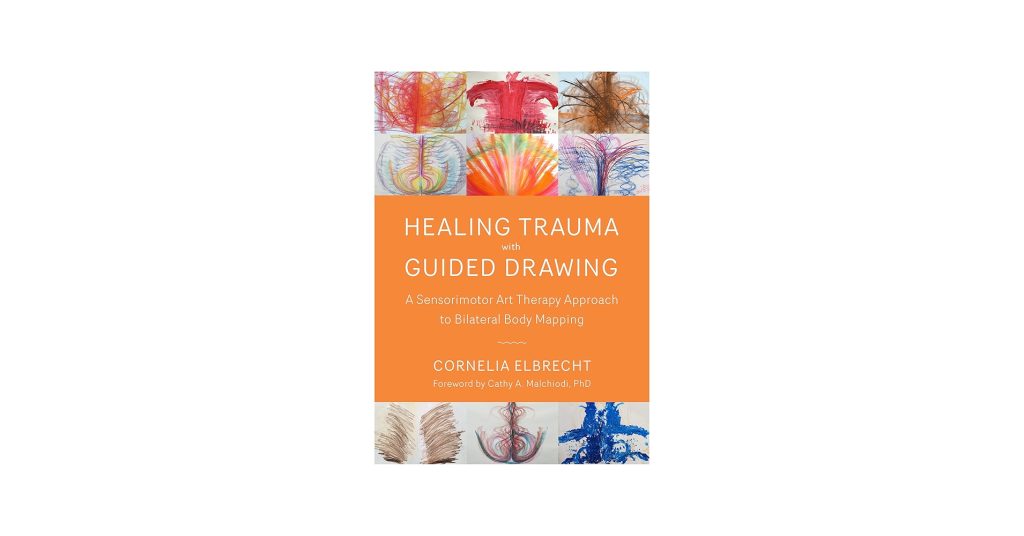
This trauma-informed guide introduces a sensorimotor approach to art therapy, centered on a method known as bilateral body mapping. Through structured drawing processes, the book explores how nonverbal expression can support the processing of traumatic experiences.
Elbrecht presents guided techniques that allow clients to access and express emotions beyond language, offering an alternative pathway to healing. As a practical resource, it is particularly valuable for art therapists interested in integrating body-based and trauma-sensitive methods into their work, expanding their approach to emotional recovery and resilience.
This volume offers contemporary insight into working with transgender and gender-expansive youth within Art Therapy. Through case studies and creative approaches, it supports practitioners in creating inclusive, affirming therapeutic spaces for clients of all gender identities.
As a practical resource, the book helps art therapists better understand and respond to the specific needs of a vulnerable population, emphasizing the importance of affirmation and sensitive, individualized care.
Positioned at the intersection of art therapy and Criminology, Art on Trial explores an unconventional application of the field. Gussak recounts his involvement in a capital murder case, where he was asked to analyze a suspect’s artwork through a forensic art therapy lens.
The book offers a compelling perspective on how artistic expression can be used to assess mental states, expanding the understanding of art therapy beyond traditional clinical settings.
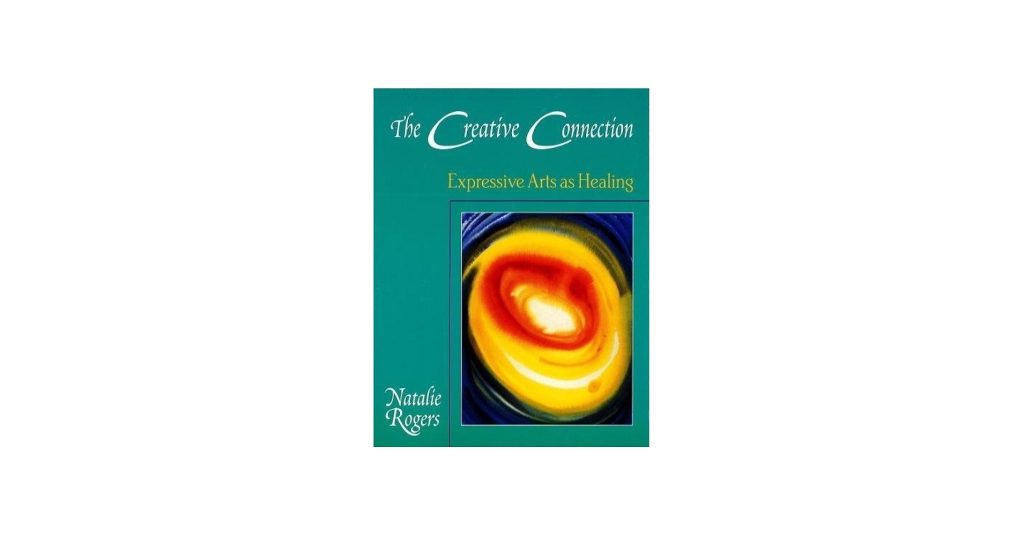
Written by an expert in expressive arts therapy, The Creative Connection presents a holistic approach to healing through creativity. Rogers explores how different forms of artistic expression can be integrated with other therapeutic modalities to support emotional growth and self-awareness.
This work is particularly valuable for therapists seeking to broaden their practice, offering a thoughtful framework for combining creativity with personal development and transformation.
This accessible workbook provides a range of creative exercises and prompts designed to help individuals navigate intense emotions in a safe and supportive way. Created by a licensed art therapist, it serves as a practical extension of therapeutic work beyond the session.
Art therapists can use it as a complementary resource, encouraging clients to engage in self-expression and reflection between sessions while strengthening emotional awareness.
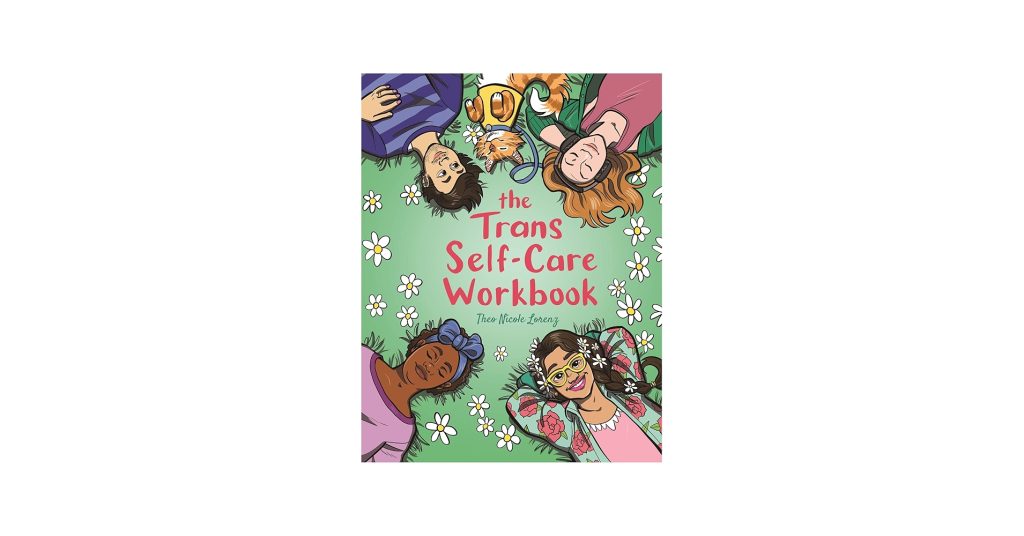
Blending elements of a coloring book with guided self-reflection, The Trans Self-Care Workbook centers creativity as a means of empowerment and personal exploration for trans and non-binary individuals.
Although not written by a licensed art therapist, it offers a supportive and affirming tool that professionals can recommend as a take-home resource, complementing therapeutic work through accessible, creative self-care practices.