
Art, Cecil Carpenter says, is a language. And once you learn to understand it, you can never unsee it. From expressive portraits to sculptural creations, his work channels emotion, story, and the subconscious. Music, metal, clay, and oil each contribute their own voice to the conversation.
In this interview, Cecil Carpenter reflects on why art, more than words, remains the truest way he knows how to answer life’s questions, gently reminding us that we each must find our own language.
1. When was your first experience with art, and can you walk us through your journey of becoming an artist?
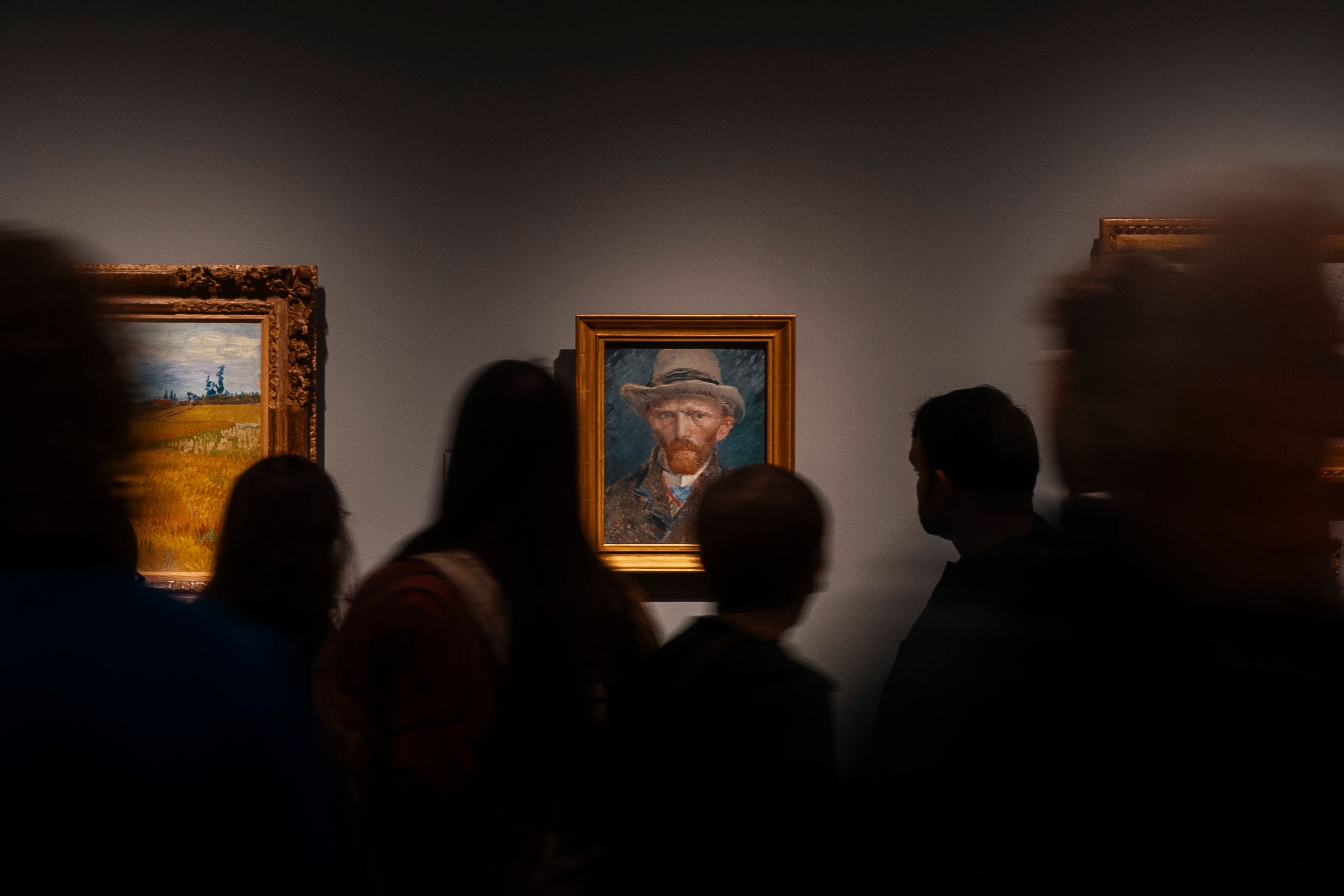
Cecil Carpenter: My first experience of ‘Art’ with a capital A was probably through my first art class I took in high school when I was 16 years old. Of course I had been to museums and seen plenty of ‘art’ as a kid but I didn’t appreciate it or understand what I was looking at until that semester with my teacher, Mrs. Carrico. Art, whether it’s sculpture, painting, music, architecture, or any other form, is a language, and if you don’t understand what is being said you will not be able to appreciate its actual depth. It’s like watching a movie in a foreign language with no subtitles. What that first art class opened my eyes to was the language of visual art, and once I saw that, I was hooked, and I’ve been learning that language ever since.
2. You are a multidisciplinary artist, known for expressive drawings, figurative sculptures, and music. Do you feel more connected to visual art, or does music speak to your soul more?
Cecil Carpenter: I feel connected to both, really. Each has its own strengths and limitations. Regarding set and setting, like at a joyous wedding for example, it’s difficult for art to compete with music. And in moments of deep sadness, music often feels like the most immediate form of expression. However outside of set, setting, and time, visual art holds a different kind of power. I could look at a sculpture I like every day for years on end and not tire of it. With music, the relationship is more immediate and intense, but also more tied to moment and repetition. Both speak to my soul, but for different reasons.
3. Which of your works are you most proud of, and why do they stand out to you?
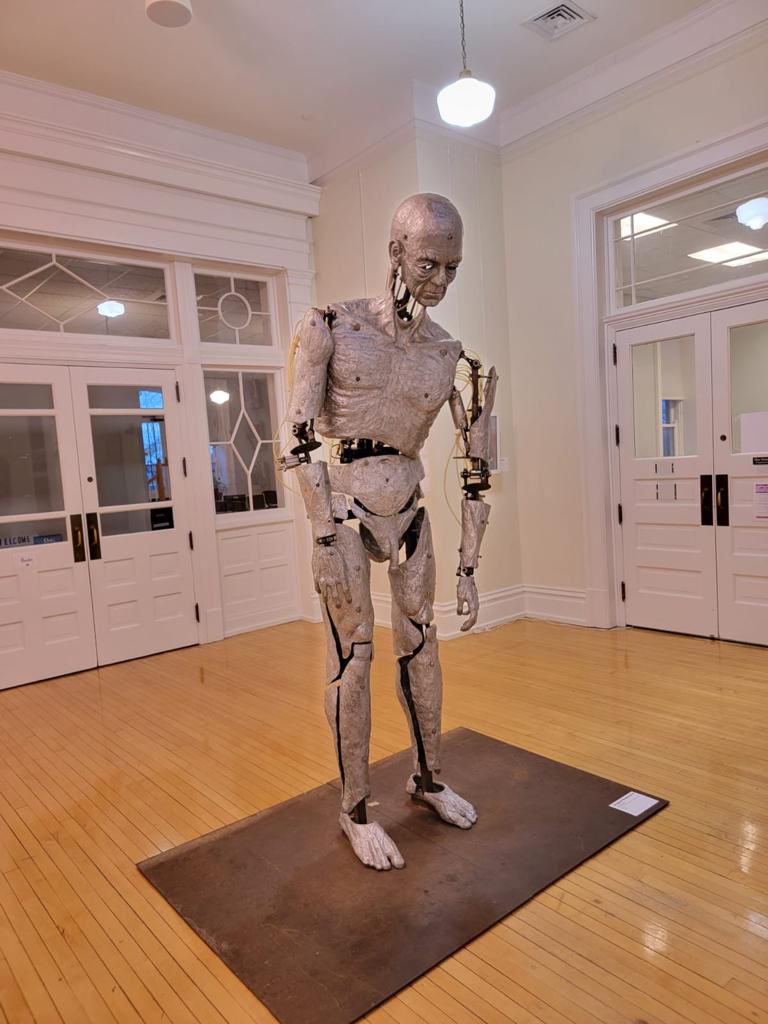
Cecil: I’m most proud of the statue I made for my senior thesis project, taking 9 months to make, titled Designed Obsolescence. It is an over 2 meter tall cast aluminum and welded steel statue that moved using 16 pneumatic cylinders. I sculpted it to look like an elderly man, and designed it with a ‘lifespan’ of 10 years, the same way manufacturers design specific lifespans for their products, hence the title Designed Obsolescence. It is a commentary on how our bodies are all given a finite amount of time, and a commentary on the ‘immortality’ that most people associate with statuary.
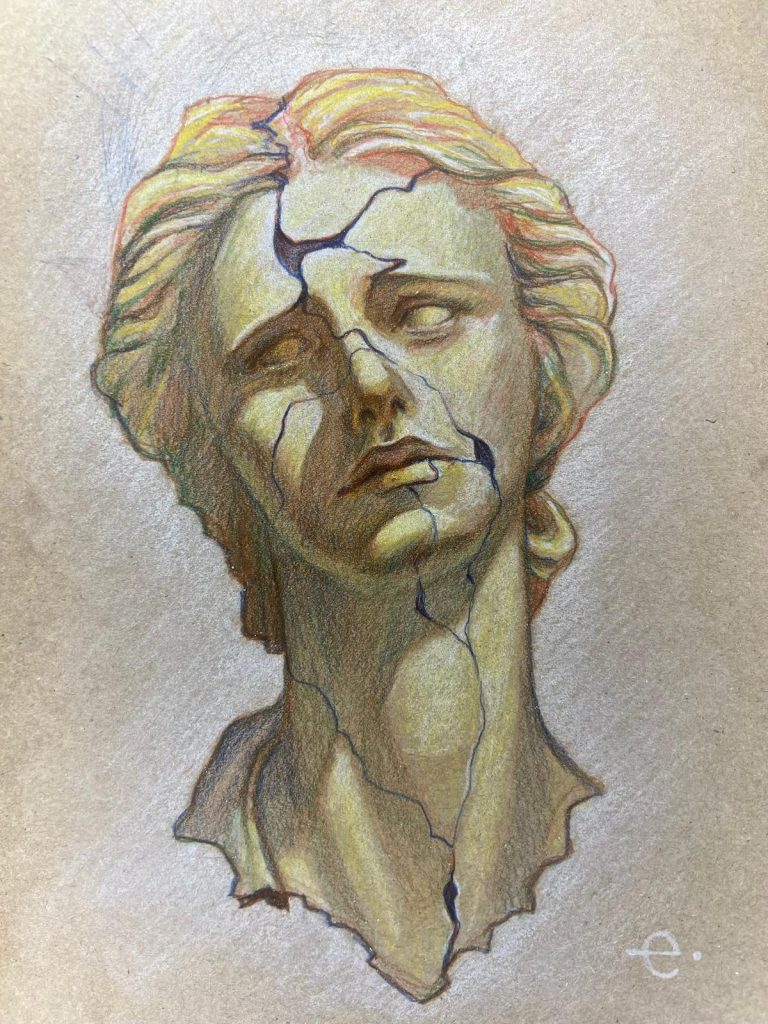
4. When you draw or sculpt faces, are there particular emotions that captivate you or that you love to bring to life? I see so much emotion in these works.
I have always been drawn to faces, specifically elderly faces. I believe people’s lives and stories become etched in their portraits, and become their own kind of language. I never use references when sculpting faces, and only rarely while drawing them, because I feel like I am channeling a story. I get into a flow state and before I realize what’s happening someone is looking back at me. It’s then my job to get to know them and tell their story.
5. When you start a new drawing, sculpture, or composition, do you ever let the work surprise you, or do you always have a clear plan?
I almost always let the work surprise me. When making art, I find that the mind can be your enemy if you’re trying to create something with soul. The mind is needed for design of course, but soul is needed for meaning.
6. Is there a song, smell, or place that instantly sparks your creativity?
I would say that hearing songs, almost any song, gives me musical creativity for making new songs. But when I smell Roma Plastilena, a specific type of clay, I am immediately transported to my sculpture studio from college, a very creative place and time for me. The same with smelling linseed oil, a medium used in oil painting that also reminds me of my old studio.
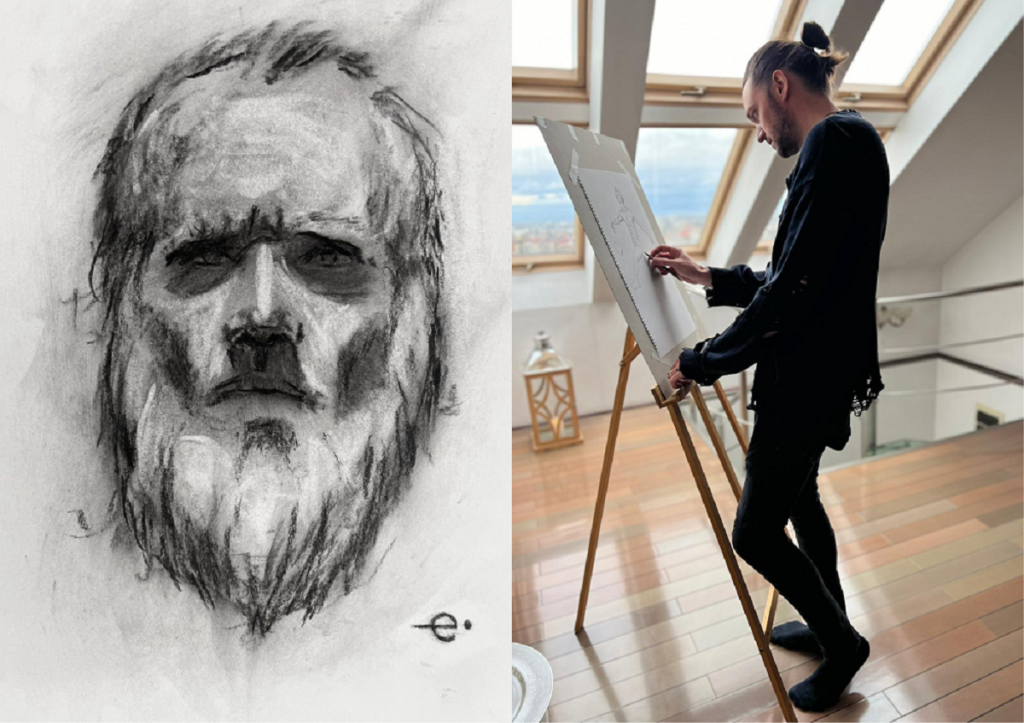
Head of Saint Denis
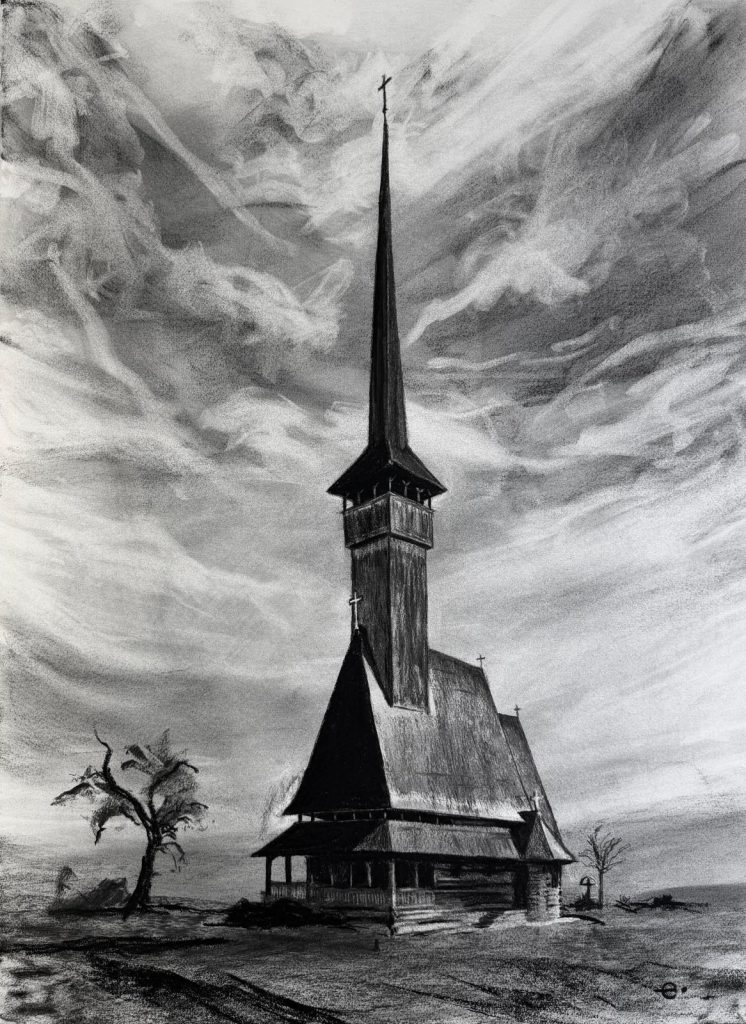
Silent Ascent
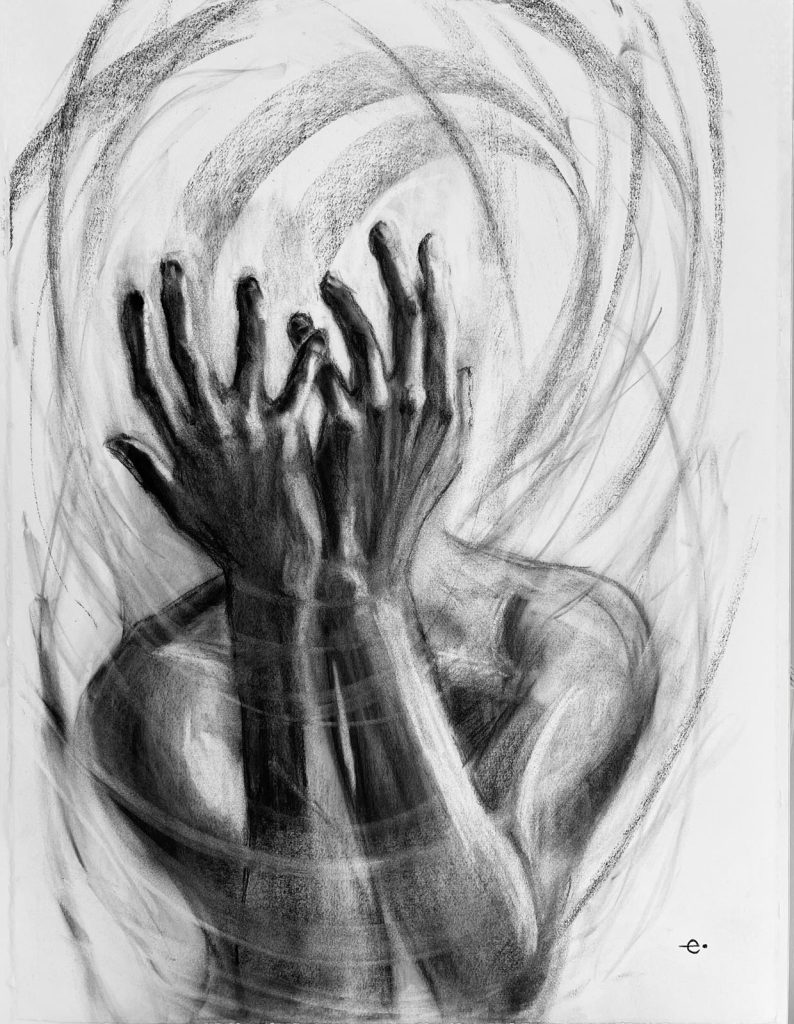
Cognitive Dissonance
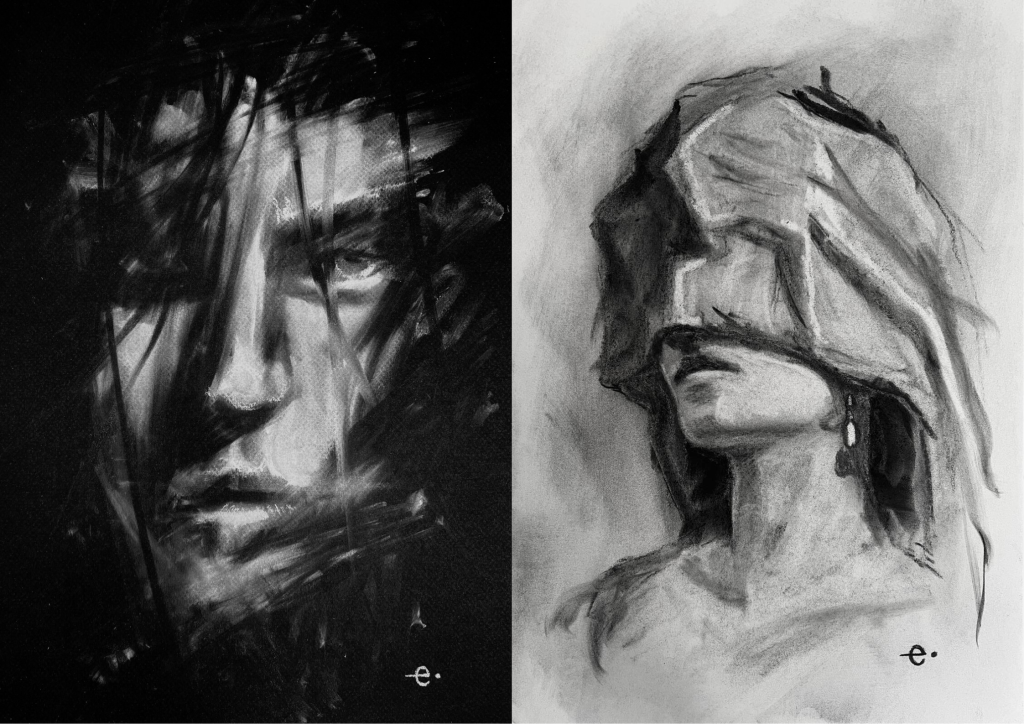
Occulta & Sister of Silence
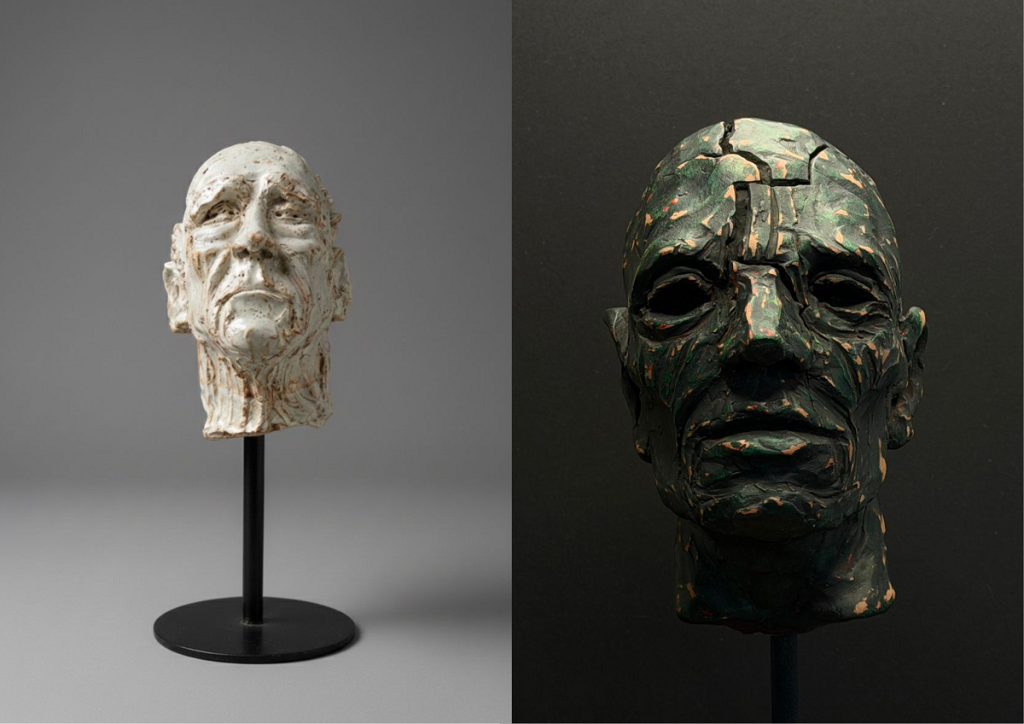
Aristotle & Proclus
7. Has art ever saved you in a moment when nothing else could? How does creating art help you process feelings that words alone cannot express?
Art has saved me multiple times. They say a picture speaks a thousand words and even though it’s a cliche I find it to be true. Language can be very limiting, you need your mind to understand it, visual art is not limited in that way and can speak a more subconscious language of the soul. There are many things I’ve made that I know the meaning of, but could never explain in words, because it was written in a subconscious language that my soul needed to express. The nice thing about art made in that way is that it can be understood in different ways by different people, without words getting in the way. It is the best way to express the ineffable.
8. What can a person gain from art that nothing else can give them?
Art gives twice, once to the creator, and once to the observer. In both cases, art makes something tangible that was once inexpressible. Done well, it touches something in the viewer that they didn’t know existed within them. The creator receives the same gift, as no work of art emerges as it was initially visualized, and it always feels like something beyond had a hand in it. At least, that’s how it feels for me—a kind of supernatural collaboration.
9. What’s the strangest or funniest thing a muse, model, or subject has ever done while you were working?
Almost all of my works are done without reference, and when I have worked with models in person I can’t say anything strange or funny has ever happened. However, when visualizing the people I’m drawing or sculpting in my mind, they frequently speak to me, and that is always funny and strange.
10. Is there a question you’ve always wondered about but never found the answer to? Maybe our readers can find an answer, or help us…
As far as I’m concerned there are no real answers expressible in words—art is the only real answer available—and it is available to all of us whether we understand its language or not.