

Architects and designers are trained to speak the language of structure, logic, and solutions. They present concepts, defend budgets, and translate emotion into drawings that must make sense to others. Yet behind the professionalism lies a quieter world of private pleasures, habits, and sensitivities that rarely make it into presentations or client meetings.
These are not guilty pleasures. They are the invisible threads that keep creative minds alive and curious. From obsessive attention to detail to an emotional response to space itself, these are the secret design loves that only those inside the profession fully recognize.
Design does not begin with what we see, but with what the body senses first. Architects and designers are instinctively drawn to spaces that regulate rather than impress, places where proportions slow the breath, light softens the gaze, and materials feel grounding without demanding attention. Long before a space is described as beautiful or innovative, it is experienced as calm, tense, or overwhelming. This sensitivity often remains unspoken, yet it quietly guides countless decisions, from the distance between walls to the choice of color. A well designed space works silently, allowing the body to settle before the mind begins to analyze.

PH: Eugenia Remark
Few things bring as much quiet joy as a layout that aligns effortlessly. Symmetry, balance, and proportion are not just visual principles. They are felt in the body. When something is off, designers notice instantly. When it is right, it brings a sense of calm that is difficult to explain to anyone outside the field. Even a perfectly aligned door handle or window frame can elicit an unexpected thrill, the kind that makes hours spent on minutiae feel completely worth it.
Designers can spend hours adjusting a shadow, refining a junction, or softening a line in a rendering. They know most people will never notice the difference. Still, they do it. Because knowing something is right matters, even when it remains invisible. It is a private form of craftsmanship, a reassurance that the work carries integrity even in the smallest elements.

PH: Amar
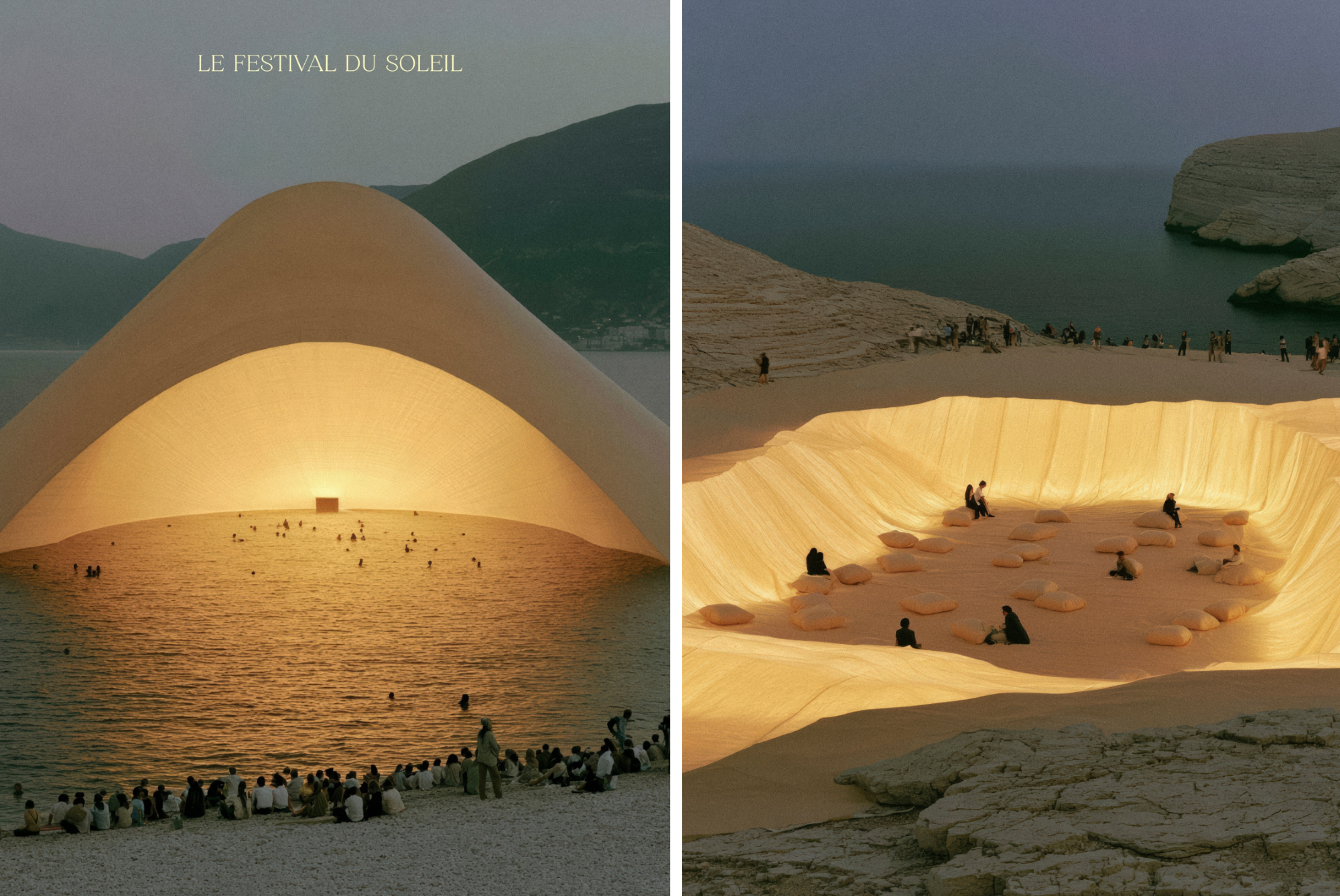
Designers often turn to movies and video games to feed their imagination. Films provide lessons in lighting, mood, and spatial storytelling, while video games create immersive, three-dimensional worlds that explore scale, circulation, and atmosphere in ways real life sometimes cannot. From the urban dystopias of Blade Runner to the fantastical landscapes of The Legend of Zelda, designers extract subtle cues about movement, proportion, and human experience. These sources often spark ideas for material choices, textures, and spatial narratives that make their projects feel alive, cinematic, and emotionally resonant.
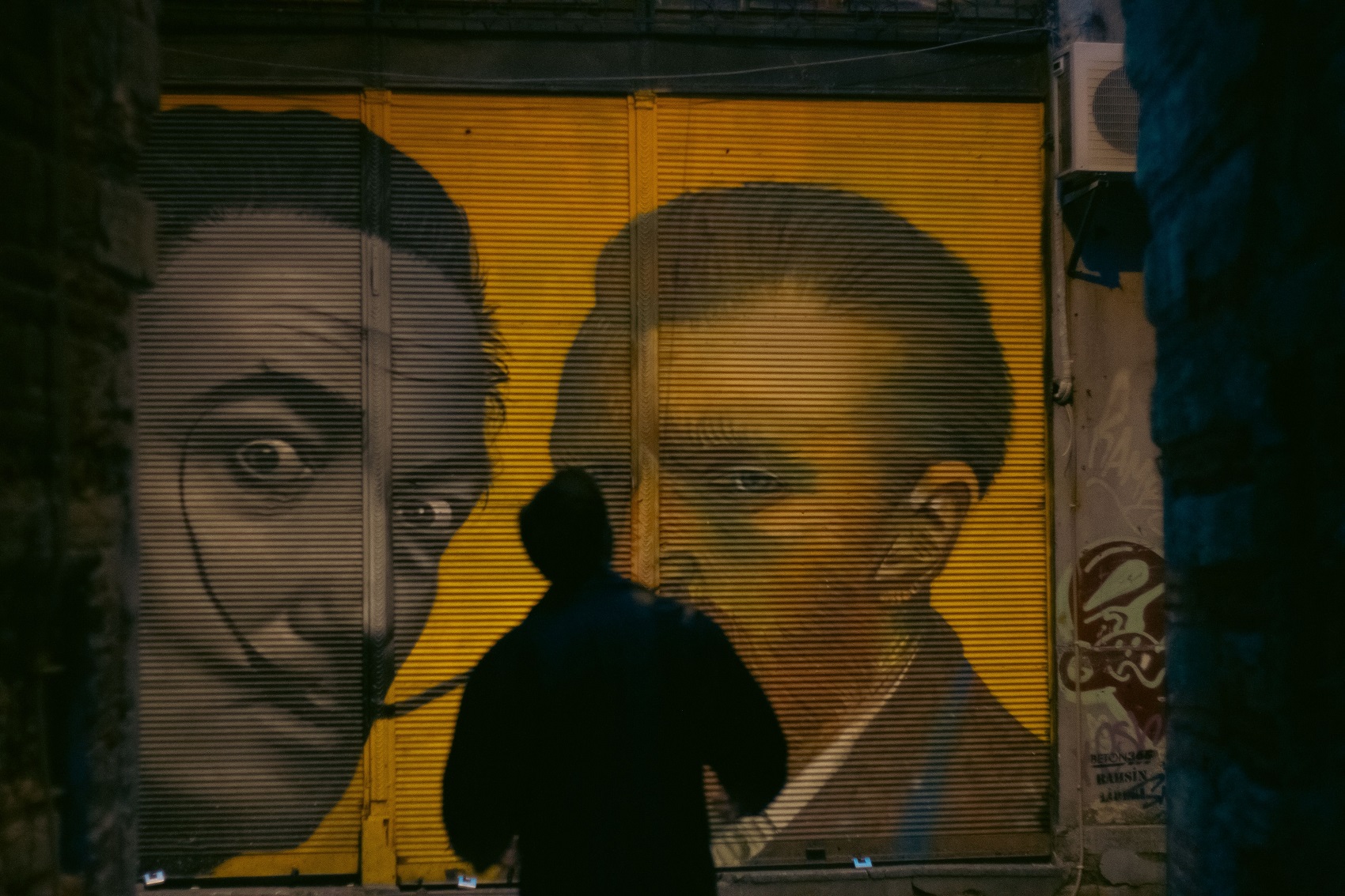
Once a project is complete, many architects return not as professionals, but as observers. Camera in hand, they wait for the right light, the right moment, the right stillness. Photographing a space is a way of seeing it anew, finally detached from deadlines and decisions. Shadows cast on the floor, reflections in glass, and the way light caresses textures all tell stories that plans cannot capture.

PH: Mitchel3uo
There is something magnetic about seeing a building emerge layer by layer. Steel, concrete, dust, noise, and repetition slowly turn into form. For designers, this transformation never loses its magic. It is the moment where imagination meets reality. They often pause to watch a wall being raised or a joint being fixed, finding satisfaction in the slow rhythm of creation that parallels the slow evolution of their own ideas.
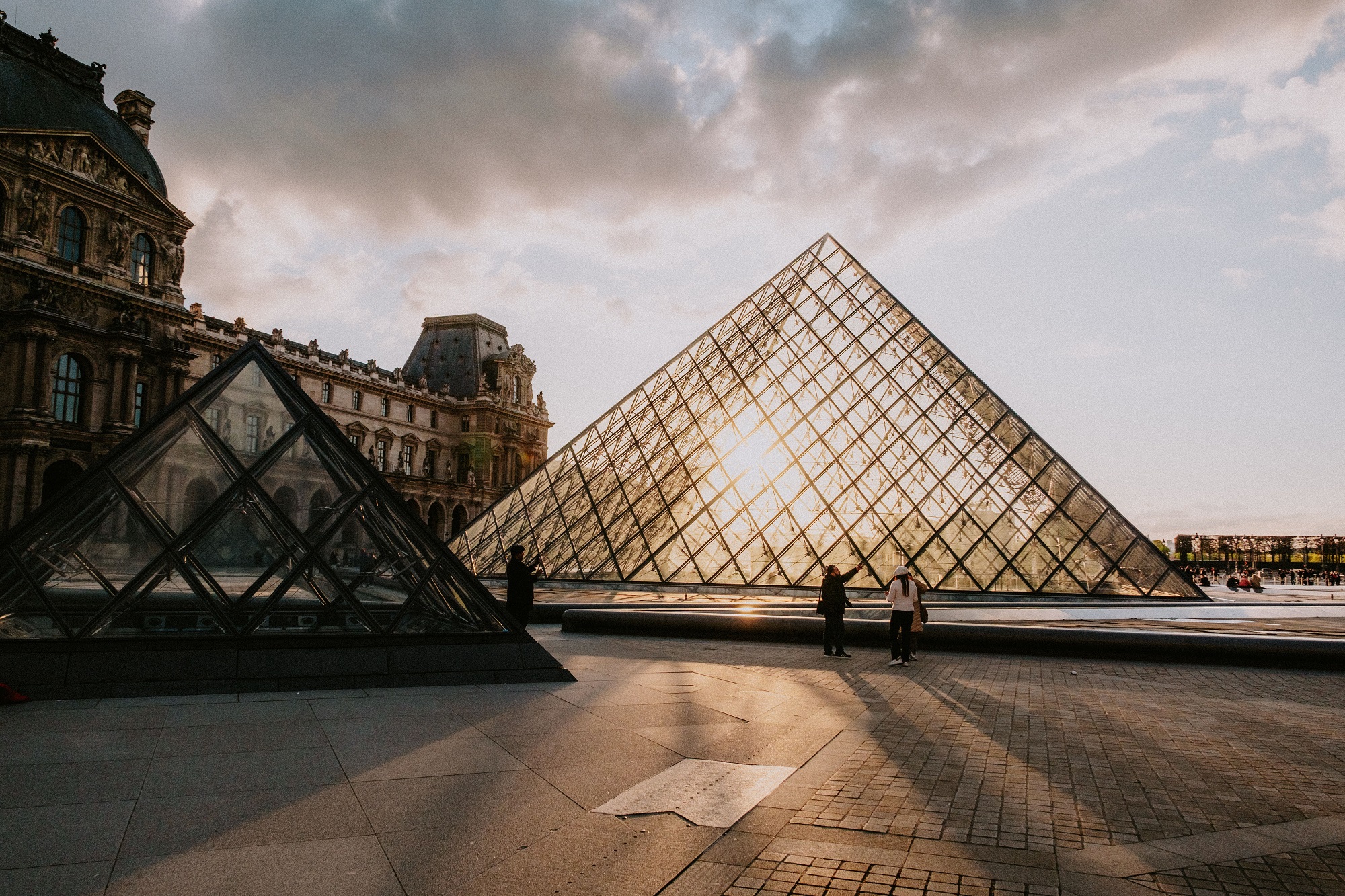
Vacations are rarely just vacations. Architects notice how light enters a room in a foreign city, how materials age, how people move through space. Inspiration hides in door handles, staircases, cafés, and forgotten corners. Even an alleyway can reveal a principle of proportion or texture that finds its way into future designs. The world becomes an open archive of ideas, each moment a potential spark.
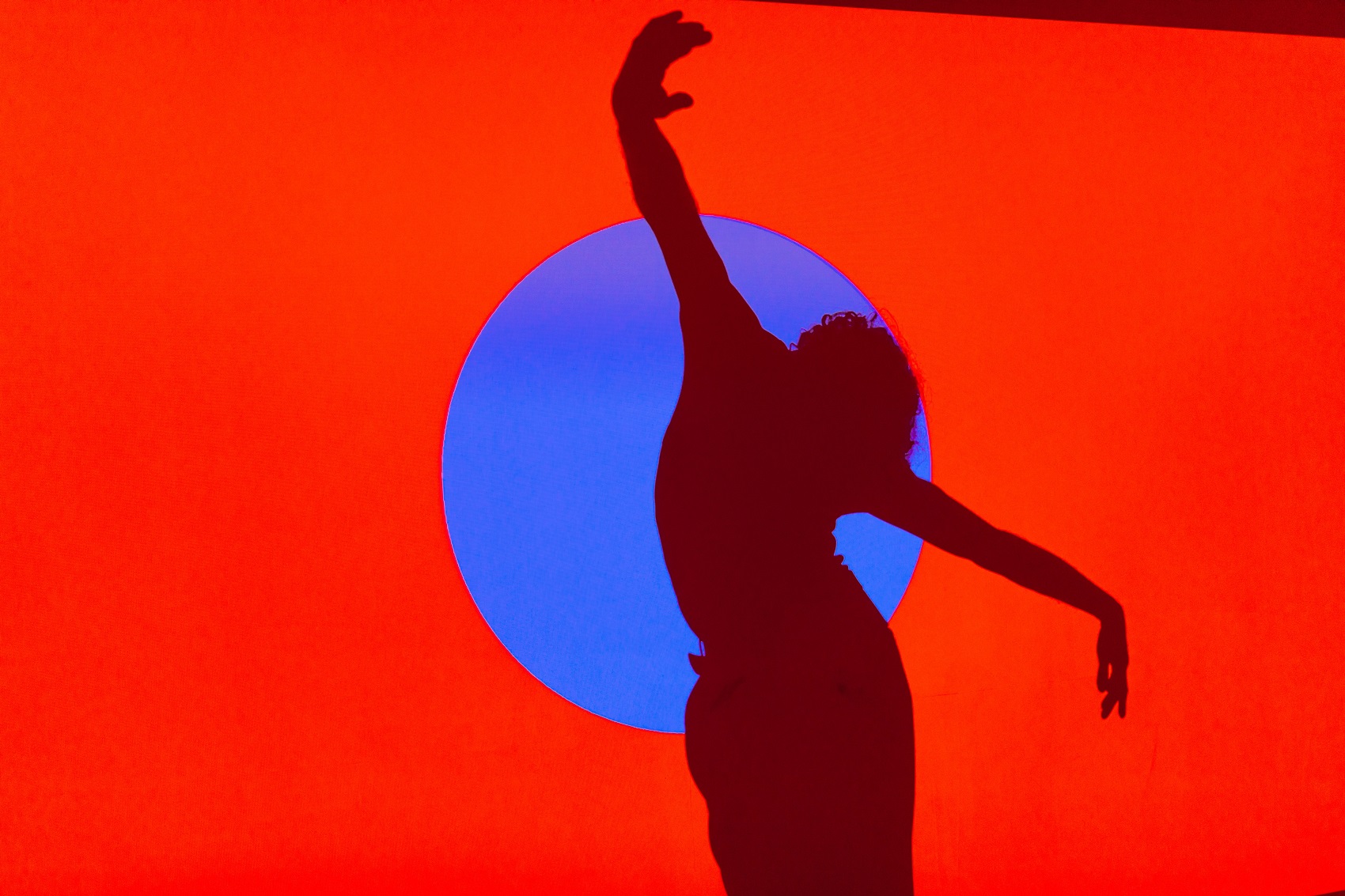
Color theory is a quiet obsession. Designers understand that white can be warm, cold, heavy, or soft depending on context. Choosing the right shade is less about trend and more about atmosphere. It is an emotional decision disguised as a technical one. One wall in one light can feel welcoming, while the same tone elsewhere can feel sterile, and only a trained eye truly notices the difference.

PH: Suju
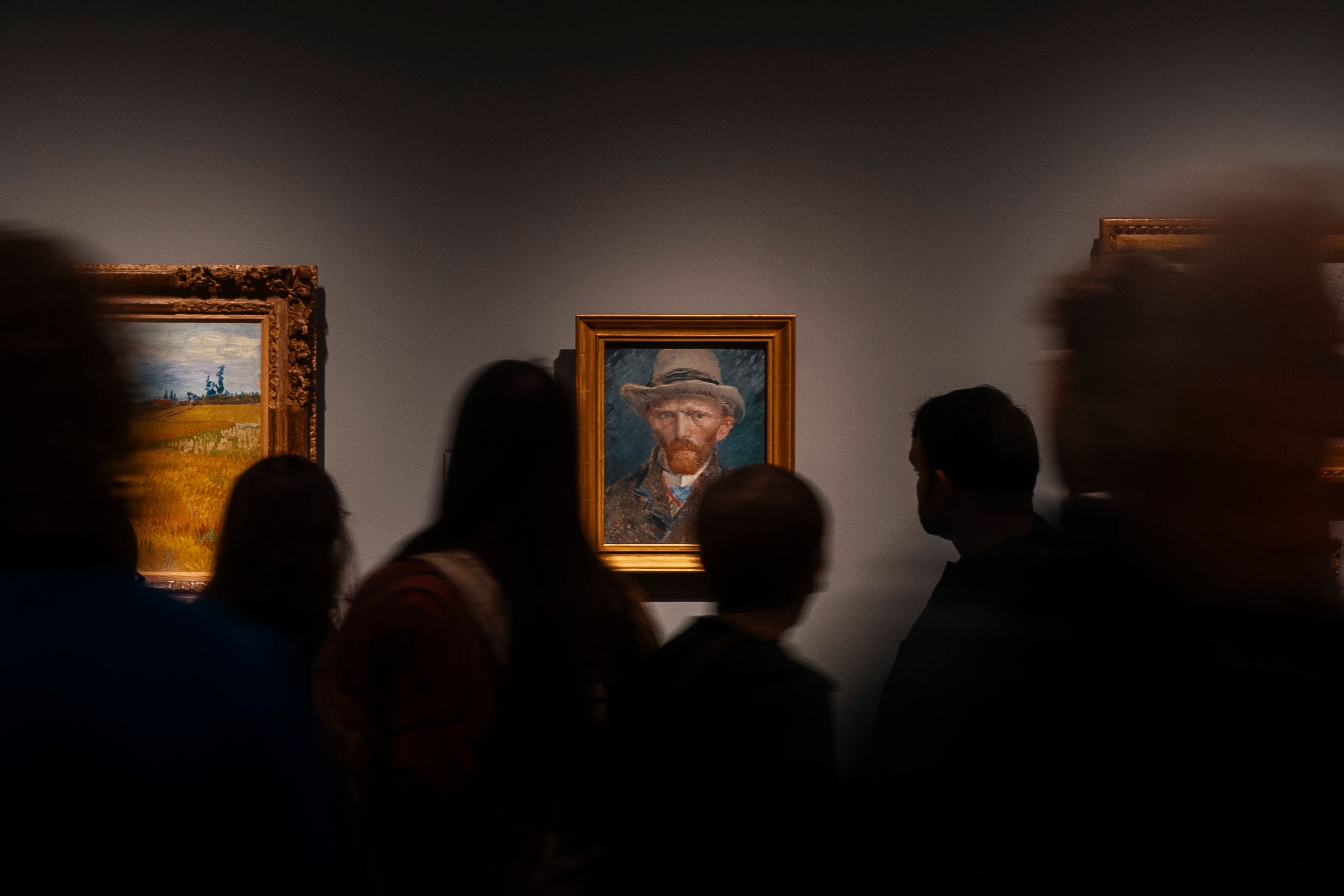
Walking through design stores is rarely about shopping. It is about observation. Feeling materials, noticing proportions, discovering new forms. These small, unplanned encounters often spark ideas that surface much later, when least expected. The curve of a chair, the weight of a fabric, or the grain of wood can trigger concepts for entirely unrelated projects, quietly feeding a designer’s imagination.
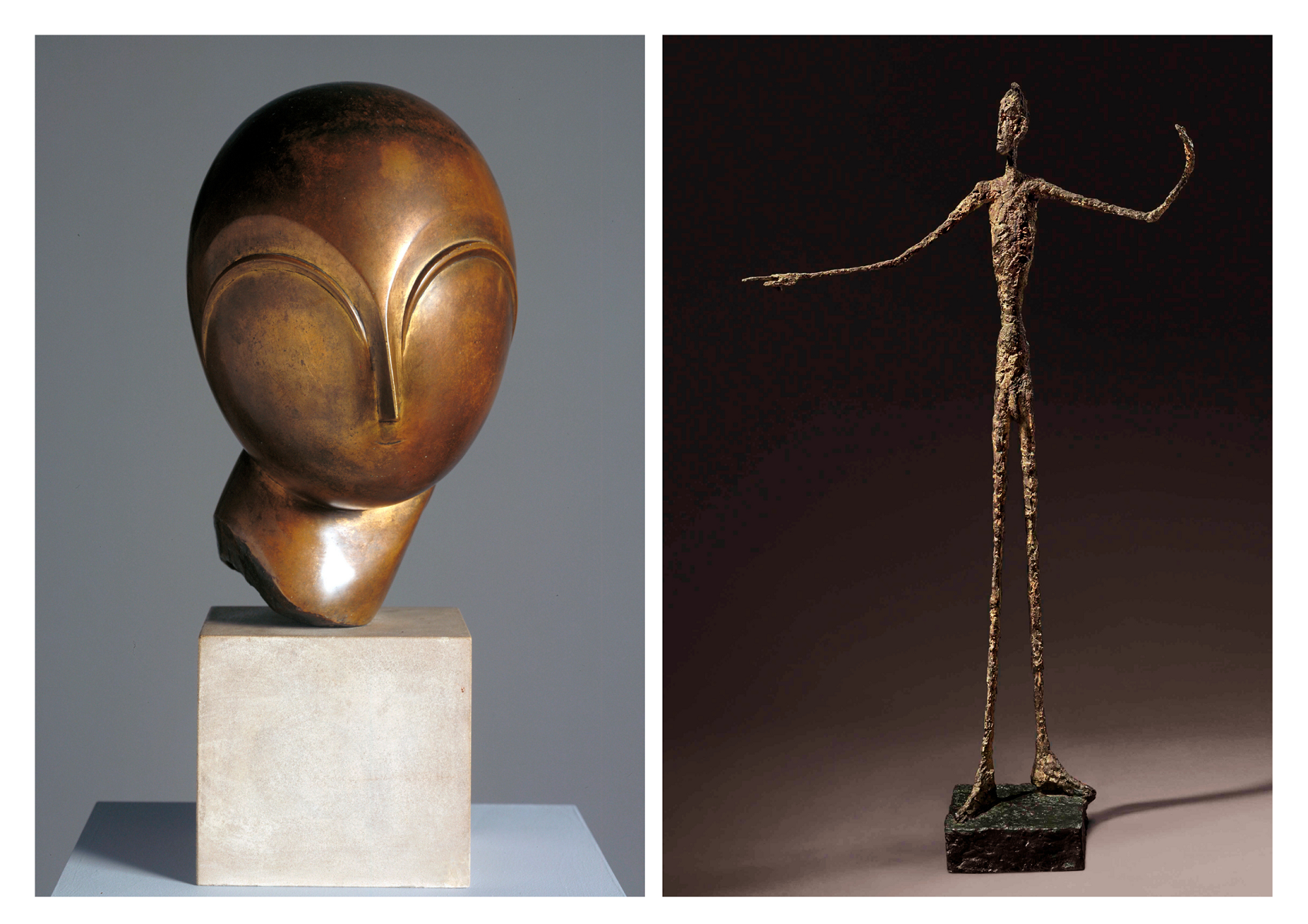
For designers, a moodboard is never just a collage of images. It is a visual language of intuition. Colors, textures, shadows, and references come together to express something that words cannot yet hold. When a moodboard feels right, there is a physical sense of relief, as if the idea has finally found its shape. Sometimes a single texture or photograph can inspire an entire project, quietly shaping the vision long before a client ever sees it.

PH: Berk Ozdemir