
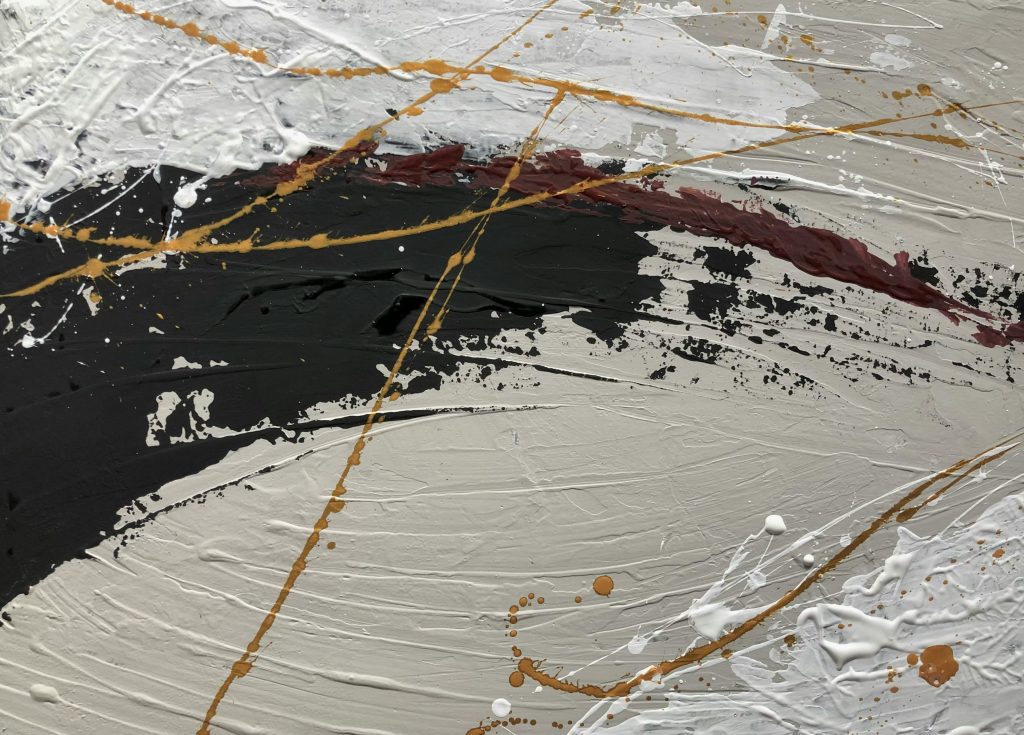
Art therapy is often misunderstood as a soft pastime or a creative distraction. In reality, it is a structured therapeutic practice supported by decades of research and clinical experience. For adults navigating stress, trauma, emotional overload or cognitive changes, art therapy offers something rare. A way to heal without forcing language. A way to process without performing. A way to reconnect without explanation.
Here are ten truths that reveal why art therapy has become a serious tool in modern mental health care.
Engaging in art making has a direct, measurable impact on stress levels. Research shows that just 45 minutes of drawing, painting, or sculpting can significantly reduce cortisol, the hormone associated with stress. This effect occurs regardless of age, artistic skill, or prior experience. The focused engagement shifts the nervous system from tension into a calm, present state, helping adults feel more regulated and centered.
Art therapy has been shown to alter how the brain interprets pain. Adults recovering from surgery, managing chronic conditions, or undergoing cancer treatment report lower perceived discomfort when participating in creative sessions. The act of creating shifts attention away from pain, engages the mind in meaningful activity, and supports emotional coping, while also improving mood and energy levels.
Many adults struggle to convey complex emotions verbally. Trauma, grief, and anxiety often exist beyond language. Art therapy provides an alternative channel for expression. Through colors, textures, shapes, and imagery, internal experiences become external and tangible. This approach allows adults to process feelings safely when traditional conversation may feel overwhelming or insufficient.
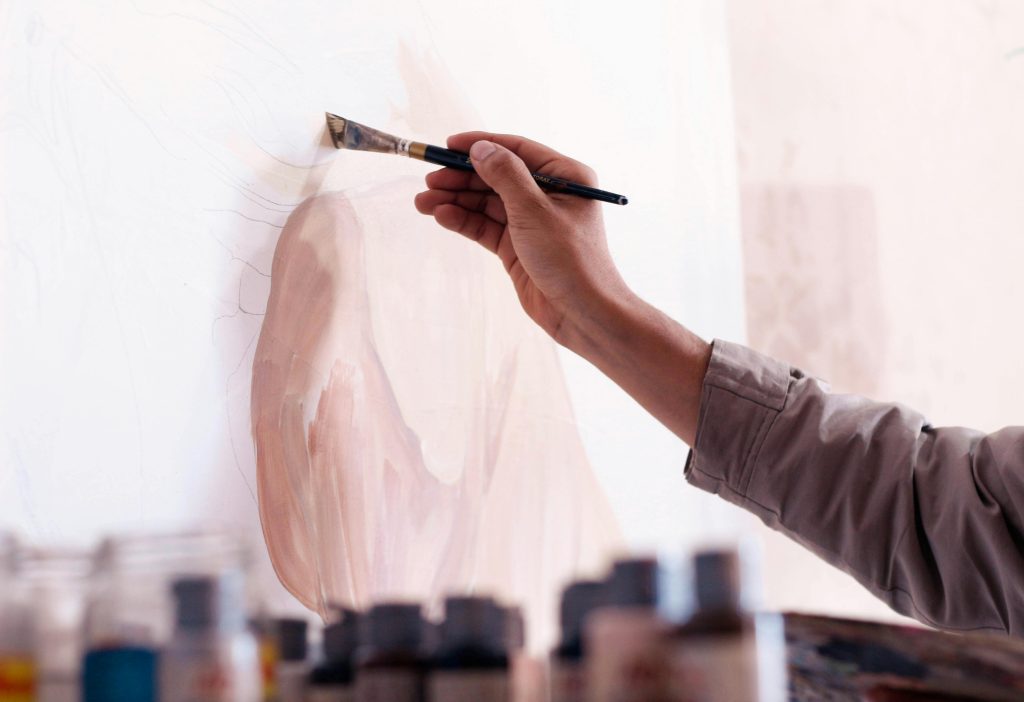
PH: Lean Leta
Art therapy is not about creating aesthetically perfect work. Simple marks, abstract shapes, or unfinished pieces can carry profound meaning. The therapeutic value lies in the process, not the product. Participants are encouraged to explore freely without judgment. This makes art therapy accessible to adults of all backgrounds, abilities, and experiences.
Completing creative work provides insight and reflection. Adults frequently report gaining clarity about emotions and thought patterns by observing them in their art. Regular engagement builds emotional literacy and strengthens self-esteem, helping individuals develop a more compassionate and accurate understanding of themselves. The act of creating and finishing a piece reinforces a sense of personal worth and self-appreciation.
Creative activity engages various areas of the brain simultaneously, including memory, attention, sensory processing, and emotional regulation. Studies suggest that consistent participation in art therapy can improve cognitive functioning and may help slow age-related decline. Adults who regularly make art often experience enhanced focus, memory retention, and overall mental agility.
Verbal therapy alone can be overwhelming for trauma survivors. Art therapy offers a slower, contained way to approach traumatic experiences. Research indicates that incorporating art therapy into broader treatment reduces trauma-related symptoms, supports emotional regulation, and provides a sense of control. Symbolic expression allows difficult experiences to be explored safely without direct verbal confrontation.
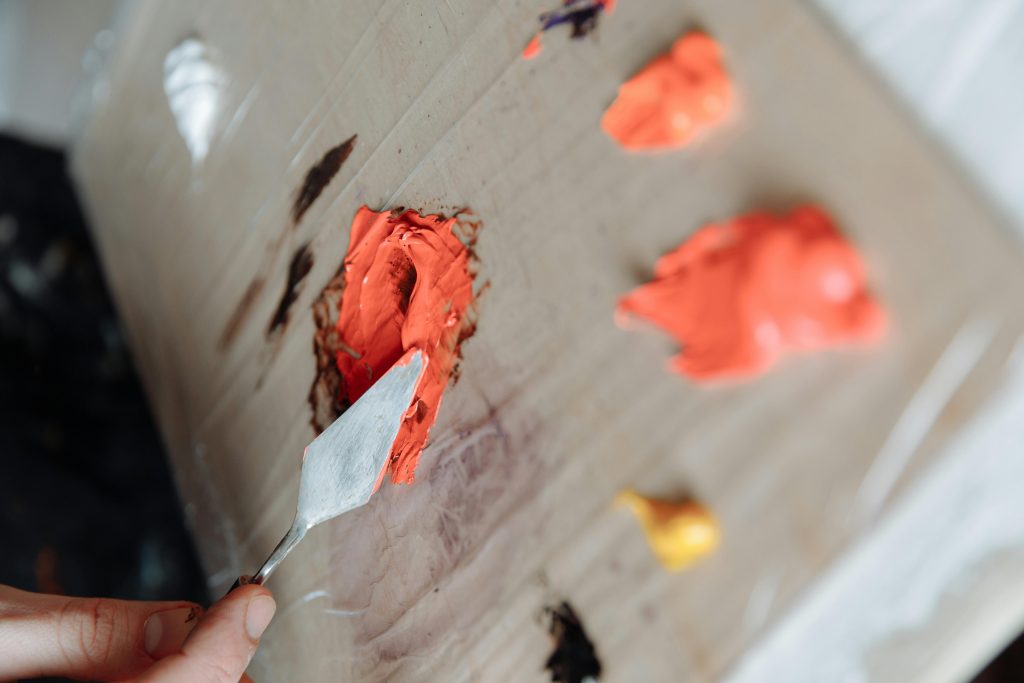
PH: Thirdman
Art therapy is not always solitary. In group settings, participants develop empathy, shared understanding, and a sense of belonging. Participants connect through observing and experiencing each other’s creative processes. Adults report reduced isolation and increased social support in these settings, making group art therapy valuable for both emotional and social wellbeing.
There are no prerequisites for participation. Age, education, background, and artistic experience do not matter. This inclusivity makes art therapy adaptable for healthcare programs, mental health services, and community initiatives. It meets people where they are, providing meaningful opportunities for self-expression and emotional insight.
Art therapy began in the 1940s through the work of Margaret Naumburg, an educator and therapist who recognized that images could express emotions words often cannot. She introduced structured use of artistic expression within psychotherapy, creating a method that gradually became widely recognized and practiced for adults facing complex emotional and psychological challenges.
Today, art therapy can be practiced alone or alongside other therapeutic approaches. Trained art therapists guide adults through creative exercises that promote self-expression, reduce stress, and support both neurological and emotional wellbeing. For those who approach mental health holistically, it provides a safe way to explore feelings, process experiences, and discover new emotional insights. Just give it a try!