
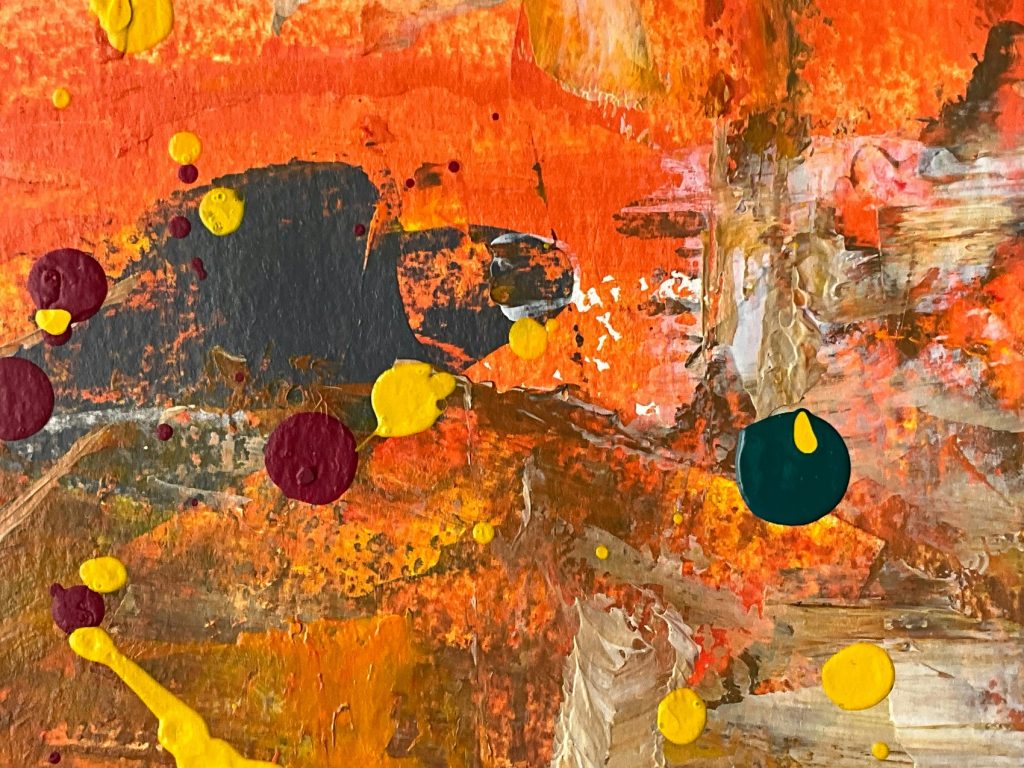
Abstract art changes something fundamental in painting: for a long time, art was expected to resemble reality in order to be understood. A painting had to show something recognizable from the visible world, otherwise it risked being considered incomplete or unclear.
That expectation didn’t disappear suddenly. It faded as artists began to loosen their dependence on imitation and shift attention toward perception itself.
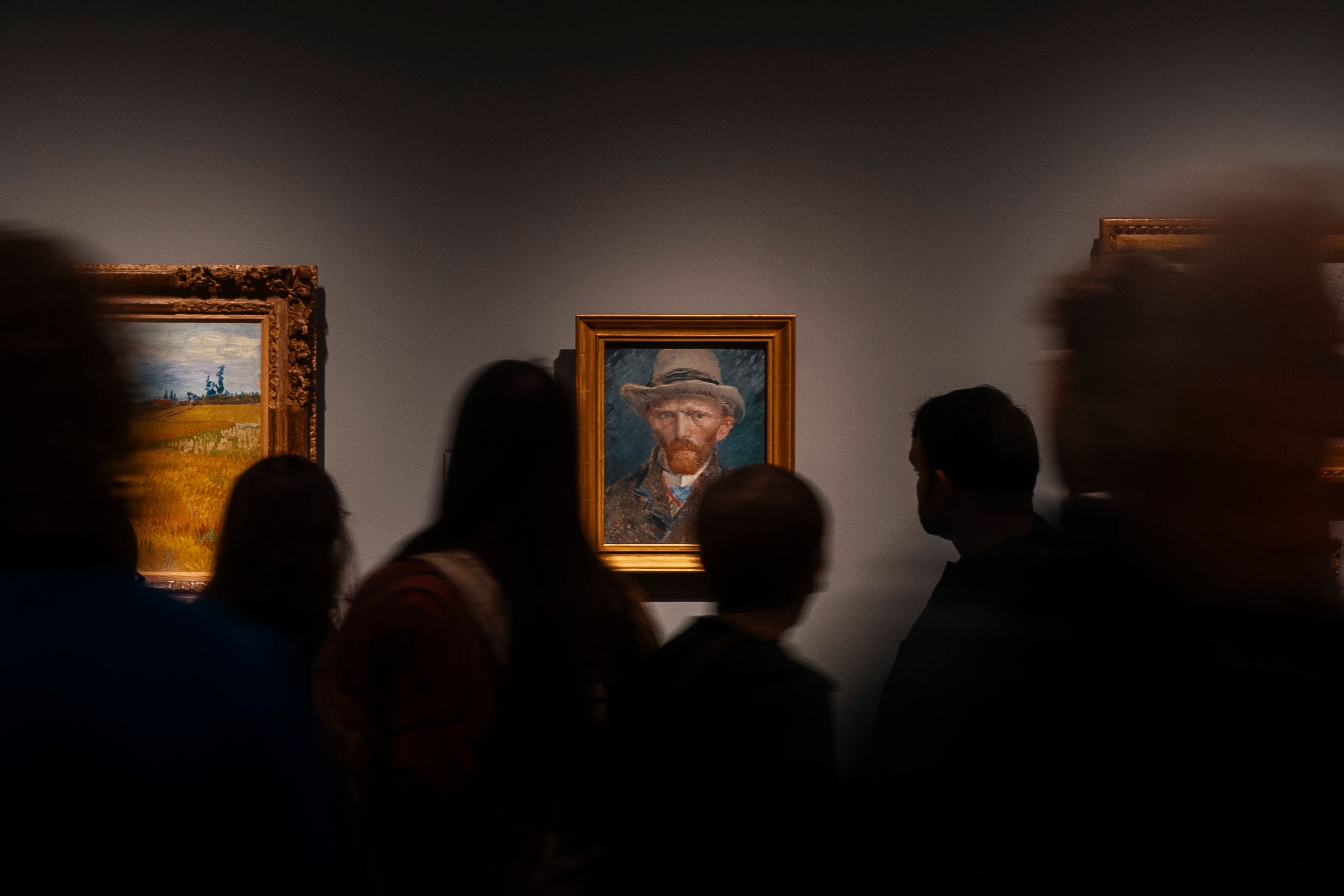
By the end of the 19th century, Post-Impressionism had already started moving away from the idea that art must copy what the eye sees. Instead, it leaned toward how reality is felt and filtered through individual perception.
Fauvism pushed this shift further by treating color as something autonomous. It no longer needed to describe nature; it could carry emotion on its own. Expressionism followed this direction, distorting form until it matched psychological intensity rather than external accuracy.
At this point, painting was no longer just about representation. It was beginning to function as a language of experience rather than a reflection of the visible world.
In the early 20th century, painting starts to detach completely from the need for recognizable subjects. Hilma af Klint is already working in abstract language from 1906, building visual systems that do not depend on physical reference.
A few years later, Wassily Kandinsky removes the object entirely. Color and form stop describing and start existing as meaning in themselves. Painting becomes self-contained, no longer pointing outward.
In 1915, Malevich pushes this break further with Black Square. Nothing is represented. What remains is pure presence without reference.
From this point on, abstraction is no longer an exception. It becomes a condition.
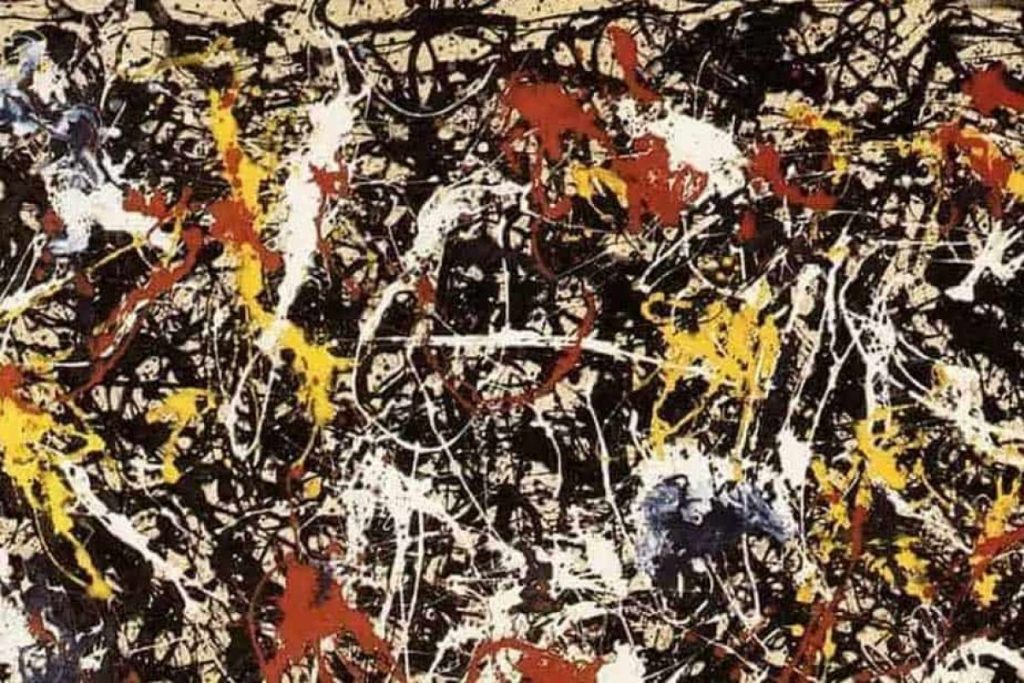
Jackson Pollock
After World War I, abstract art faced a period of reduced visibility as movements like Social Realism and Surrealism gained prominence and shifted attention back toward figurative and symbolic representation.
Its position changed again after World War II, when Abstract Expressionism emerged strongly in the United States. Artists such as Jackson Pollock and Mark Rothko expanded the language of abstraction through gesture, scale, and spontaneity, shifting painting toward process and emotional immediacy rather than depiction.
Throughout the 20th century, abstraction continued to develop and spread across different directions, influencing movements such as Minimalism and Conceptual Art. Gradually, the focus shifted toward the viewer’s role in completing meaning, as interpretation became an essential part of the work itself, leaving us with a lingering question: does abstraction reveal more than it removes?